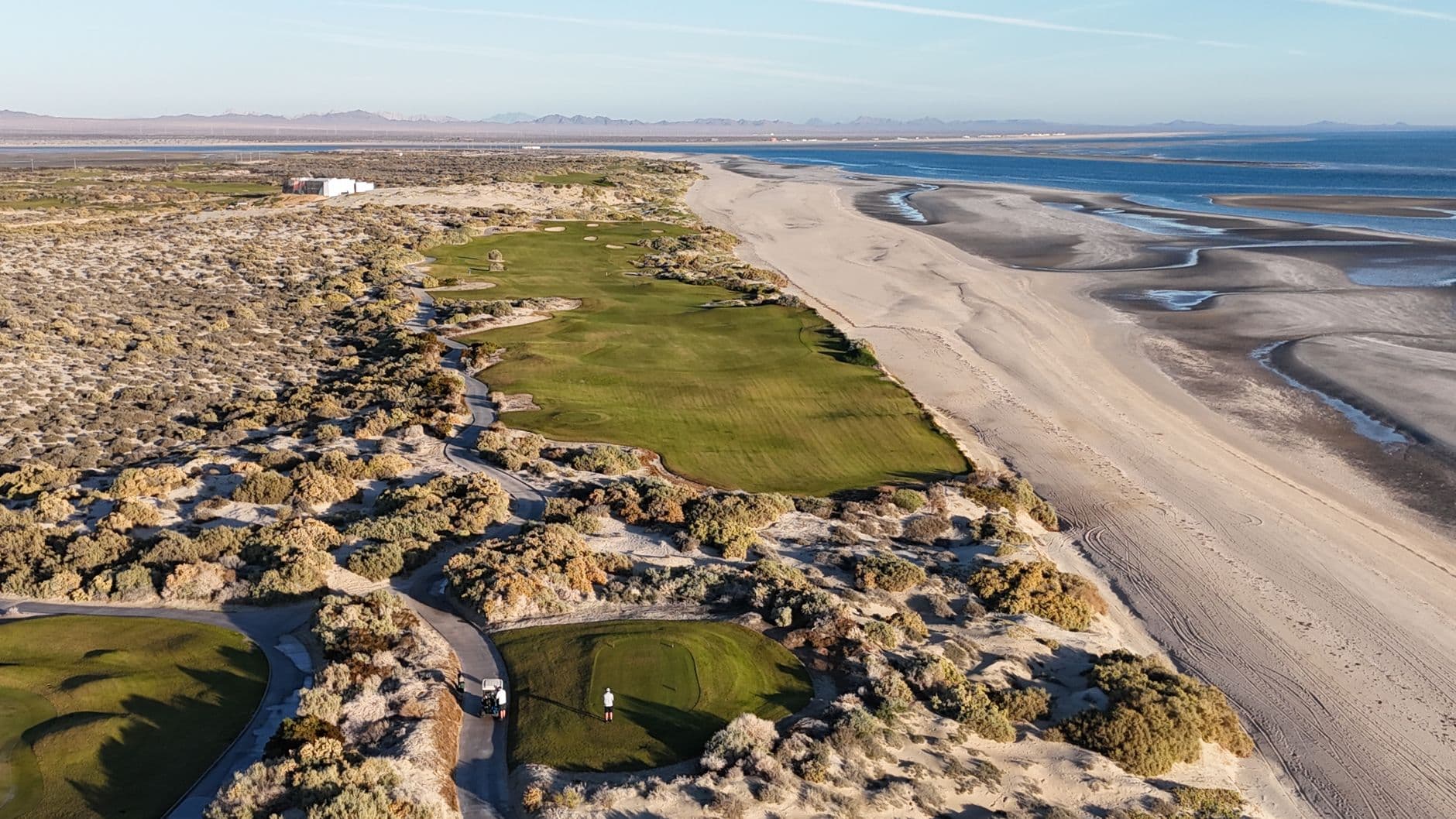
The Presidents Cup has long been criticized as a foregone conclusion, a biennial exhibition where American dominance overshadows genuine competition. Yet as we look ahead to the 2026 edition at Medinah Country Club this fall, there are compelling reasons to believe the International Team is assembling its most formidable roster in the event's history.
Team dynamics in match play golf transcend raw talent. Chemistry, leadership hierarchies, and the delicate balance between veterans and emerging stars determine outcomes far more than world rankings might suggest. Both captains face fascinating puzzles as automatic qualifiers take shape and captain's picks loom on the horizon.
The American Challenge: Managing Abundance
The United States has won the Presidents Cup in dominant fashion across recent editions, but captain's challenges often stem from embarrassment of riches rather than scarcity. Selecting a cohesive twelve from a pool of twenty worthy candidates creates inevitable friction.
What makes American team construction particularly intriguing is the generational shift currently underway. The established guard—players who've anchored multiple Ryder Cup and Presidents Cup teams—must now share the stage with an aggressive young cohort that's been rewriting record books on the PGA Tour.
The partnership dynamics will prove critical. Match play success hinges on complementary pairings: a steady hand alongside an aggressive attacker, a putting wizard paired with a ball-striking machine. American captains have historically struggled to optimize these combinations despite superior individual talent.
International Team: Unity as the Ultimate Weapon
The International Team's greatest historical weakness—a roster spanning multiple continents, time zones, and competitive tours—may finally be transforming into strength. The camaraderie forged through shared underdog status has created genuine bonds that American teams, fractured by LIV Golf departures and PGA Tour hierarchy, may lack.
- Australian and South Korean contingents provide battle-tested cores familiar with team competition
- South American representation continues growing with emerging talent from Chile and Colombia
- The absence of European players (who compete in the Ryder Cup) actually streamlines team identity
- Younger International players have grown up idolizing Presidents Cup heroes rather than viewing it as secondary
The International captain faces different challenges than his American counterpart. Rather than managing egos and distributing playing time among stars, he must instill genuine belief that victory is achievable. The psychological component cannot be overstated—the International Team has won just once in the event's history.
Medinah: A Venue That Rewards Precision
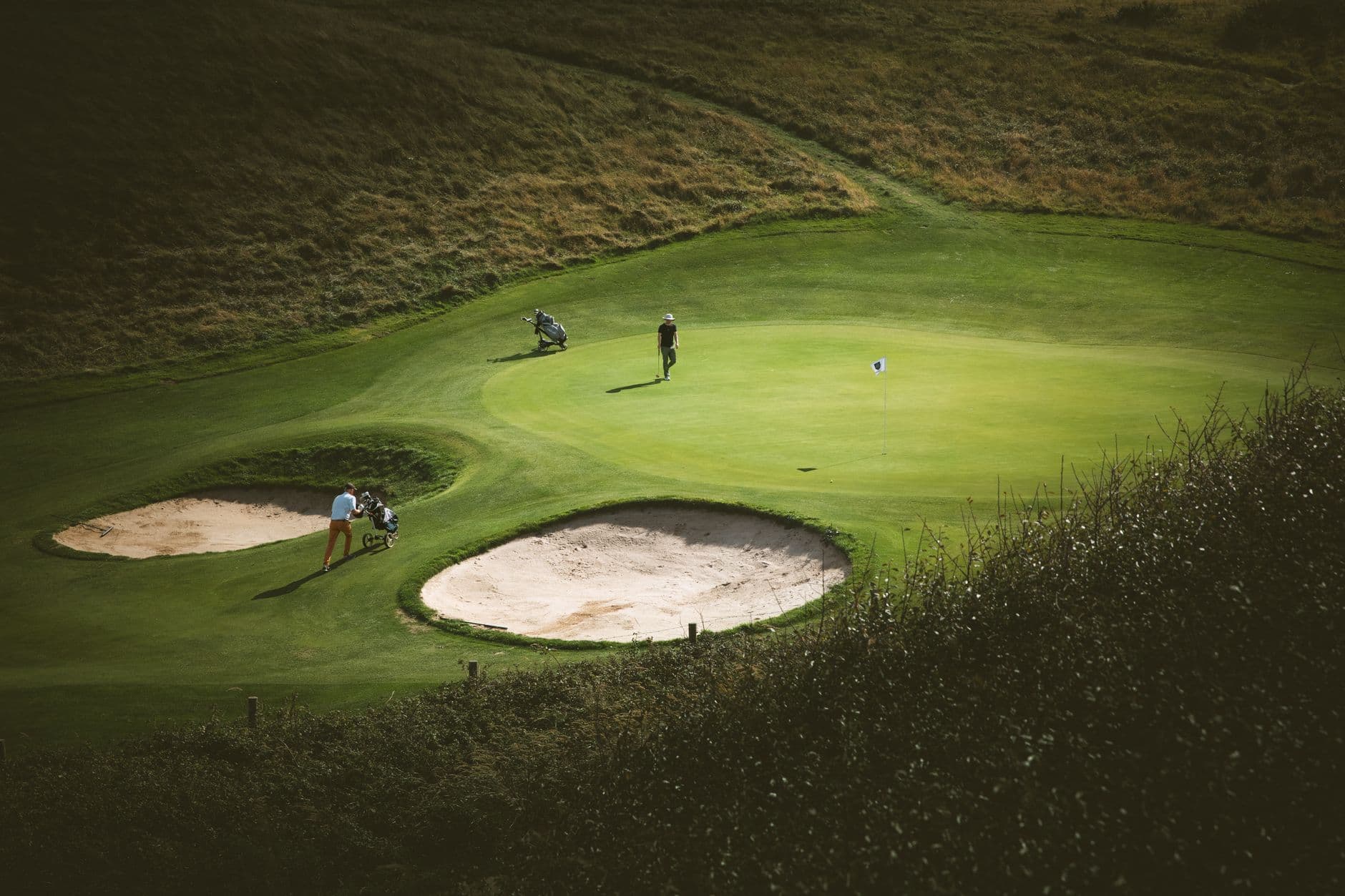
Medinah Country Club's Course No. 3 presents a championship test that should influence team selection philosophies. The historic Illinois venue demands accuracy off the tee and precise iron play into elevated, well-defended greens.
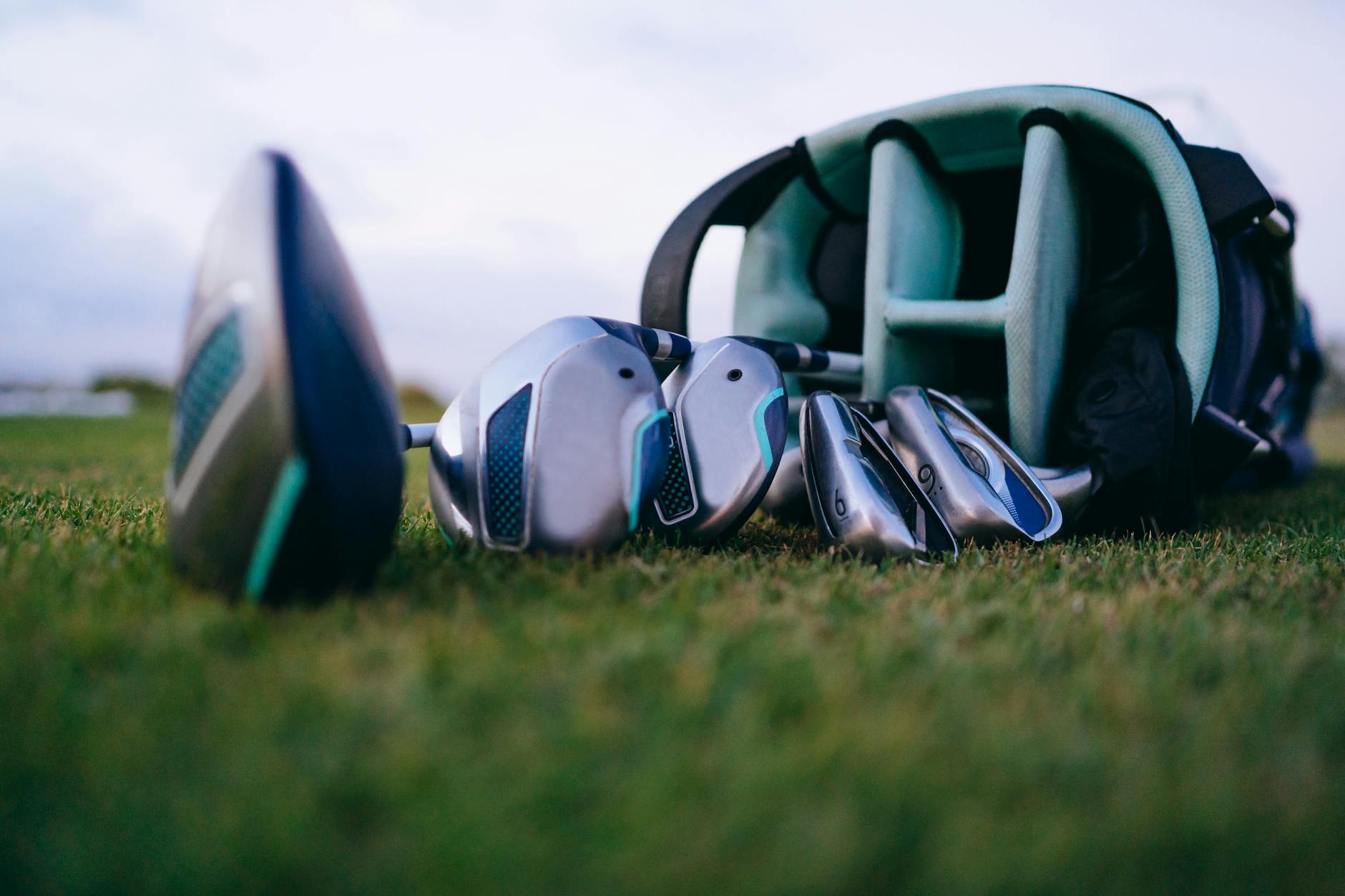
The tree-lined fairways and strategic bunkering punish wayward drives severely. This isn't a venue where bombers can overpower the course—position and precision reign supreme. Both captains would be wise to prioritize players who control trajectory and work the ball both directions.
Putting surfaces at Medinah traditionally run firm and fast, placing a premium on distance control with approach shots. Players who excel at spinning wedges and holding greens from the fairway gain significant advantage over those who rely on scrambling prowess.
Weather Considerations
September in the Chicago area introduces weather variables that coastal courses rarely present. Afternoon winds, potential temperature swings, and the possibility of rain delays all factor into strategic planning. Teams with players experienced in variable conditions—particularly those from the British Isles, Australia, and the American Midwest—may hold subtle edges.
Captain's Pick Philosophy: Different Approaches
The captain's picks represent the most scrutinized decisions in team golf. Philosophy varies dramatically: some captains prioritize current form, others value experience, and still others seek specific skill sets that complement automatic qualifiers.
Match play is about heart as much as handicap. Give me a player who wants to be there over a higher-ranked player going through the motions every single time.
— Veteran Tour Professional
For the American side, the question becomes whether to reward consistency throughout the qualification period or chase hot hands in the weeks preceding the event. History suggests that players peaking at the right moment outperform those riding year-long averages into team competitions.
The International captain may prioritize team chemistry more heavily, selecting players who have demonstrated they elevate teammates rather than merely posting individual results. The locker room dynamic on a team seeking to overcome historical inferiority requires careful cultivation.
Format Strategy: Where Matches Are Won and Lost
Presidents Cup format—foursomes, four-ball, and singles—demands roster versatility. Players must adapt between formats that require fundamentally different skills and temperaments.
- Foursomes (alternate shot) rewards conservative strategy and reliable ball-striking
- Four-ball (best ball) allows aggressive play and rewards hot putting streaks
- Singles exposes individual weaknesses with nowhere to hide
- Session sequencing by captains can swing momentum dramatically
Successful teams identify their foursomes specialists early and protect them from four-ball overexposure. The grueling nature of alternate shot golf—where one poor swing directly impacts your partner—requires mental fortitude that not all elite players possess.
Early Predictions and Storylines to Watch
While official rosters won't finalize until late summer, several storylines warrant attention as the qualification period progresses. The emergence of multiple International players capable of competing at the highest level suggests closer competition than odds-makers might initially project.
The American team's depth advantage remains real but perhaps less decisive than in previous editions. If the International Team can secure early momentum—particularly in the opening foursomes session—the psychological dynamics could shift dramatically from historical patterns.
Ultimately, the 2026 Presidents Cup at Medinah promises intrigue regardless of outcome. The evolution of both team's compositions, the strategic chess match between captains, and the venue's demanding character create conditions for memorable theater. For equipment considerations, players who can control ball flight in variable winds while maintaining distance will find Medinah particularly suited to their games—precisely the conditions where premium ball construction proves most valuable.
Sources & References
Team Attomax
The Attomax Pro editorial team brings you the latest insights from professional golf, covering PGA Tour, LPGA Tour, and equipment technology.