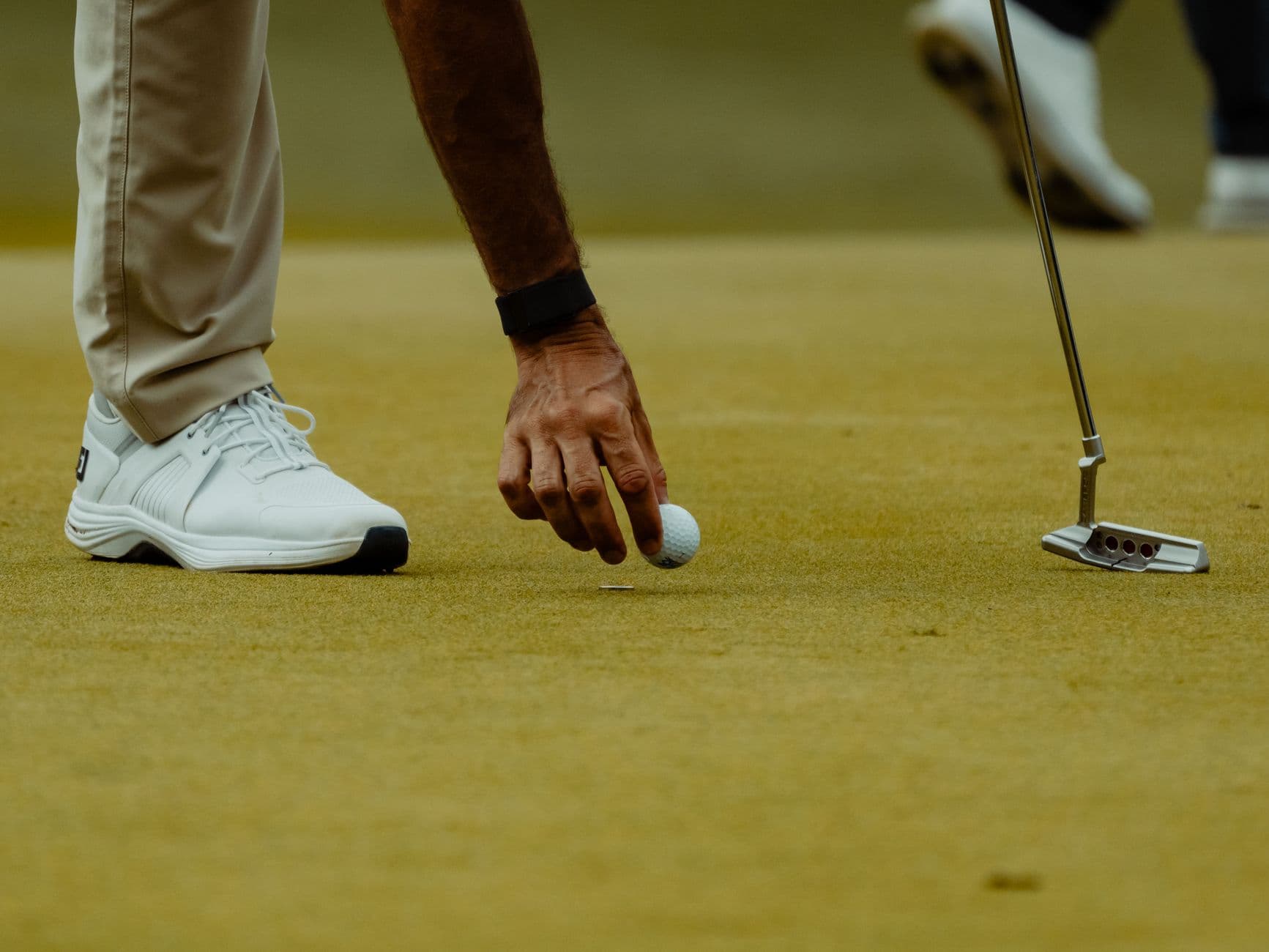
For decades, putting was considered the most intuitive discipline in golf — the domain of feel, instinct, and hard-earned experience. That orthodoxy is being systematically dismantled. PuttView's augmented reality green-reading technology and AimPoint Express, the slope-feel methodology now embedded in tour practice routines worldwide, have converged to create a data-driven putting revolution that is reshaping how elite players prepare, practice, and compete on the highest stages.

The shift isn't cosmetic. Tour caddies who once carried yardage books filled with hand-drawn break lines are now supplementing that knowledge with digitally mapped green data. Coaches who built reputations on eye and intuition are integrating quantitative feedback loops into session design. The question is no longer whether analytics belong on the putting green — it's how deeply they can be embedded before the rules of golf push back.
Understanding why these two systems have gained such traction requires separating what each actually does. They are complementary, not redundant — and the distinction matters for any serious student of the short game.
What PuttView Actually Does
PuttView is an augmented reality training platform that projects a visual overlay — break lines, optimal start lines, and ball-tracking data — directly onto a putting surface in real time. Built on high-precision floor-mapping hardware and proprietary software, it allows a player to stand over a putt and see, visually, the curvature their ball should travel to find the center of the cup. The feedback is immediate, objective, and repeatable.
Crucially, PuttView is a practice tool, not a round-play aid. Players cannot use it during competition. What they gain instead is an accelerated calibration of their internal feel — shortening the feedback loop between what they perceive and what is geometrically accurate. A player who spends three sessions per week with PuttView is essentially compressing years of trial-and-error green reading into a structured, measurable training environment.
Elite practice facilities at several major tour venues and performance centers have installed PuttView systems, and it has become increasingly common to see players logging pre-tournament sessions on these rigs before heading to the competitive green. The technology has found particular traction among players who are statistically strong ball-strikers but leak strokes on the greens — a profile that describes a surprising percentage of mid-tier tour professionals.
AimPoint: The Methodology That Changed Green Reading
Where PuttView is hardware-driven, AimPoint Express is a physical skill — a green-reading methodology developed by Mark Sweeney that teaches players to use their feet to measure slope and then apply a standardized finger-aiming system to determine the correct break. It requires no technology during play, making it fully legal under the rules of golf and deployable in any competitive setting.
The system gained widespread visibility when multiple top-tier players began visibly using the foot-feel stance and raised-finger aiming gesture during televised rounds. Skeptics initially dismissed it as visual theater. The performance data that emerged from adopters told a different story. Players who had committed to AimPoint training reported measurable improvements in their start-line consistency and their ability to correctly identify the apex of breaking putts on severely contoured greens.
- AimPoint quantifies slope as a percentage grade felt through the feet, removing subjective visual guesswork
- The finger-aiming system provides a standardized, repeatable reference for aim point selection above the hole
- It is particularly effective on multi-tiered greens and putts with significant elevation change
- Players report its greatest advantage on putts in the 10-to-25-foot range, where misread-induced misses are most costly
- AimPoint certification courses are now available globally and have been attended by both tour players and elite amateurs
Where the Two Systems Intersect
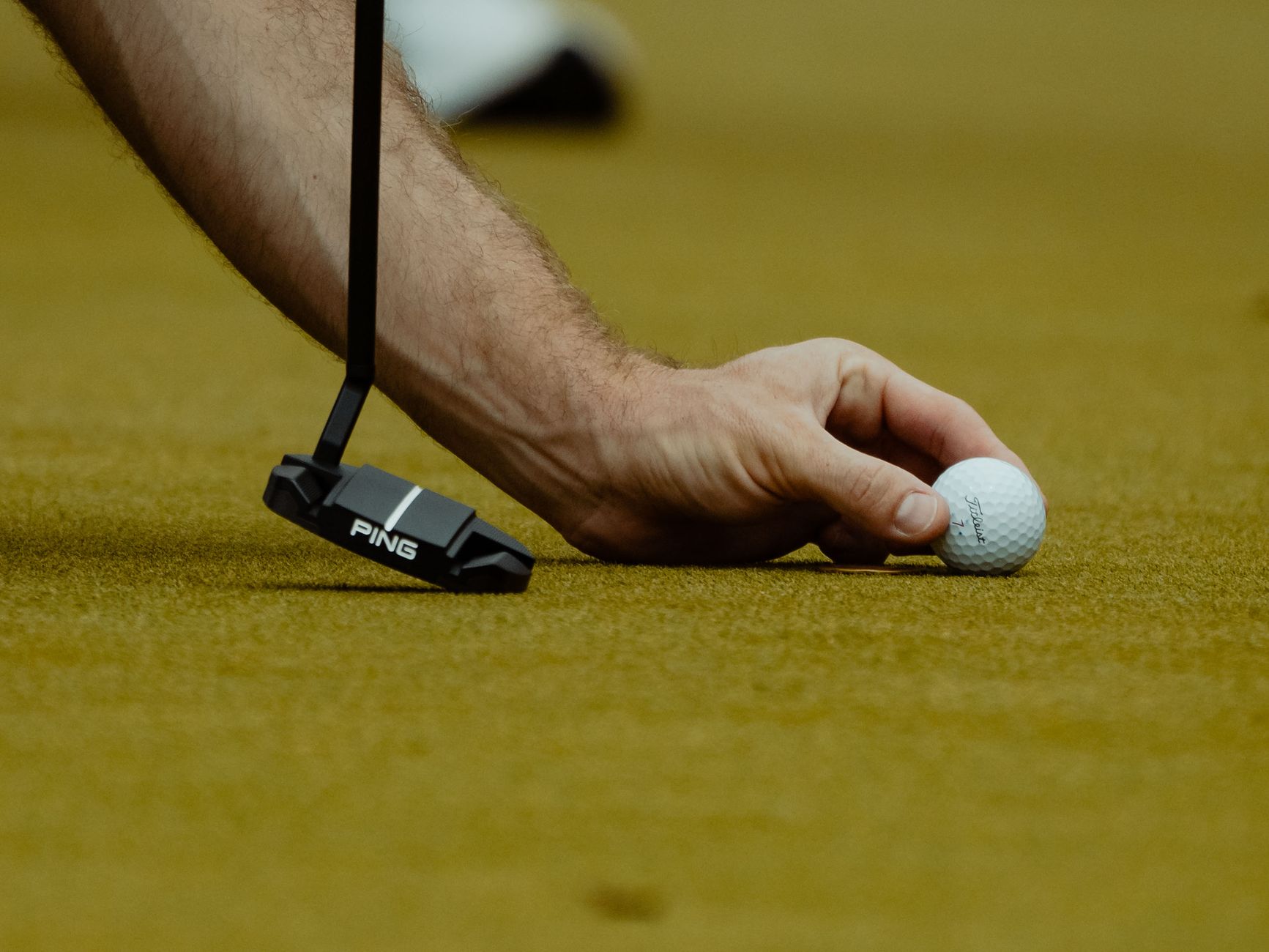
The most sophisticated practitioners are not choosing between PuttView and AimPoint — they are using them in sequence. PuttView serves as the calibration environment: a player trains their foot sensitivity and break perception against a ground-truth AR overlay, refining the physical skill that AimPoint Express depends on. When they step onto a competition green, they bring a more precisely calibrated sensory system to the AimPoint read.
This integrated approach addresses one of the persistent criticisms of AimPoint in isolation — that foot-feel sensitivity varies significantly between players and can be unreliable on surfaces with subtle, compound breaks. PuttView's objective feedback loop helps players understand and correct their personal perceptual biases, making the AimPoint read more reliable when it counts.
The best green readers I know aren't guessing anymore. They have a system, they have practiced against objective data, and they trust the read because the read has been verified thousands of times in training.
— Senior PGA Tour Putting Coach (via Golf Digest)
The Equipment Side of the Equation
Analytics-driven putting doesn't operate in isolation from equipment. A precisely calculated read executed with a ball that produces inconsistent roll characteristics undermines the entire exercise. This is where ball compression and surface interaction become non-trivial variables — particularly on fast, firm greens where the initial skid phase before true roll onset is pronounced.
Players working within a data-informed practice framework tend to be increasingly deliberate about ball selection. The Attomax High-Density ball range — engineered with amorphous metal core technology — is designed to minimize the energy dispersion that causes inconsistent roll onset, which matters considerably when a player is trusting a precisely calculated start line. A ball that behaves predictably off the face closes the loop that PuttView and AimPoint open.
Limits, Pushback, and What's Next
Not everyone in professional golf has embraced the analytics turn on the greens without reservation. A vocal contingent of players and coaches argue that over-reliance on systematic methodologies can erode the intuitive adaptability that distinguishes elite putters on unfamiliar surfaces. Greens that have been aerated, grain-heavy Bermuda surfaces, or rain-softened links turf all present conditions where a rigid system can mislead a player whose feel has been partially outsourced to process.
The USGA and R&A have also kept a watchful eye on where green-reading technology intersects with competition rules. Digital green books that go beyond basic contour representation have faced restrictions, signaling that governing bodies remain committed to preserving a degree of skill-based uncertainty in green reading. PuttView, as a practice-only tool, sits comfortably within current regulations, but the broader trajectory of on-course analytics will continue to provoke regulatory debate.
Looking ahead, the integration of LiDAR-mapped green data into caddie books, AI-assisted pace modeling, and real-time stimp-adjusted break calculators are all being explored at various levels of tour golf. The putting green, long considered golf's most human domain, is becoming one of its most technologically instrumented. Whether that ultimately produces better golf — or simply different golf — is a conversation the tour is very much still having.
Putting will always require execution under pressure. What analytics change is how precisely calibrated your perception is before the pressure arrives.
— AimPoint Express Certified Instructor
For the serious competitor tracking strokes gained: putting as a performance metric, the revolution is already here. The players winning the analytics arms race on the greens are not the ones with the most data — they are the ones who have most effectively converted that data into internalized skill. That is a distinction worth understanding before dismissing the finger gesture you see on the 12th green Sunday afternoon.
Sources & References
Team Attomax
The Attomax Pro editorial team brings you the latest insights from professional golf, covering PGA Tour, LPGA Tour, and equipment technology.