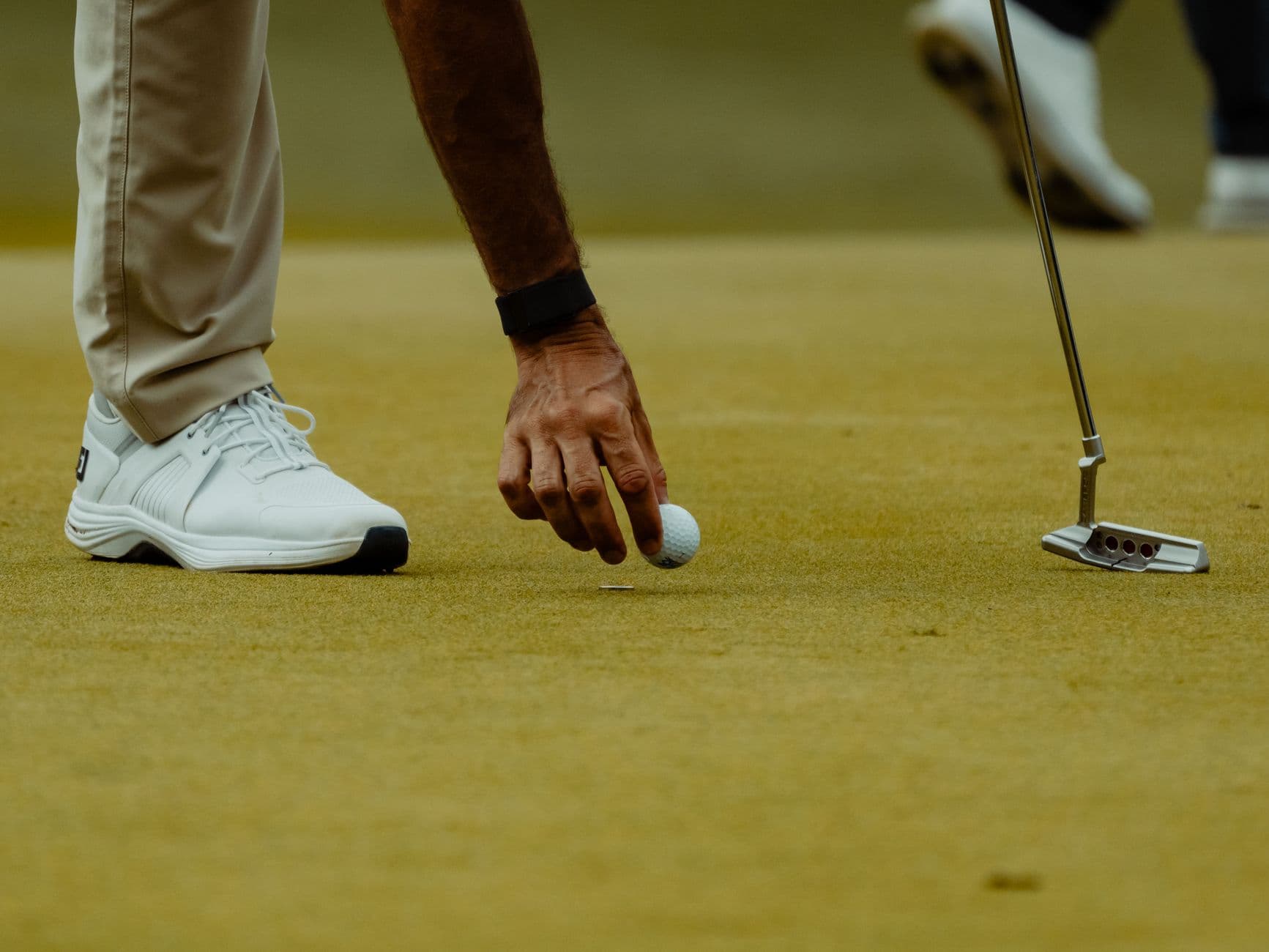
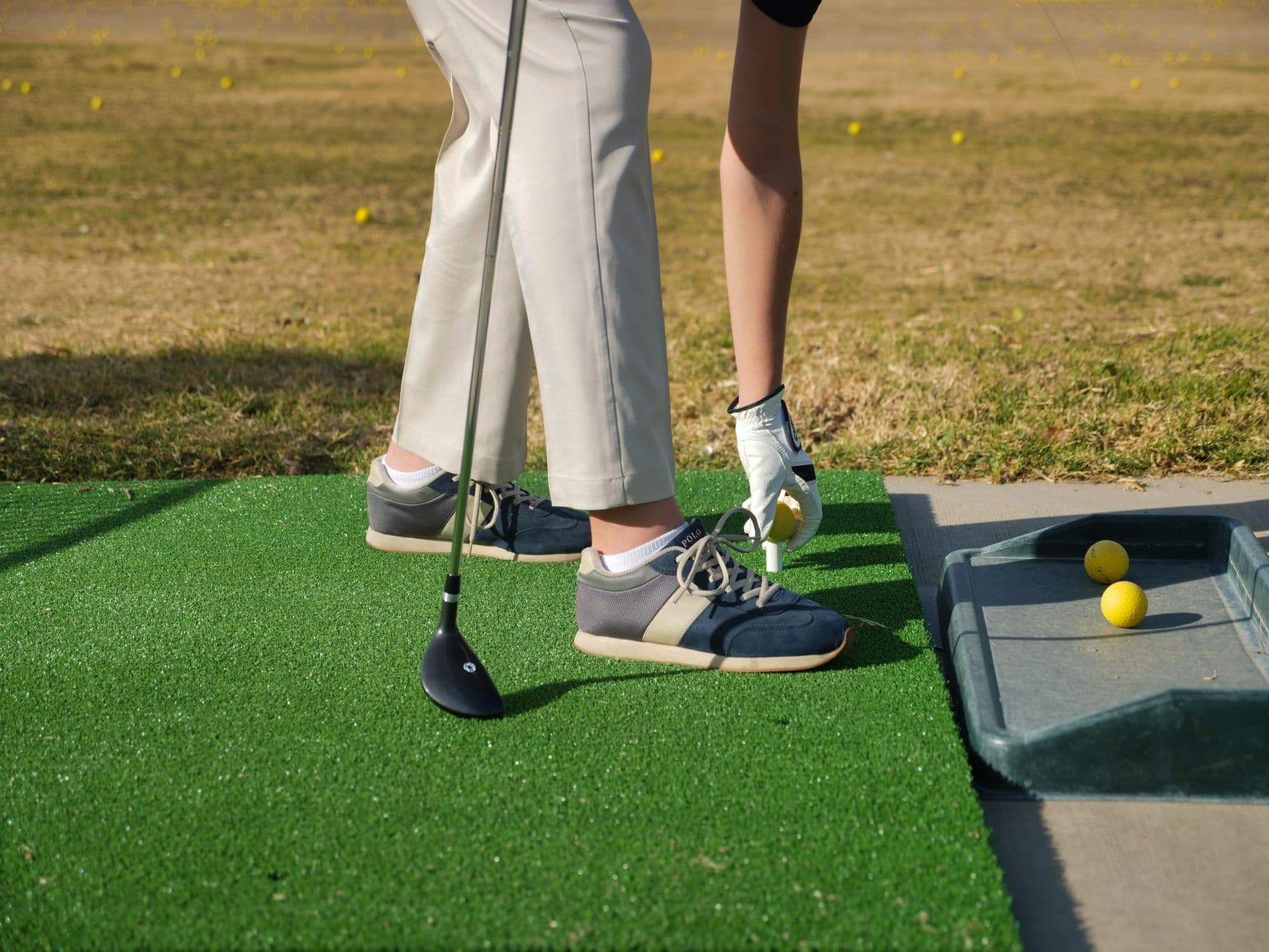
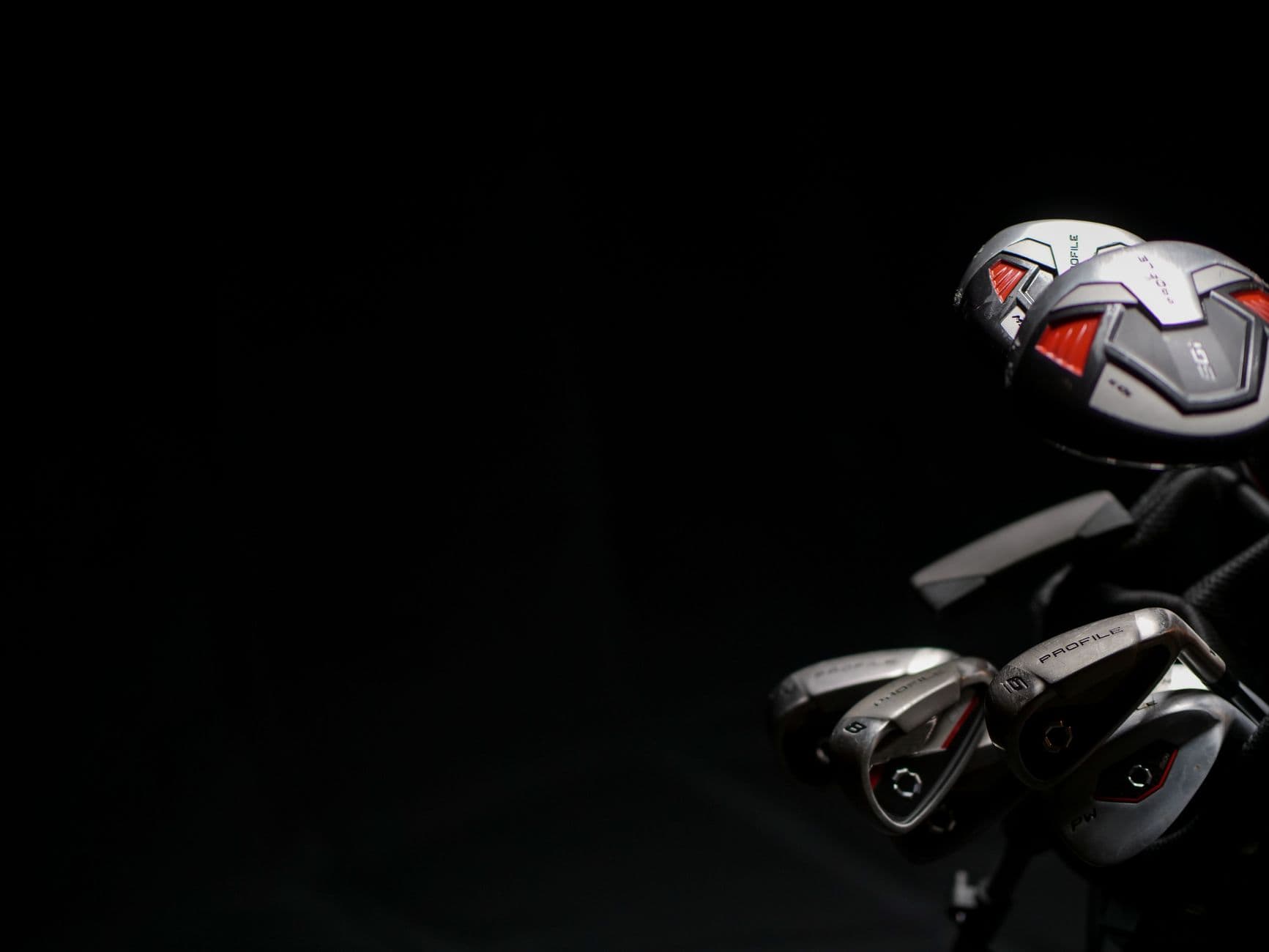
Golf instruction has always been part art, part science. But in 2026, the balance has shifted decisively toward the scientific. Across PGA Tour practice facilities, LPGA development academies, and high-performance club fittings worldwide, artificial intelligence and data analytics have moved from novelty to necessity — fundamentally changing what it means to coach, and to be coached.

The transformation is not merely cosmetic. AI-powered platforms are now capable of analyzing thousands of data points per swing — club path, face angle at impact, attack angle, shaft load, ground reaction forces — and cross-referencing them against biomechanical models built from the swings of tour-caliber professionals. What once took a seasoned instructor years of intuition to diagnose can now be flagged, quantified, and corrected in a single session.
For serious golfers — those who already understand why their smash factor matters and who track GIR percentages across different course conditions — this data revolution is not a threat to their relationship with a coach. It is, rather, an extraordinarily powerful amplifier of it.
From Intuition to Instrumentation
Traditional golf instruction relied heavily on the trained eye of the coach — a skill that remains invaluable and irreplaceable. But even the sharpest human eye has limitations. It cannot, for example, reliably detect a three-millisecond lag in wrist release, or measure the precise rate at which a shaft oscillates through the downswing. Modern launch monitors, 3D motion capture systems, and pressure plate technology can. And now, AI layers on top of all of it.
Platforms using machine learning are being trained on vast libraries of swing data — not just from elite professionals, but from amateur golfers across all handicap bands. This means the system can recognize patterns that correlate with specific ball-flight tendencies, injury risk, and performance plateaus with a degree of precision that no single instructor, however gifted, could replicate alone.
The Technology Stack Driving Change
The coaching technology ecosystem has matured significantly. Launch monitors have become standard infrastructure at high-performance facilities, delivering ball speed, spin axis, and carry data in real time. 3D biomechanical capture systems track skeletal movement across the entire kinetic chain, from foot pressure through hip rotation to hand path. High-speed cameras operating at hundreds of frames per second provide visual confirmation of what the numbers suggest.
The AI layer synthesizes all of this simultaneously. Rather than an instructor manually comparing a student's data against a benchmark, machine learning algorithms do that comparison instantly — and can surface correlations a human might never notice. A slightly altered pressure shift in the trail foot during the transition, for instance, might be identified as the root cause of a persistent block that a student has been battling for months.
- Launch monitor data: Ball speed, spin rate, attack angle, smash factor, and carry distance measured per shot
- 3D motion capture: Full skeletal tracking across the kinetic chain, from ground contact through follow-through
- Pressure plate analysis: Force distribution through the feet during the swing, revealing balance and sequencing tendencies
- AI pattern recognition: Cross-referencing individual swing data against large-scale performance libraries to identify root causes of ball-flight issues
- Video overlay: High-speed footage synchronized with data streams for visual and numerical alignment during coaching sessions

What This Means for Course Management
The influence of data analytics extends beyond the practice tee and directly onto the golf course. Strokes Gained analytics — originally developed as a tool for tour-level performance analysis — have now permeated instruction at the mid-to-low handicap level. Coaches are using Strokes Gained: Approach, Strokes Gained: Off-the-Tee, and Strokes Gained: Around-the-Green data to build genuinely personalized practice plans rather than generic prescriptions.
This is where AI-driven coaching becomes genuinely transformative for the serious amateur. If your data shows that you are leaking strokes on approach shots from 150-175 yards but outperforming your handicap from inside 100, a good AI-assisted coach will restructure your practice accordingly — not because it feels right, but because the numbers demand it. The subjectivity of 'work on your irons' becomes the precision of 'your 7-iron attack angle is two degrees too shallow, costing you spin and stopping power on firm greens.'
Ball Selection in the Data Era
One area where AI-assisted coaching is producing particularly practical insights is ball fitting. Swing data — specifically clubhead speed, attack angle, and spin loft — can now be used to prescribe ball compression with a level of precision that goes well beyond the old rule of thumb. Players with higher swing speeds and shallower attack angles, for example, are generating data profiles that consistently point toward firmer compression constructions for optimal distance and workability.
Attomax's High-Density amorphous metal golf ball line — available in Soft, Medium, and Hard compressions — is engineered precisely for this kind of data-informed fitting process. Rather than selecting a ball based on feel alone, players working with AI-driven coaching platforms can now identify which compression profile aligns with their measured smash factor and spin rate to maximize performance on approach shots and around the greens. The data doesn't replace the feel test, but it frames it with genuine objectivity.
The Human Element: What AI Cannot Replace
It would be reductive to suggest that AI is rendering the human coach obsolete. The most effective use of these tools, as demonstrated by elite performance coaches working with tour professionals, is as a dialogue between human expertise and machine precision. A coach interprets the data through the lens of a player's competitive psychology, physical limitations, and strategic tendencies. The algorithm identifies the what; the coach determines the how and the when.
Data tells you where the problem is. Experience tells you how to fix it without breaking three other things in the process.
— Common refrain among performance coaches working at the tour level
Mental resilience, pre-shot routine, the ability to execute under pressure on a Sunday afternoon — these remain deeply human competencies that no AI platform has yet meaningfully quantified, let alone coached. The data revolution enhances the technical foundation of a player's game; what a player does with that foundation under competitive pressure is still very much a matter of grit, experience, and mental architecture.
The Road Ahead
As AI coaching technology becomes more accessible — moving from tour facilities and elite academies into high-end public instruction programs and even consumer-facing apps — the gap between data-informed golfers and those relying solely on traditional instruction is likely to widen. For serious players already invested in understanding the technical dimensions of their game, engaging with these platforms now represents a genuine competitive advantage.
The most sophisticated golfers of the next decade will be those who treat data not as a replacement for feel and instinct, but as a rigorous foundation upon which feel and instinct are built. The numbers clarify. The player, guided by a skilled coach, ultimately executes. That partnership — between human judgment, machine precision, and equipment engineered to match the data profile — is where modern golf performance is being won and lost.
Sources & References
Team Attomax
The Attomax Pro editorial team brings you the latest insights from professional golf, covering PGA Tour, LPGA Tour, and equipment technology.