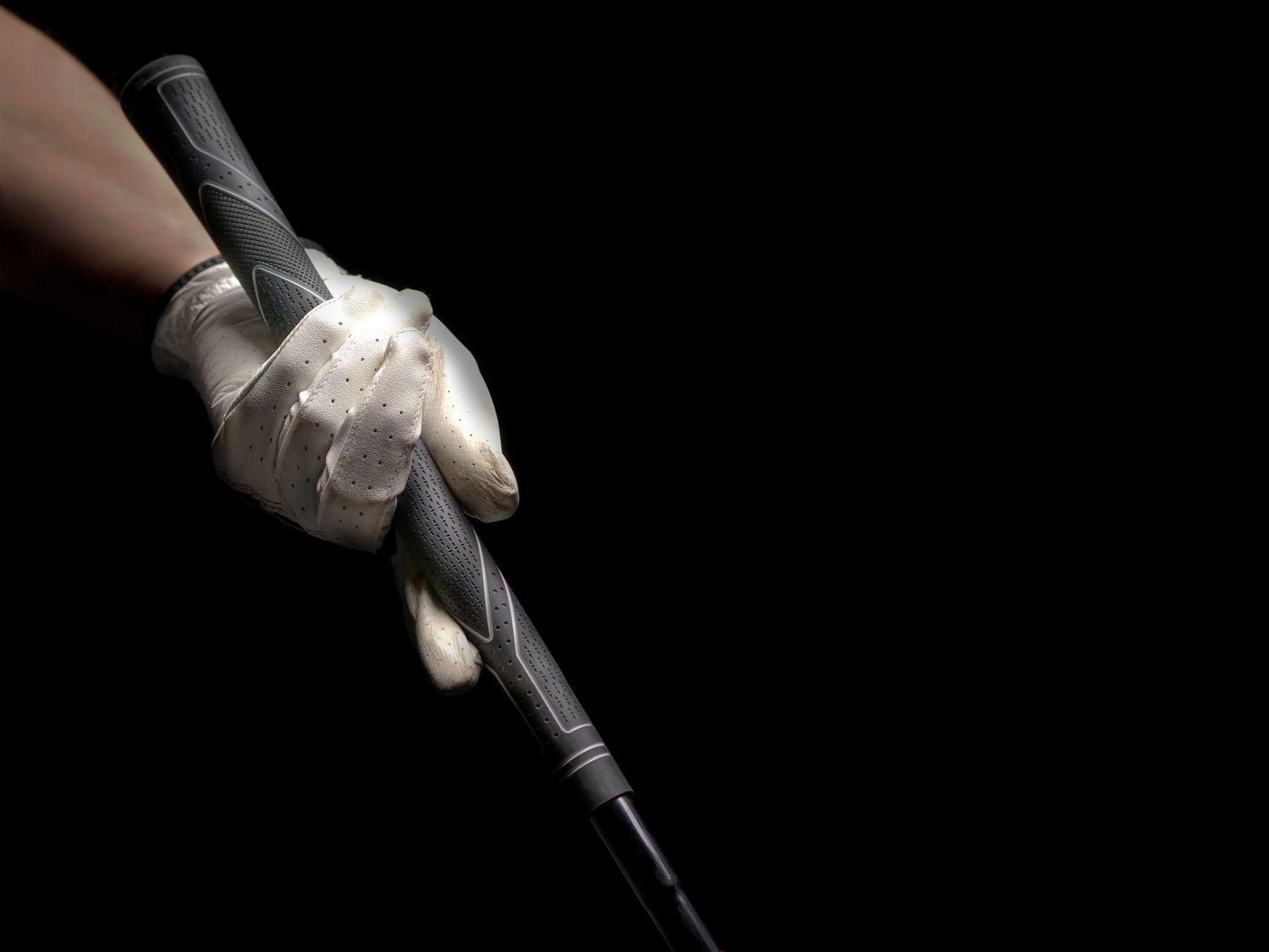
Every golfer eventually faces the same question staring back at them from the garage: is this driver actually broken, or is it just wearing the wrong shaft? The instinct is often to replace the whole club, but in a surprising number of cases, the head is fine and the shaft is the single variable sabotaging performance.
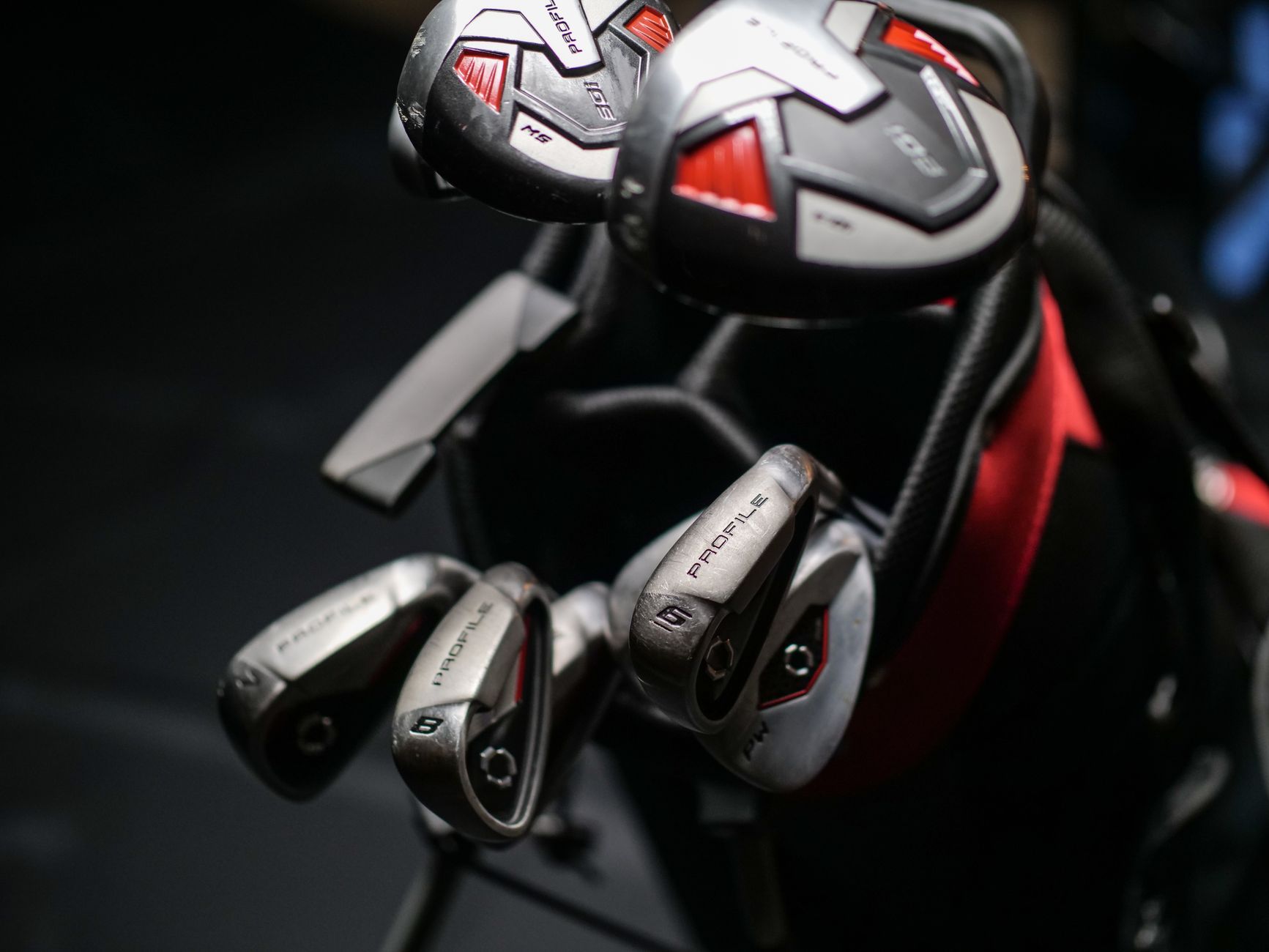
Re-shafting is one of the most underused levers in equipment optimization. It's cheaper than a new club, it preserves a head you may already trust, and when done correctly, it can transform dispersion, spin, and feel without touching the one component — the clubhead's face and CG design — that actually determines ball speed potential.
The Case for Re-Shafting
A clubhead rarely goes bad on its own. Face technology, CG placement, and loft/lie specs don't degrade with age the way a shaft's bend profile and torque characteristics can start to feel mismatched to a swing that has evolved. If your swing speed, tempo, or transition has changed over a season or two, the shaft is almost always the first thing to investigate before the head takes the blame.
This is especially true for golfers who bought equipment off the rack years ago with a generic stock shaft. Stock options are built for a broad average, not your specific loading pattern or release timing, and a mismatch here is the single most common fault we see, which is why the free ATOM AI fitting tool starts with tempo rather than raw speed.
Signs a Re-Shaft Will Solve the Problem
There are a handful of diagnostic signals that point clearly toward a shaft issue rather than a head issue. If you recognize two or more of these, re-shafting should be your first move before you spend money on a new club entirely.
- Inconsistent ball flight shape (hooks one round, blocks the next) despite stable contact quality on the face
- A shaft that feels noticeably softer or 'whippy' through impact compared to when the club was new
- Spin numbers that have crept upward or downward over time without a change in attack angle
- A swing speed increase or decrease of 5+ mph since the club was originally built or purchased
- Visible cosmetic wear, a dinged ferrule, or a shaft that simply feels dead compared to newer technology
That last point matters more than golfers often realize. Shaft materials science has moved forward substantially even in the last few seasons. A shaft built from amorphous metal, or metallic glass, alloy wire can store and release energy with a super-elastic response that older steel or basic graphite constructions simply can't replicate, and pairing that with a proven head from your bag can feel like an entirely new club for a fraction of the cost.

When the Head Needs to Go, Not the Shaft
Re-shafting isn't always the answer. If your issue is low ball speed on center strikes, a face that has lost its trampoline effect through repeated impact over years of play, or a loft/lie configuration that no longer matches your attack angle, no shaft swap will fix that. Those are structural, material-level limitations of the head itself.
Driver faces in particular are subject to COR degradation over thousands of impacts, and once a face has fatigued, even the best shaft in the world is being asked to deliver energy into a head that can no longer return it efficiently. Irons and wedges are more forgiving here; a well-maintained iron head can outlast two or three shaft generations without issue, which is exactly why re-shafting irons tends to deliver the best return on investment of any equipment upgrade.
The Economics of Re-Shafting
Cost is where re-shafting makes its strongest case. A full driver replacement means paying for a new face, new adjustable hosel, new sole weighting, and new shaft all at once, even if only one of those components is actually underperforming. A re-shaft isolates the variable and the expense, and it allows a golfer to try a genuinely different flex or bend profile, like moving from an R to an SR, or testing a lower-torque X flex, without betting on an entirely new head.
This is also where grips deserve a mention, because they're frequently ignored in this same conversation. A worn grip changes grip pressure unconsciously, which changes release timing, which can mimic a shaft problem that doesn't actually exist. Before committing to a re-shaft, it's worth confirming the current grip compound and size are still giving you the tackiness and feedback they did when the club was new.
Getting the Build Specs Right
The value of a re-shaft collapses quickly if the install isn't dialed in. Tip trimming, butt trimming, swing weight, and final playing length all interact, and a shaft that's correct on paper can play completely differently depending on how it's tipped into the head. This is precisely the kind of detail covered in the ATOM spec sheet and install notes, which outline torque, kick point, and tipping guidance for each flex so a re-shaft doesn't introduce a new set of problems while solving the old one.
Material choice matters just as much as flex. A shaft built around UHM 65T carbon or TORAYCA carbon fibre in the tip section behaves very differently under load than a standard graphite layup, and NANOALLOY resin systems are increasingly used to control the way energy transfers through the mid-section without adding unwanted torque. These aren't marketing terms for their own sake; they describe real differences in how a shaft loads and releases through the impact zone, and they're explained in more depth in the materials and engineering breakdown worth reading before any re-shaft decision.
The clubhead gets you in the fairway; the shaft decides how consistently you get there.
— Common fitter observation
For golfers working with a local professional, the smartest path is a launch-monitor session that isolates shaft variables against a known head, which is exactly the service offered through authorized fitting partners who can compare flex, weight, and bend profile side by side. Re-shafting isn't a compromise solution; done properly, it's often the more precise one. Before a club gets replaced outright, it deserves the chance to prove that the problem was never the head to begin with.
Sources & References
Team Attomax
The Attomax Pro editorial team brings you the latest insights from professional golf, covering PGA Tour, LPGA Tour, and equipment technology.