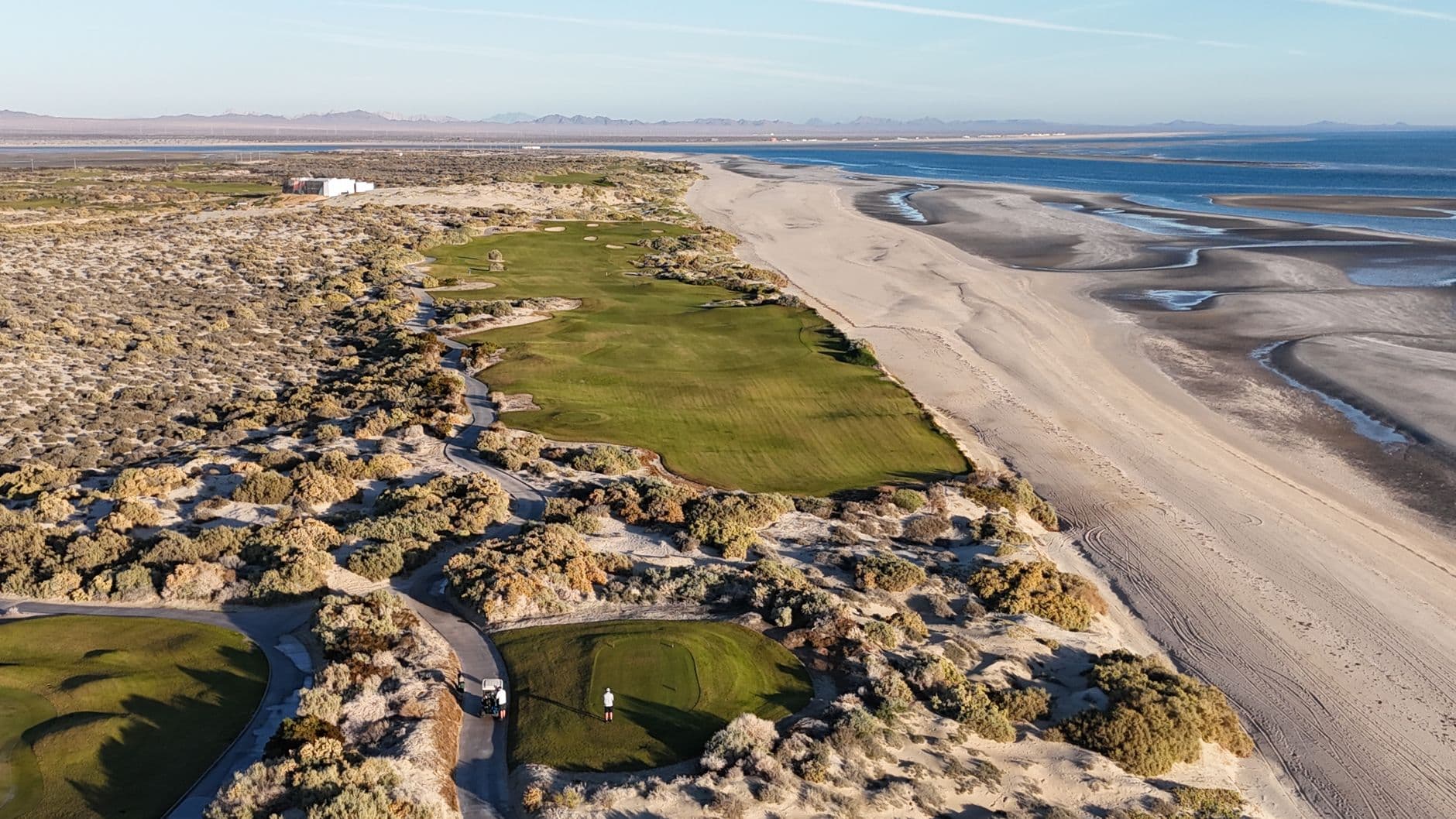
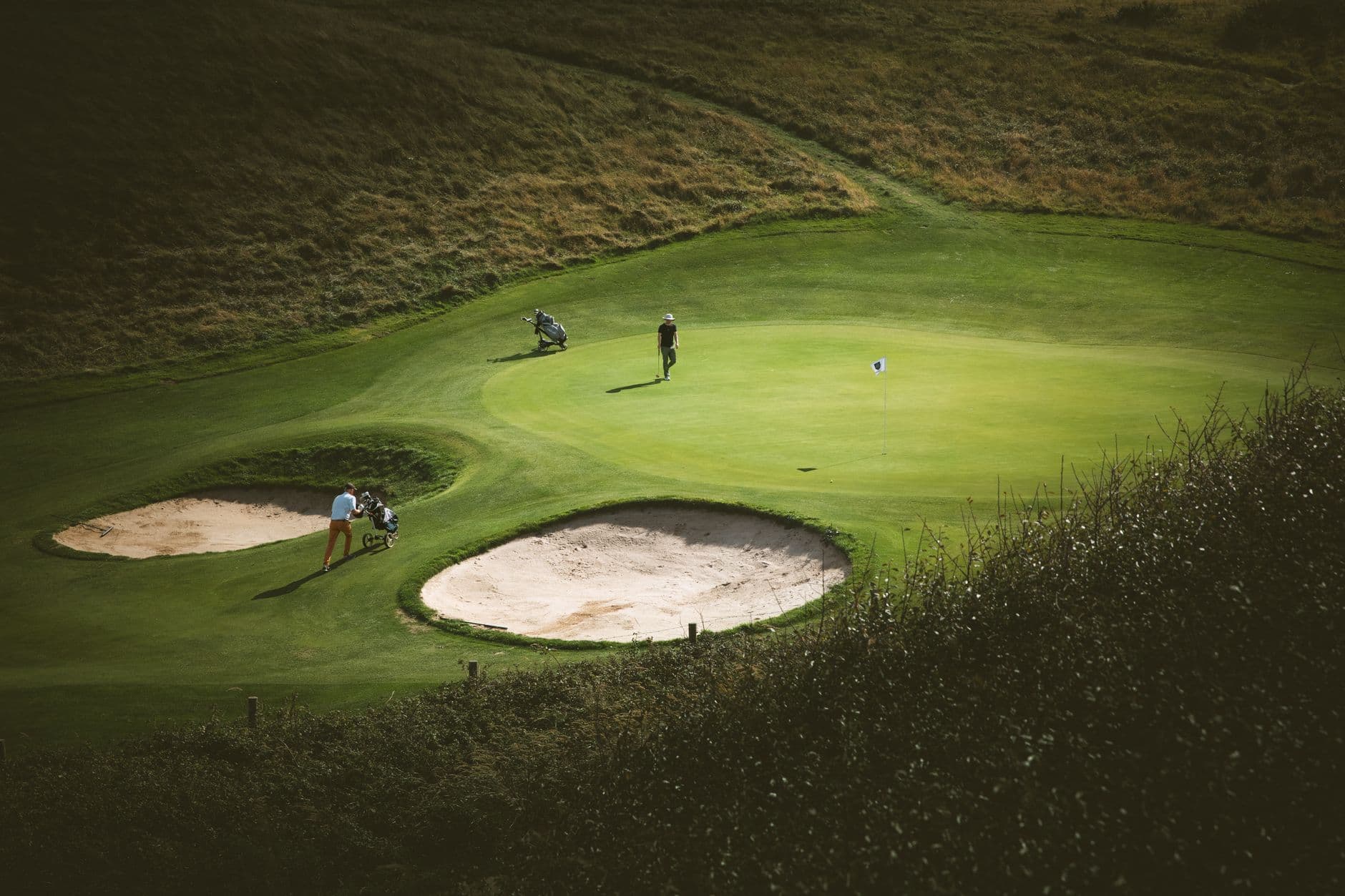
There is no pilgrimage more sacred in golf than standing on the first tee of a Scottish links course, where the game was forged centuries ago amid rolling dunes, gorse-lined fairways, and winds that seem to possess a will of their own. This is where golf began—not as a manicured country club pursuit, but as a battle against the elements on terrain that nature carved long before architects ever drew a routing plan.

Scotland's links courses represent golf in its purest, most uncompromising form. The word 'links' itself derives from the Old English 'hlinc,' referring to the sandy, undulating coastal land that connects sea to arable farmland. These strips of terrain proved unsuitable for farming but perfect for shepherds—and eventually, for golfers seeking to test their skill against the land.
What separates links golf from the parkland courses many players know is not merely aesthetics. It demands an entirely different strategic approach, shot-making repertoire, and mental fortitude that inland golf rarely requires.
The Old Course: Where It All Began
St Andrews needs no introduction, yet it still surprises first-time visitors. The Old Course is not pretty in a conventional sense—its beauty lies in its subtlety and the weight of history that permeates every blade of fescue. Golf has been played here since the early 15th century, making it the oldest golf course in the world still in continuous use.
The course's genius lies in its shared double greens, its deceptive bunkers with names like Hell and Coffin, and its ability to play entirely differently depending on wind direction. The R&A's decision to alternate the course layout—playing clockwise some days, counterclockwise others—means the Old Course offers two distinct experiences.
The Old Course is the most complex, challenging, and rewarding golf course in the world—not because of length, but because of the decisions it forces upon you.
— Tom Watson
For players seeking to understand links golf, the Old Course is essential—but it is merely the beginning.
Royal Dornoch: The Connoisseur's Choice
Situated north of Inverness in the Scottish Highlands, Royal Dornoch is often cited by touring professionals and course architects as among the finest tests of golf anywhere. Tom Watson called it the most fun he'd ever had on a golf course. Donald Ross, the legendary architect who designed Pinehurst No. 2, grew up here as a greenkeeper and spent his career attempting to recreate Dornoch's natural features across America.
What makes Dornoch special is its raised plateau greens, which reject anything but the most precisely struck approach shots. The turf here runs firm and fast, demanding that players consider not just where the ball lands, but where it finishes after bouncing and rolling with the contours.
Carnoustie: The Cruelest Test
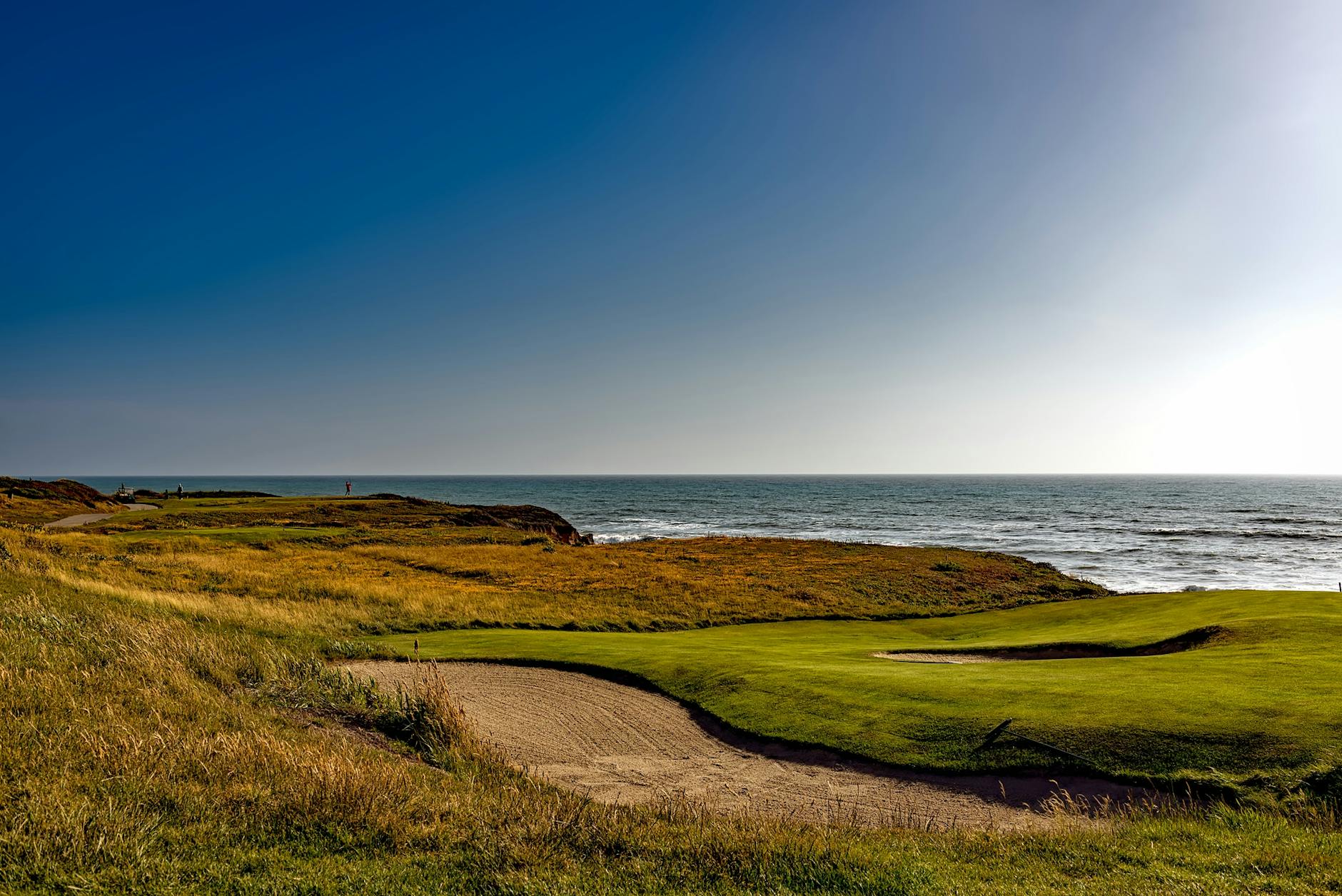
If you seek a gentler links experience, avoid Carnoustie. The Championship Course here has earned its reputation as the most demanding Open Championship venue, with the Barry Burn snaking through the final holes like a serpent waiting to claim victims. Jean Van de Velde's infamous collapse at the 72nd hole in 1999 remains seared into golf's collective memory.
Carnoustie offers no respite. Its length, combined with tight driving corridors and brutally positioned bunkers, means there are no easy holes. The course rewards precision and punishes hubris—exactly as links golf should.
The Essential Links Shot: The Bump-and-Run
American-style target golf—high, spinning approach shots that land softly—is largely ineffective on Scottish links. The firm turf, constant wind, and creative greenside contours demand a different approach entirely. The bump-and-run, struck with anything from a 6-iron to a hybrid, keeps the ball below the wind and uses the ground as an ally rather than fighting against it.
- Club selection should prioritize trajectory control over raw distance
- Landing zones 20-30 yards short of greens are often optimal
- Putting from off the green is not a concession—it's smart strategy
- Wind direction changes club selection by 2-4 clubs routinely
Players who resist adapting their games to these conditions inevitably struggle. Those who embrace the creativity links golf demands often find it becomes their preferred style of play.
Beyond the Famous Names
While St Andrews, Carnoustie, and Royal Dornoch draw most international attention, Scotland's wealth of links courses extends far beyond these celebrated venues. Cruden Bay offers dramatic clifftop golf with views that rival anywhere in the world. North Berwick's quirky design features a green played over a stone wall and blind shots that would never survive modern architectural review—yet work brilliantly.
Machrihanish, accessible only by a winding single-track road or small aircraft, opens with what many consider the finest opening tee shot in golf—a drive across the Atlantic Ocean. Trump International Golf Links near Aberdeen, despite the controversies surrounding its development, presents a formidable modern links challenge among towering dunes.
Equipment Considerations for Links Play
Links golf rewards equipment choices that prioritize control over pure distance. Ball selection becomes particularly crucial in windy conditions—a ball that performs predictably in 20-mph gusts maintains its line far better than one optimized purely for carry distance. Many serious links golfers specifically choose balls engineered for wind stability and consistent spin rates across their bag.
Shaft selection equally matters. Stiffer profiles that resist twisting in crosswinds help maintain accuracy when conditions deteriorate. The margin between a ball that holds the fairway and one that catches the rough grows razor-thin when wind becomes a factor on every shot.
Planning Your Scottish Links Pilgrimage
The best time to visit Scotland for links golf remains May through September, when daylight extends past 10 PM and weather patterns—while still unpredictable—offer the warmest temperatures. Booking at premier venues like the Old Course requires advance planning; the ballot system for the Old Course requires applications submitted well in advance.
Come prepared for four seasons in one round. Waterproofs, wind shirts, and layers are non-negotiable. Most importantly, come with an open mind and willingness to adapt. Links golf will frustrate you, challenge your assumptions about the game, and ultimately reward you with an experience that manicured resort courses simply cannot replicate.
This is where golf began. To understand the game fully, you must play it where it was born.
Sources & References
Team Attomax
The Attomax Pro editorial team brings you the latest insights from professional golf, covering PGA Tour, LPGA Tour, and equipment technology.