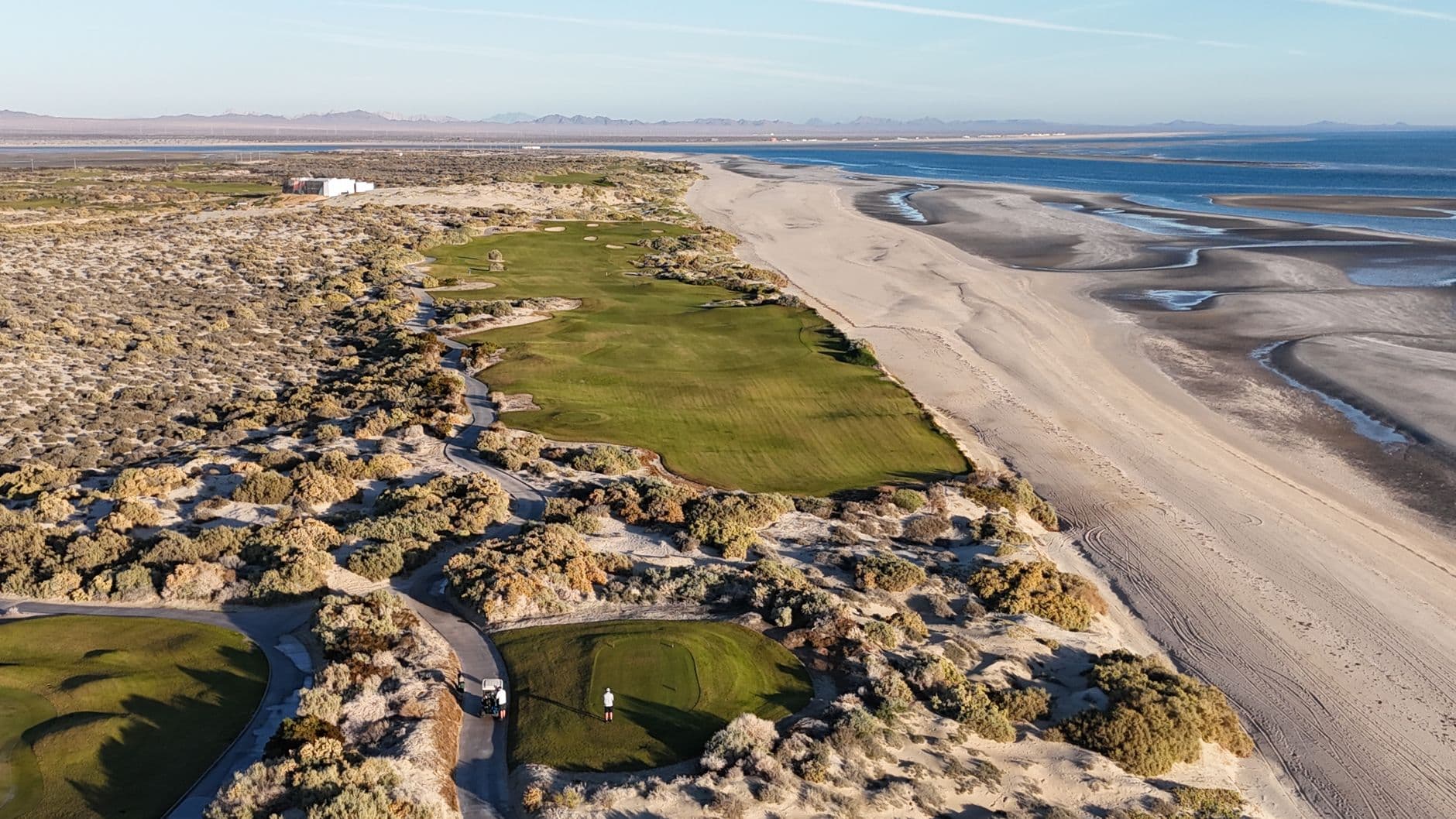
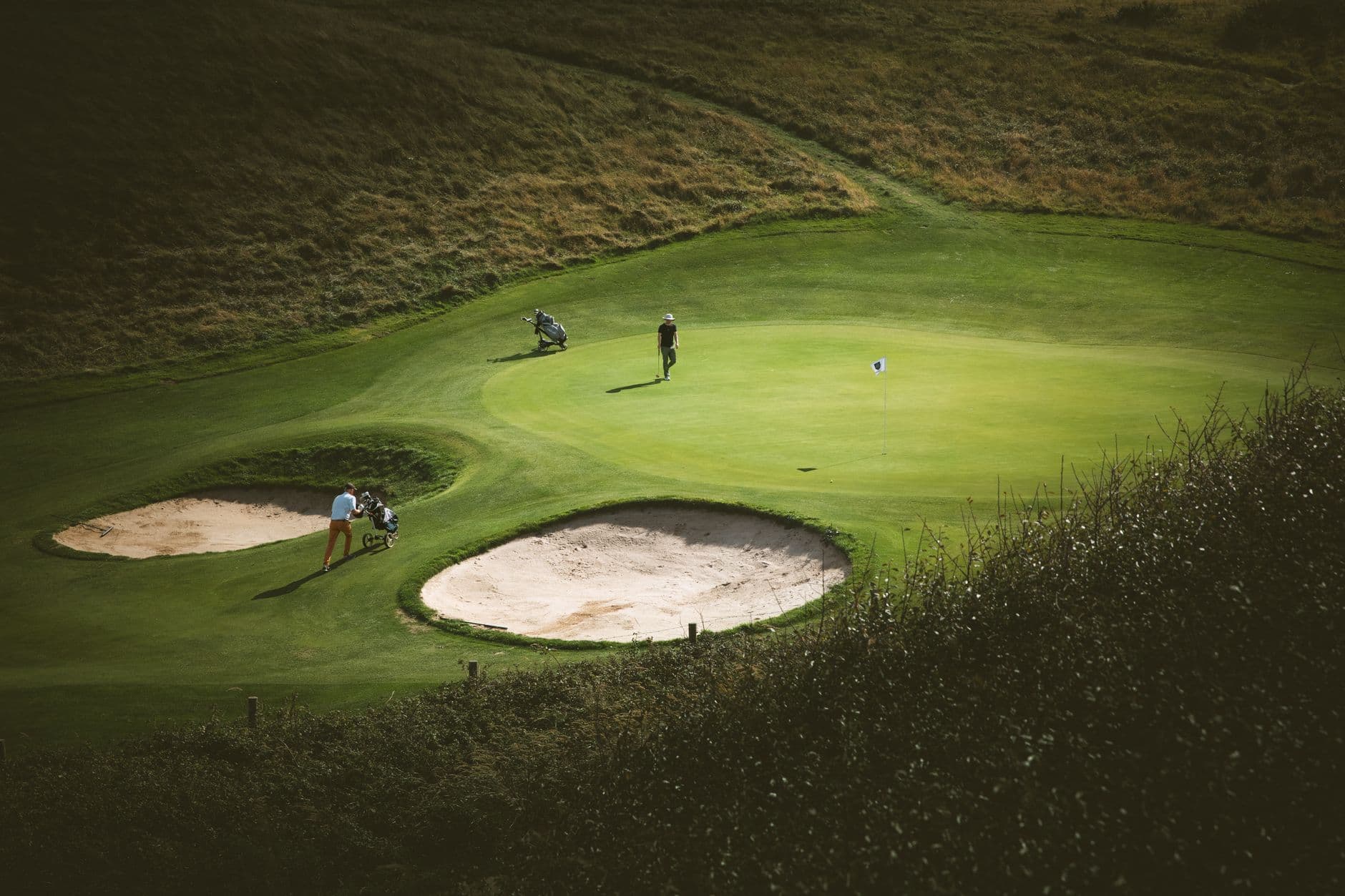
There is no pilgrimage more sacred in golf than the journey to Scotland's weathered coastlines, where the game first emerged from the windswept dunes centuries ago. Here, golf is not merely played—it is experienced in its rawest, most elemental form, stripped of modern conveniences and demanding the full measure of a player's skill and imagination.
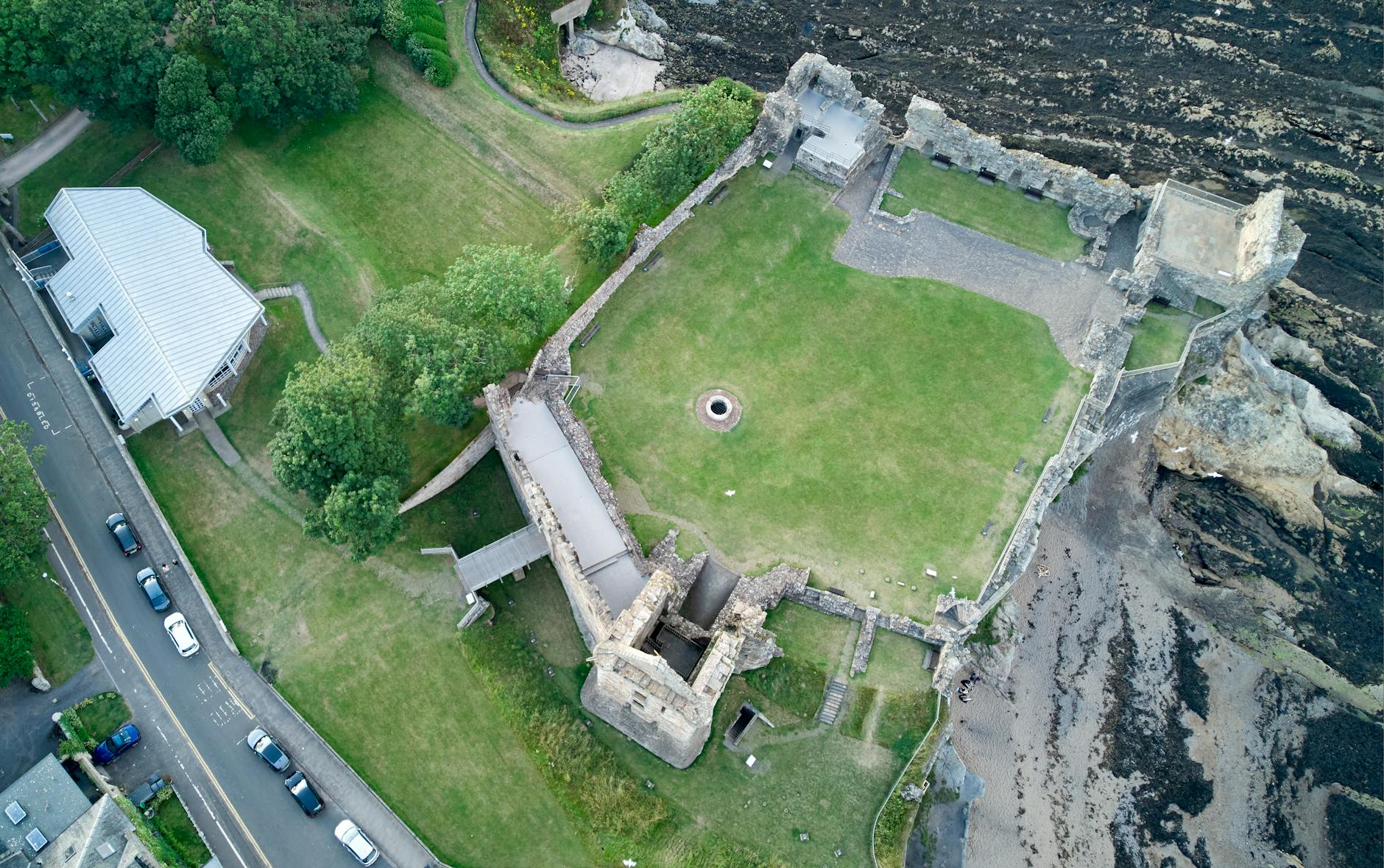
Long before Augusta National's pristine conditioning or Pebble Beach's dramatic cliffs captured the golfing imagination, Scottish shepherds and fishermen were striking pebbles across the rugged terrain of the Fife coast. The game that emerged from these humble origins would eventually conquer the world, yet nowhere does it retain its original character quite like the links courses of its homeland.
Understanding links golf is understanding golf's DNA. The term 'links' derives from the Old English 'hlinc,' meaning rising ground or ridge, referring to the sandy, undulating terrain that connects sea to arable land. This marginal land, unsuitable for farming, proved perfect for a game that would define sporting excellence for generations.
St Andrews: The Home of Golf
No discussion of Scottish links begins anywhere but St Andrews, where the Old Course has witnessed golf's evolution since the fifteenth century. Walking these fairways is to tread where Old Tom Morris shaped the modern game, where Bobby Jones fell in love with golf's greatest test, and where Tiger Woods claimed two of his Open Championship victories.
The Old Course confounds first-time visitors. Fairways blend into one another, sharing enormous double greens that can measure over an acre. The famous Road Hole bunker on the 17th has destroyed more championship dreams than perhaps any hazard in golf. Yet this apparent chaos conceals centuries of strategic refinement.
The more I studied the Old Course, the more I loved it, and the more I loved it, the more I studied it.
— Bobby Jones
What makes St Andrews remarkable is its accessibility. Unlike exclusive American clubs, the Old Course remains public land, managed by the St Andrews Links Trust. Any golfer with a reasonable handicap can enter the daily ballot for a tee time, creating a democratic tradition that honors golf's origins as a people's game.
The Art of Links Golf
Links golf demands a fundamentally different approach than the target golf prevalent on modern inland courses. Here, the aerial game often proves secondary to the ground game. Bump-and-run approaches, creative use of slopes, and the ability to flight the ball low under the wind separate true links players from tourists struggling against the elements.
- Wind reading becomes paramount—a 20mph breeze can turn a mid-iron into a driver and vice versa
- Firm, fast fairways reward controlled draws and fades that work with the terrain
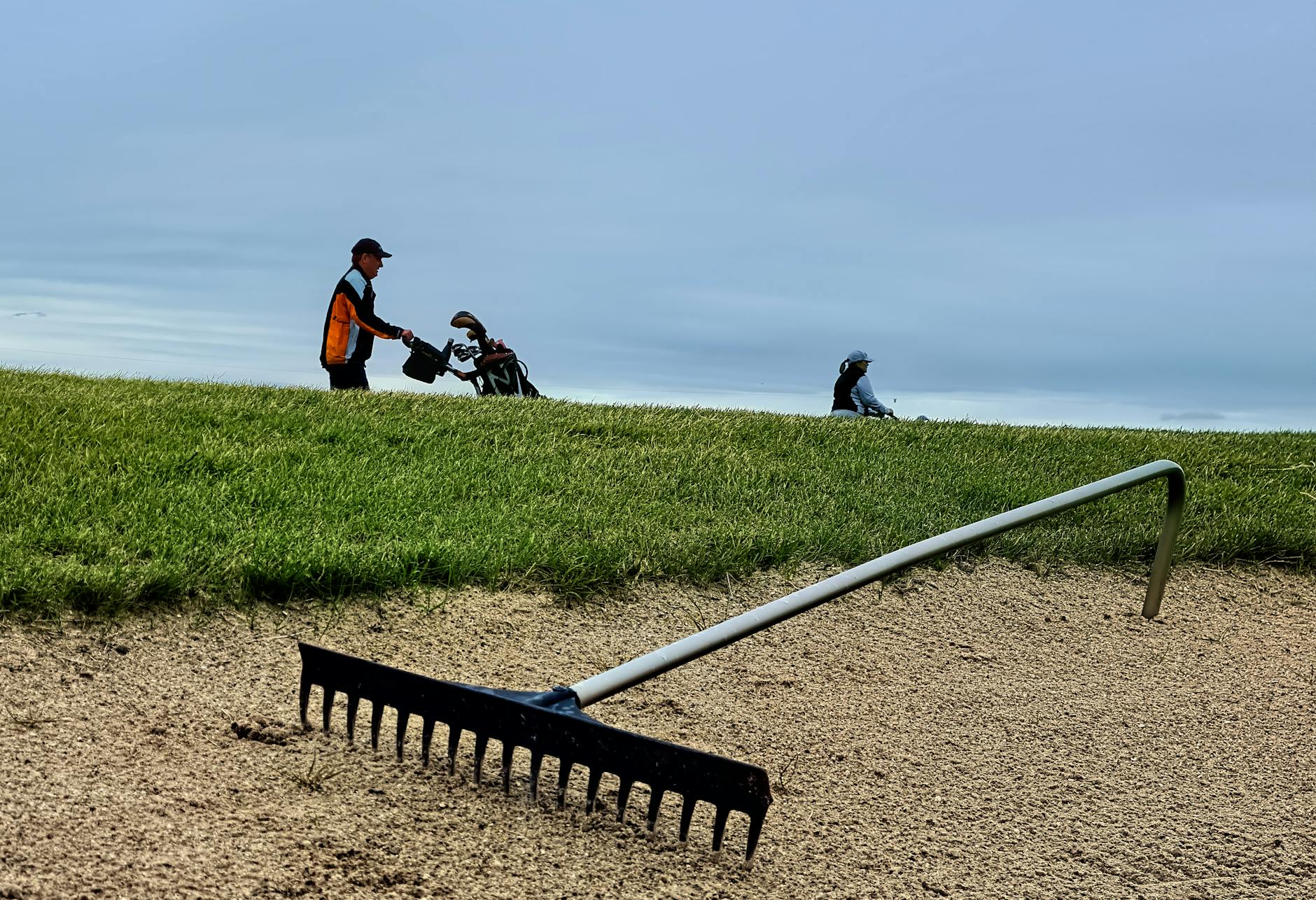
- Deep pot bunkers require escape-first mentality rather than aggressive recovery attempts
- Blind shots test course management and memory over multiple rounds
- Weather can shift dramatically mid-round, demanding constant adaptation
The mental challenge of links golf often proves even more demanding than the physical. When a perfectly struck shot catches an invisible ridge and kicks into a gorse bush, the links golfer must accept the result and move forward. This acceptance of randomness and injustice mirrors life itself—perhaps explaining why the Scottish character and links golf developed in such harmony.
Beyond St Andrews: Scotland's Crown Jewels
While the Old Course rightfully commands attention, Scotland's links collection extends far beyond Fife. Royal Dornoch, perched on the Highlands coastline, inspired Donald Ross's legendary American designs and offers perhaps the most sublime natural setting in golf. The course rewards precision and punishes wayward play with steep run-off areas that funnel balls into collection areas.
Muirfield, home of the Honourable Company of Edinburgh Golfers, presents links golf in its most strategic form. The course's clockwise-then-counterclockwise routing means players face the wind from every conceivable angle, eliminating any possibility of hiding weaknesses. This design intelligence has made Muirfield a regular Open Championship venue and a benchmark for course architects worldwide.
Carnoustie: Golf's Sternest Test
When conditions align, Carnoustie presents the most demanding test in championship golf. The closing stretch—featuring the infamous Barry Burn that snakes across the final two holes—has witnessed some of the game's most dramatic moments. The course's length, when combined with typical Scottish winds, can humble even the world's best players.
Royal Troon, Turnberry, and the lesser-known gems like Cruden Bay and North Berwick each offer unique interpretations of links golf. Turnberry's Ailsa Course, with its lighthouse views and demanding clifftop holes, provides arguably the most visually stunning round in Scotland—though the constant wind off the Firth of Clyde ensures the beauty comes with teeth.
Equipment Considerations for Links Play
Successful links golf often requires equipment adjustments that traditional ball-flight data cannot capture. Wind stability becomes crucial—a ball that balloons in still conditions will become unplayable when facing a three-club wind. This is where Attomax Pro's high-density amorphous metal construction offers genuine advantage, maintaining penetrating ball flight when atmospheric conditions turn hostile.
Similarly, shaft selection matters enormously. The lower, more controlled launch characteristics demanded by links golf favor shafts that resist the tendency to balloon shots under pressure. The ability to flight the ball down while maintaining spin control around firm greens represents the holy grail of links equipment optimization.
Planning Your Scottish Links Pilgrimage
For the serious golfer, a Scottish links trip represents a bucket-list experience that transcends typical golf travel. The optimal window runs from May through September, though Scottish weather remains gloriously unpredictable regardless of calendar date. Afternoon light in June can extend past 10 PM, allowing for late rounds that stretch into the gloaming.
Many visitors underestimate the travel distances involved. Scotland's links courses are scattered across a coastline that requires strategic planning. The East Lothian coast offers Muirfield, North Berwick, and Gullane within easy reach of Edinburgh. The Fife coast centers on St Andrews but includes Kingsbarns and Elie. The western Ayrshire coast features Royal Troon and Turnberry, while the Highland routes to Royal Dornoch and Nairn demand dedicated expedition.
What awaits is worth every mile traveled. Scottish links golf offers communion with the game's origins, a chance to test skills against the same elements that shaped golf's earliest champions. In an era of GPS watches and launch monitors, walking a links course with the wind in your face and rain threatening on the horizon connects us to something essential about why we play this maddening, magnificent game.
Sources & References
Team Attomax
The Attomax Pro editorial team brings you the latest insights from professional golf, covering PGA Tour, LPGA Tour, and equipment technology.