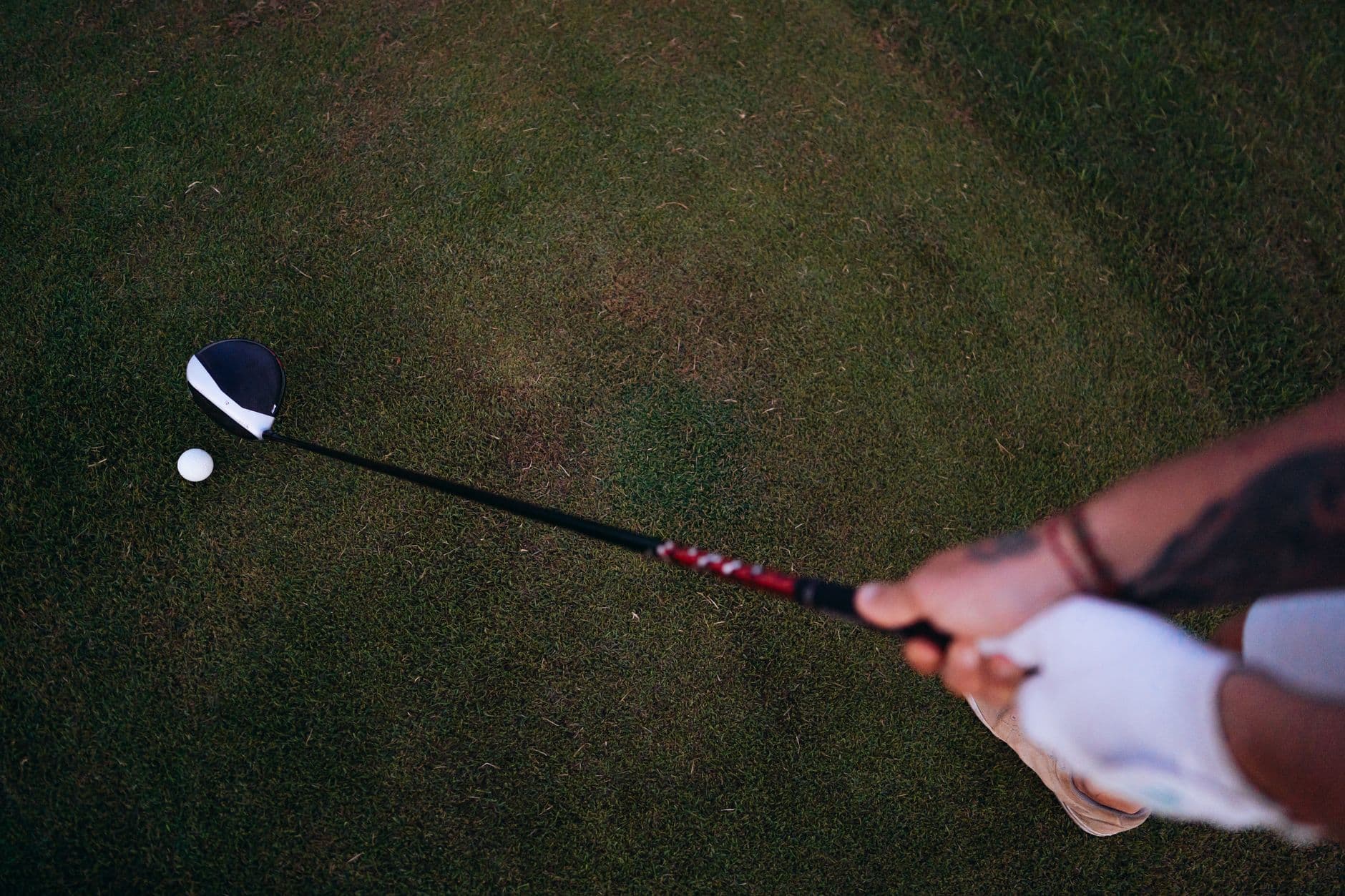
Shaft weight remains one of the most misunderstood variables in club fitting, routinely overshadowed by flex and launch angle in casual conversation. Yet mass is often the first domino that determines how a shaft loads, releases, and ultimately delivers the clubhead at impact. Understanding the practical differences between 50g, 60g, and 70g graphite shafts can reshape how you think about your entire bag.

Weight and flex are not interchangeable concepts, even though golfers frequently conflate them. A shaft can be lightweight and stiff, or heavy and soft, and each combination produces a distinct feel and performance signature. The goal of this breakdown is to isolate weight as a variable so you can make a more informed decision the next time you're evaluating a build.
Why Shaft Weight Matters More Than You Think
At the most fundamental level, shaft weight influences total club mass, swingweight, and the timing of the kick point's release through the hitting zone. Lighter shafts generally allow for higher clubhead speed because there is simply less mass to accelerate, but that speed gain can come at the cost of control for players with aggressive transitions. Heavier shafts, conversely, tend to dampen excess hand action and provide a more stable, repeatable release pattern for players with faster tempos or stronger grips.
Tour-level fitters often describe weight as the variable that governs 'feel of control,' while flex governs timing. A player who struggles with a low, hooking miss under pressure may find more help from added shaft mass than from a stiffer flex profile alone. This is precisely why dialing in weight correctly is foundational to any serious fitting process, and why tools like the free ATOM AI fitting tool evaluate tempo and transition load before ever recommending a flex.
50g Shafts: Speed-Focused, Moderate Tempo
Shafts in the 50g range have become increasingly popular among golfers seeking distance without sacrificing an unreasonable amount of control. They suit players with moderate swing speeds, smoother transitions, and a desire to maximize clubhead speed through reduced overall mass. This category is also a common landing spot for players transitioning down from heavier shafts due to age, injury, or a general shift toward a more efficient, less effortful swing.
- Best for moderate swing speeds with a smooth, unhurried transition
- Ideal for players prioritizing ball speed and carry distance
- Often paired with mid-to-high launch profiles for maximum carry
- Can expose timing issues for players with quick, handsy transitions
60g Shafts: The Versatile Middle Ground
The 60g category remains the most populated segment in premium graphite shafts, and for good reason. It offers a balance between the speed potential of lighter builds and the stability of heavier ones, making it a sensible starting point for players who haven't yet been through a formal fitting. Many of our ATOM Black and ATOM Blue shafts in this weight class are engineered using TORAYCA carbon fibre layered with UHM 65T carbon to maintain torsional stability without pushing total mass higher than necessary.
Golfers with above-average swing speeds and moderately aggressive transitions tend to gravitate here because the added mass relative to 50g builds provides just enough stability to control dispersion without feeling like a liability through impact. It's also a common choice for players who want a single shaft weight to work across multiple flex options, since 60g platforms are typically available from R through X flex, and in G-designation multi-flex models for golfers whose transition varies session to session.
70g Shafts: Stability for Faster, Forceful Swings
At the top of the graphite weight spectrum, 70g shafts are built for players with faster swing speeds, firmer transitions, and a tendency to overpower lighter shafts into inconsistent face angles at impact. The added mass slows the release slightly, which can help square the face more predictably for players who generate significant lag and shaft lean. This is also the category where amorphous metal alloy wire construction becomes particularly relevant, since the super-elastic properties can help maintain energy transfer efficiency even as total shaft mass increases.
Stronger players and those coming from steel iron shafts into graphite driver or hybrid shafts often find 70g builds feel more familiar and less 'whippy' through transition. The tradeoff is clear: some ball speed potential is sacrificed for the sake of control, which is a reasonable exchange for a player whose miss is already a low hook or a blocked push under speed.
Matching Weight to Swing Characteristics
No weight chart replaces an actual fitting session, but a few practical signals can point you in the right direction. If you consistently struggle with a late, flippy release and inconsistent contact, added weight may quiet that motion down. If you feel restricted or 'stuck' through the hitting zone with a current heavier shaft, dropping into the 50g or lower-end 60g range might unlock speed you're currently leaving on the table.
- Smooth tempo, moderate speed: lean toward 50g for speed gains
- Average speed, moderately aggressive transition: 60g offers the safest balance
- Fast swing, strong hands, firm transition: 70g adds necessary control
- Grip size and compound also affect perceived shaft feel and should be assessed together
It's worth noting that shaft weight decisions rarely happen in isolation. Grip weight and size interact directly with swingweight and overall club feel, which is why pairing the right shaft with a correctly sized option from the grip lineup is part of a complete build rather than an afterthought. A shaft that feels unstable at 60g can sometimes be stabilized meaningfully just by adjusting grip compound and size.
Weight is the variable players feel immediately, but it's the one they diagnose last. Get the mass right first, and flex decisions become much easier.
— Club Fitting Industry Perspective
Where to Go From Here
If you've been guessing at shaft weight based on what a playing partner uses or what feels fastest on a single range session, it's worth formalizing the process. Detailed construction specs, including torque, tip stiffness, and recommended tipping instructions for each weight class, are available on the ATOM spec sheet and flex guide for golfers who want to go deeper before committing to a build. For a hands-on evaluation with launch monitor data behind it, visiting an authorized fitting partner remains the most reliable way to confirm which weight category actually suits your transition and tempo rather than relying on general guidelines alone.
Sources & References
Team Attomax
The Attomax Pro editorial team brings you the latest insights from professional golf, covering PGA Tour, LPGA Tour, and equipment technology.