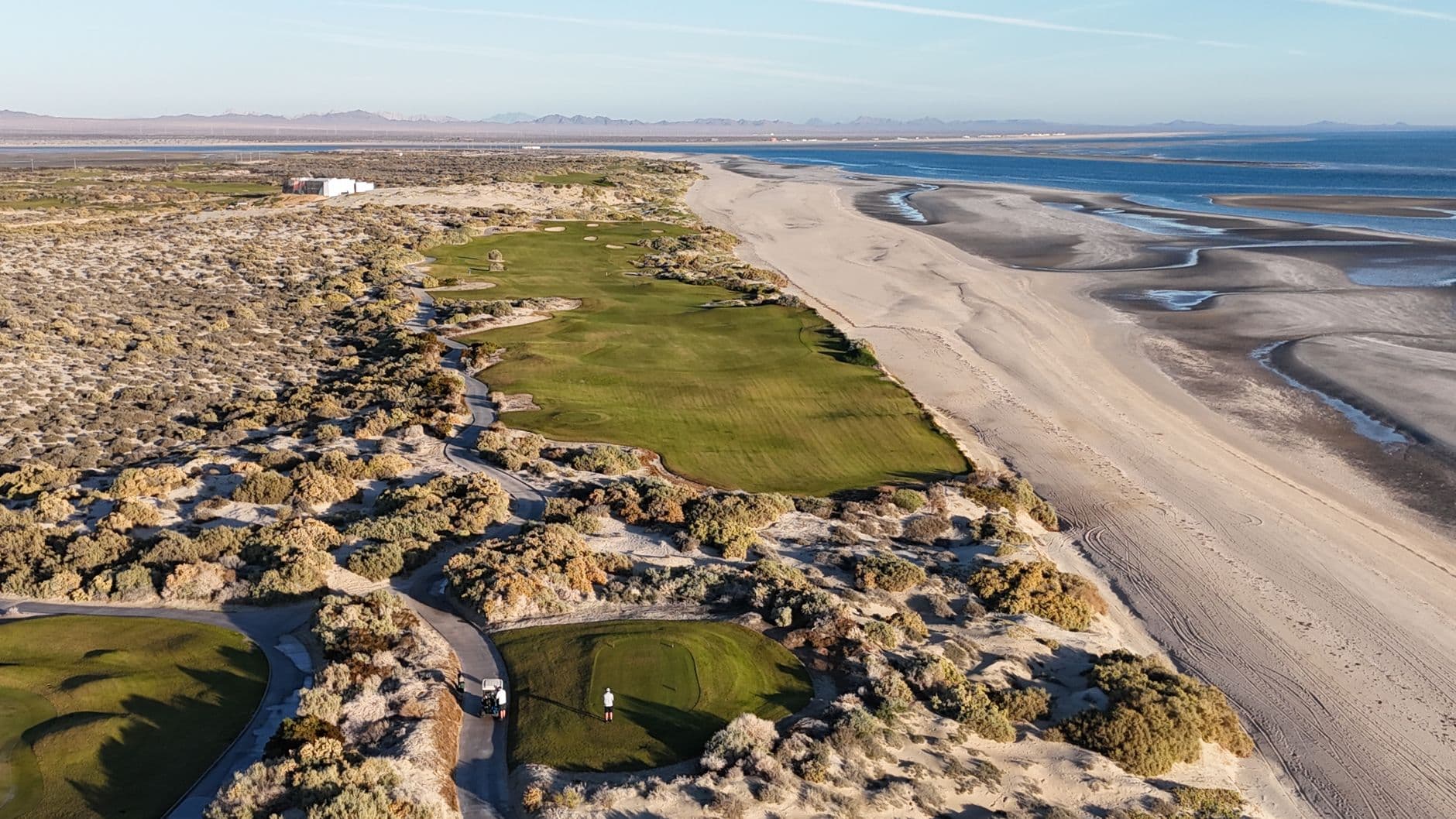
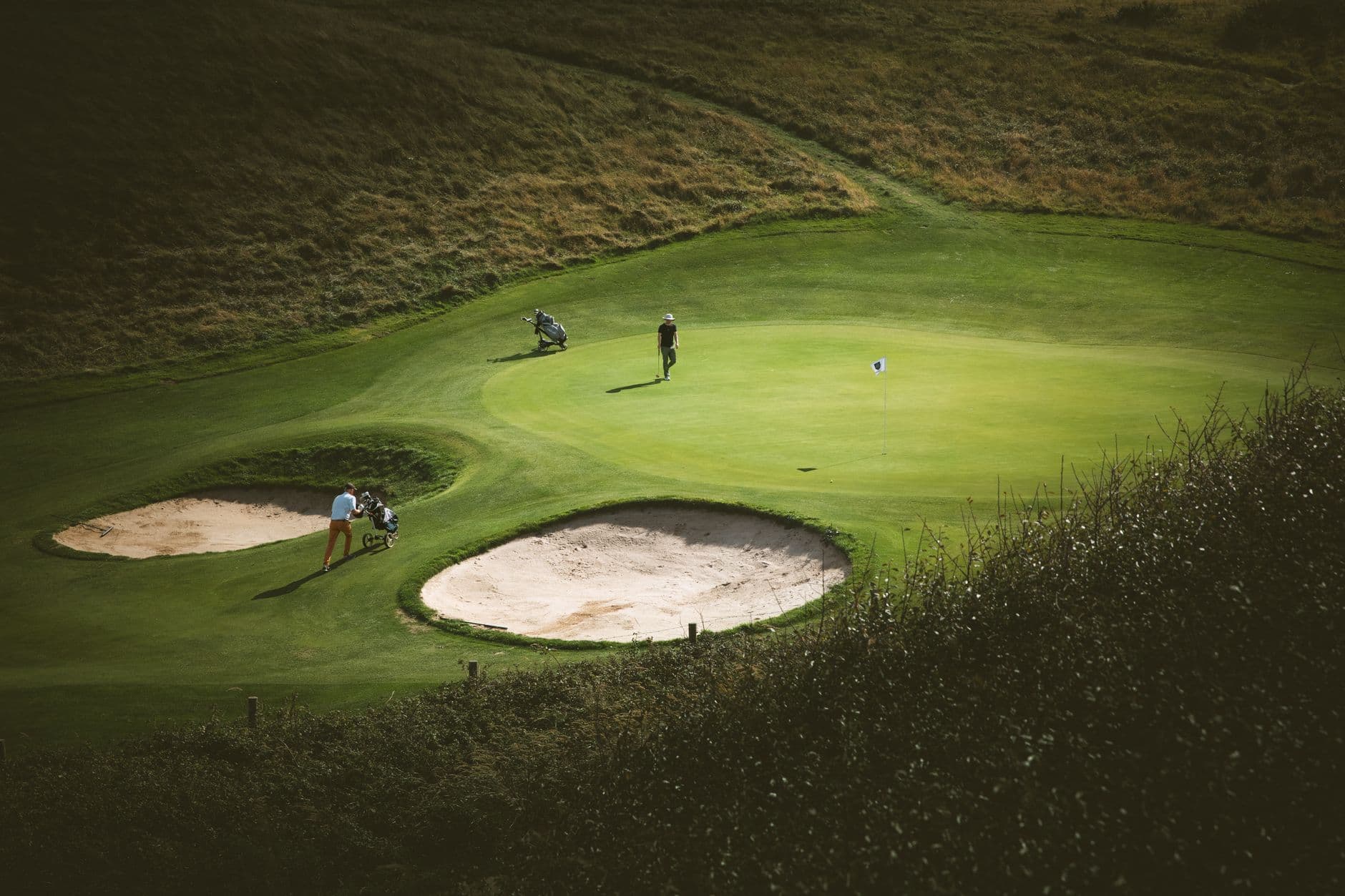
Perched on the windswept eastern end of Long Island, Shinnecock Hills Golf Club occupies a singular place in American golf history. Founded in 1891, it is widely recognized as the oldest 18-hole golf club in the United States, predating most of the traditions, formats, and institutions that define the modern game. When the USGA chooses Shinnecock as a US Open venue, it is not merely selecting a championship-caliber course — it is returning to the birthplace of American competitive golf.
The club was established in Southampton, New York, by a group of wealthy New Yorkers who had witnessed golf being played during a visit to Biarritz, France. Upon returning, they commissioned Willie Dunn Jr. — one of Scotland's most respected course architects of the era — to design a 12-hole layout on the rolling, links-style terrain of the South Fork. That original layout was eventually expanded and redesigned, but the natural topography that made Dunn reach for his surveying equipment still defines the course today.
The Architecture That Defines Difficulty
The current routing at Shinnecock Hills was redesigned by William Flynn in 1931, and it remains one of the most respected strategic designs in championship golf. Flynn worked with the natural contours of the property rather than against them, producing fairways that pitch, roll, and funnel in ways that demand precision off the tee. The fescue rough, particularly when allowed to grow for a US Open, penalizes anything more than a few yards from the short grass with a severity that few other venues can replicate.
What separates Shinnecock from manufactured difficulty is its authenticity. The course does not need to be tricked up with narrow corridors or heavily bunkered landing zones to present a supreme challenge. The wind off Peconic Bay and the Atlantic does much of the work on its own. Tour players frequently describe the experience as closer to links golf than anything else they encounter on the American schedule — a sentiment that resonates deeply with anyone who has watched scores balloon on a breezy Sunday afternoon.
- Founded in 1891 — widely recognized as the oldest 18-hole golf club in the United States
- Current layout designed by William Flynn in 1931, largely unchanged in routing
- Par 70 configuration used during US Open settings — unusually demanding for a major championship format
- Fescue rough and natural terrain replace manufactured difficulty
- Prevailing winds from the south and southwest make every club selection a genuine decision
The US Open at Shinnecock: A Complicated Love Affair
Shinnecock hosted the second US Open ever played, in 1896, making its relationship with the championship as old as the event itself in any meaningful sense. The club hosted the championship again in 1986, 1995, 2004, and most recently in 2018 — each iteration producing its own chapter in Open lore. The 1995 championship, won by Corey Pavin with one of the most celebrated final-hole approach shots in major history, is frequently cited as among the finest US Opens of the modern era.
The 2004 edition introduced a new generation of fans to Shinnecock's capacity for cruelty. Greens dried to near-unplayable conditions on Saturday forced the USGA to water them between rounds — a decision that drew significant criticism and remains one of the more controversial episodes in championship administration. Retief Goosen ultimately prevailed, but the weekend exposed the fine line between championship difficulty and genuine unfairness that the USGA has been navigating at Shinnecock ever since.
There is no place like Shinnecock in the United States. It is the closest thing we have to a true links test, and the wind makes every round feel completely different from the one before it.
— PGA Tour professional, widely attributed in golf media
The 2018 US Open brought Phil Mickelson's infamous moving-ball incident on the 13th green during Saturday's third round, an image that traveled instantly around the world and sparked debate about rules, sportsmanship, and competitive pressure. Brooks Koepka won his second consecutive US Open title that week, reaffirming his status as one of the defining major performers of his generation. But it was Shinnecock itself — its severity, its unpredictability — that remained the story.
The Equipment Calculus at Shinnecock
Playing Shinnecock at the highest level demands equipment decisions that go beyond simple yardage charts. The variable wind conditions mean that spin management off the tee and into greens is not a secondary concern — it is the primary variable distinguishing a 69 from a 74. Players and caddies routinely adjust their game plan hole by hole depending on wind direction, which can shift between the front and back nine on a single round.
Ball selection on firm, fast conditions like those Shinnecock presents in summer is a conversation worth having seriously. The ability to hold firm greens without excessive spin — or to generate enough spin on the right approach angle — separates elite-level play from the field. The Attomax High-Density ball line, engineered with amorphous metal core technology, is designed precisely for these conditions: delivering the penetrating trajectory needed into coastal winds while maintaining the spin consistency that fast, undulating Shinnecock greens demand. On a course where the margin between birdie opportunity and bogey is measured in feet of green reading, compression and spin rate are not marginal factors.
The Clubhouse and Cultural Weight
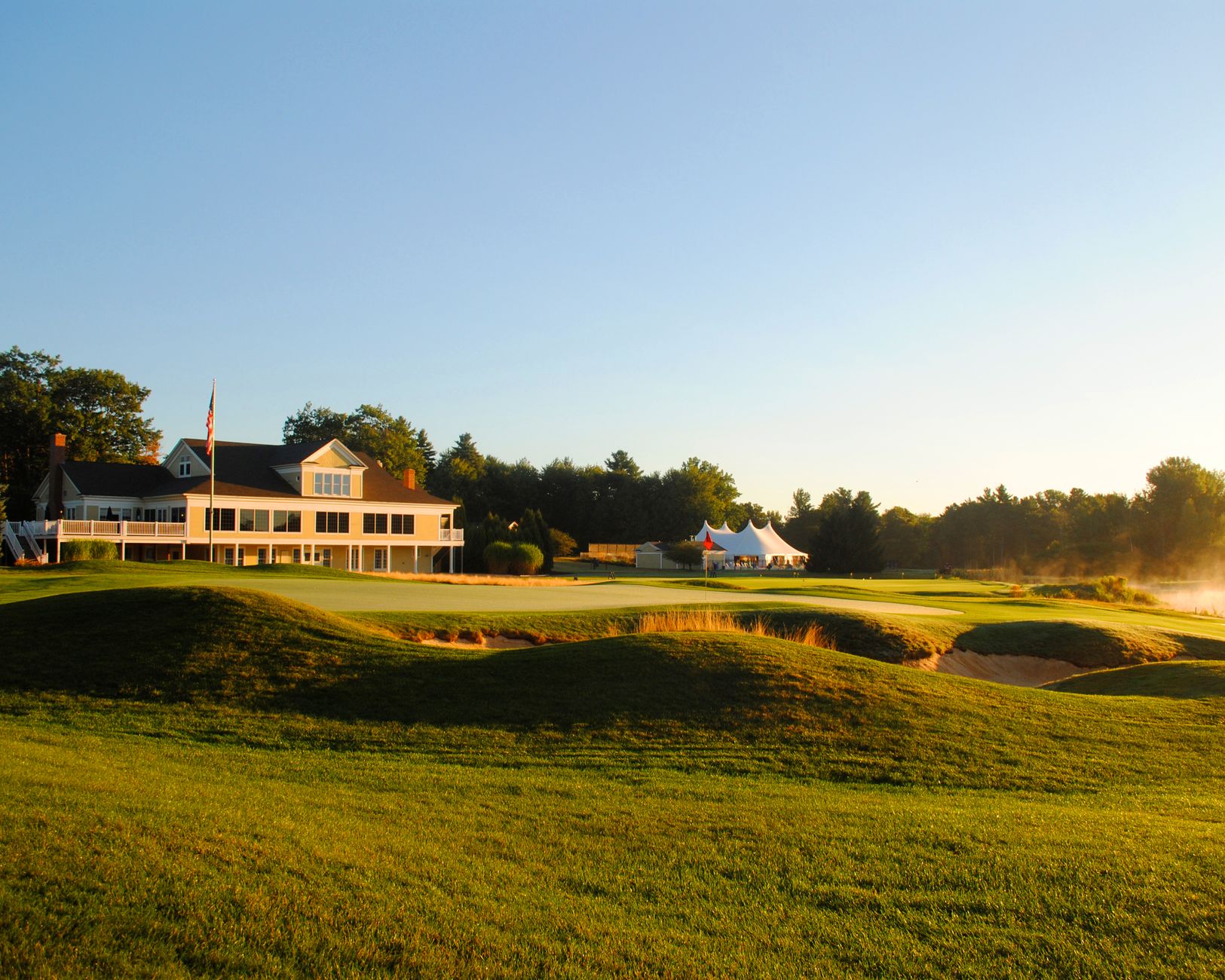
The Stanford White-designed clubhouse, completed in 1892, is arguably as iconic as the course itself. It stands as one of the earliest surviving golf clubhouses in the country and has been recognized on the National Register of Historic Places. The architecture — shingle-style, with sweeping verandas facing the course — captures something essential about the Gilded Age origins of the club and the social world from which American golf emerged.
Shinnecock's membership has historically been drawn from New York's most prominent families, and the club has maintained an ethos of restraint and tradition that distinguishes it even within the rarefied world of American private golf. Unlike some clubs that have modernized their image aggressively, Shinnecock's identity is inseparable from its age and its original character. That continuity, paradoxically, is what makes it feel modern — a course that has never needed to reinvent itself because it was right the first time.
What the Future Holds
As of mid-2026, Shinnecock Hills has not had a confirmed future US Open date publicly announced, though the club's continued relationship with the USGA makes another championship appearance a near-certainty at some point. Given the USGA's rotation patterns and the club's unmatched credentials, the question is not whether Shinnecock will host again — it is when.
For the serious golfer, a pilgrimage to Shinnecock Hills — either as a spectator during a US Open week or as a guest of a member during an ordinary summer day — remains one of the sport's most honest and demanding experiences. The course does not perform for you. It simply exists, as it has for well over a century, and asks whether you are good enough. Most of the time, the answer is humbling.
Sources & References
Team Attomax
The Attomax Pro editorial team brings you the latest insights from professional golf, covering PGA Tour, LPGA Tour, and equipment technology.