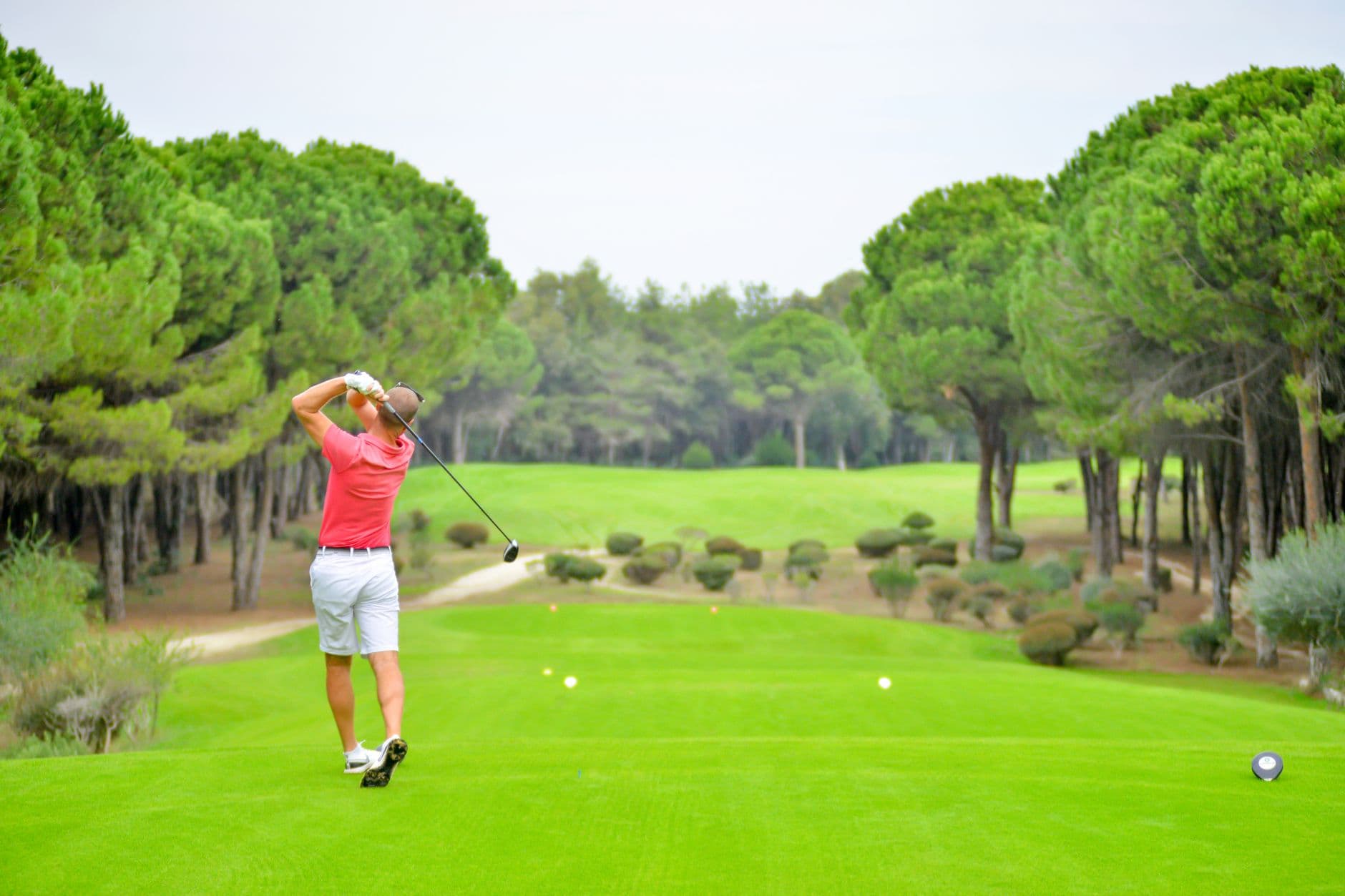
There are golf courses that challenge you. And then there is Shinnecock Hills Golf Club in Southampton, New York — a venue that doesn't merely test a professional golfer, it interrogates them. With the USGA's uncompromising setup philosophy applied to one of America's most storied layouts, the US Open at Shinnecock becomes something closer to an endurance examination than a stroke-play tournament.
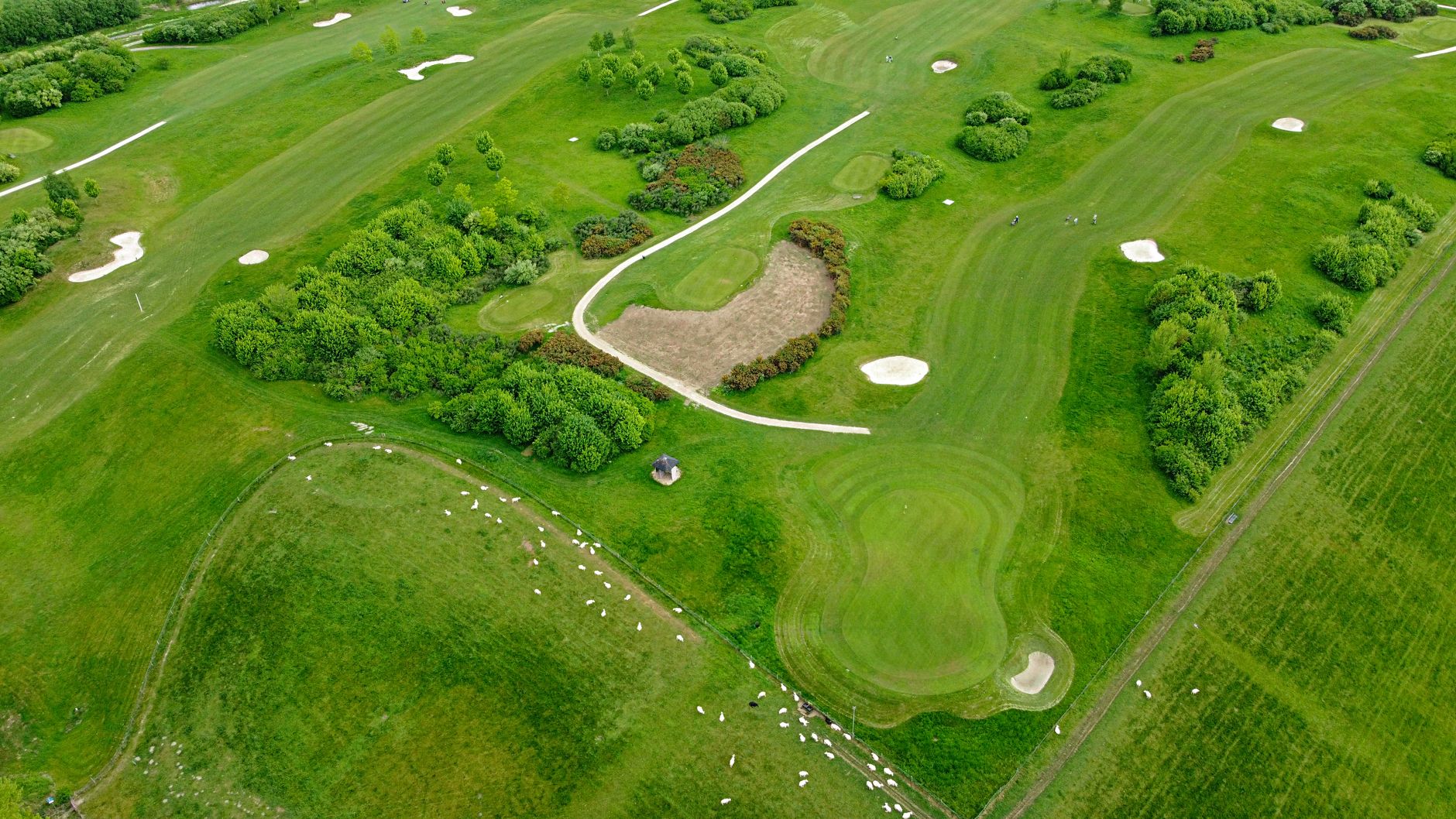
Shinnecock is one of the oldest golf clubs in the United States, founded in 1891, and its links-adjacent character is unmistakable. Perched on the glacial ridges of Long Island's East End, the course is exposed to prevailing Atlantic winds that render even the most technically sound ball-striking irrelevant if a player cannot manage trajectory, spin, and shot shape with surgical precision.
When the USGA sets up Shinnecock for a US Open, it pursues its stated mandate without apology: identify the best golfer in the world by making the game as difficult as the rules allow. That means deep, penal rough, firm and fast putting surfaces, and a course configuration that rewards patience and punishes aggression.
The Wind Is Not a Variable — It's the Test
Experienced players know that at Shinnecock, wind is not a weather event to be managed — it is the central design element of the entire course experience. The ridgeline routing exposes virtually every hole to crosswinds and quartering gusts that shift direction across an 18-hole round. A player who commits to a club selection based on conditions at the tee can find those conditions entirely different at the landing zone.
The strategic demand this places on shot-making is profound. Trajectory control becomes paramount. The ability to flight the ball down, hold shape against a crosswind, and still generate enough spin to hold a firm green is the defining skill set at Shinnecock. Players who manufacture high, soft approaches — effective on parkland courses with softer conditions — often find Shinnecock an uncomfortable reckoning.
- Prevailing winds typically blow in from the southwest, but shifts are common throughout a round
- The course's elevated ridgeline exposure means wind speed increases significantly from tee to green on several holes
- Low, penetrating ball flights are rewarded; high, ballooning shots are punished severely
- Club selection can vary by two or three clubs depending on wind direction and speed
- Reading the wind at ground level versus flag height is a critical skill the best players master
The USGA Rough: A Study in Strategic Cruelty
The USGA's relationship with rough at Shinnecock is well-documented and unapologetic. The fescue rough that flanks Shinnecock's fairways grows dense and tangles club faces at impact, stripping spin and control from even the cleanest contact. Missing a fairway at Shinnecock is not merely a statistical inconvenience — it is a scoring event in itself.
The immediate rough adjacent to fairways, often called the 'first cut,' provides marginal relief. The deeper stuff, however, forces recovery decisions that define rounds. The calculus is simple but brutal: can you generate enough club speed through tangled fescue to reach the green with any meaningful spin? Or is the wise play a conservative punch back to the fairway, accepting a dropped shot rather than risking a compounding error?
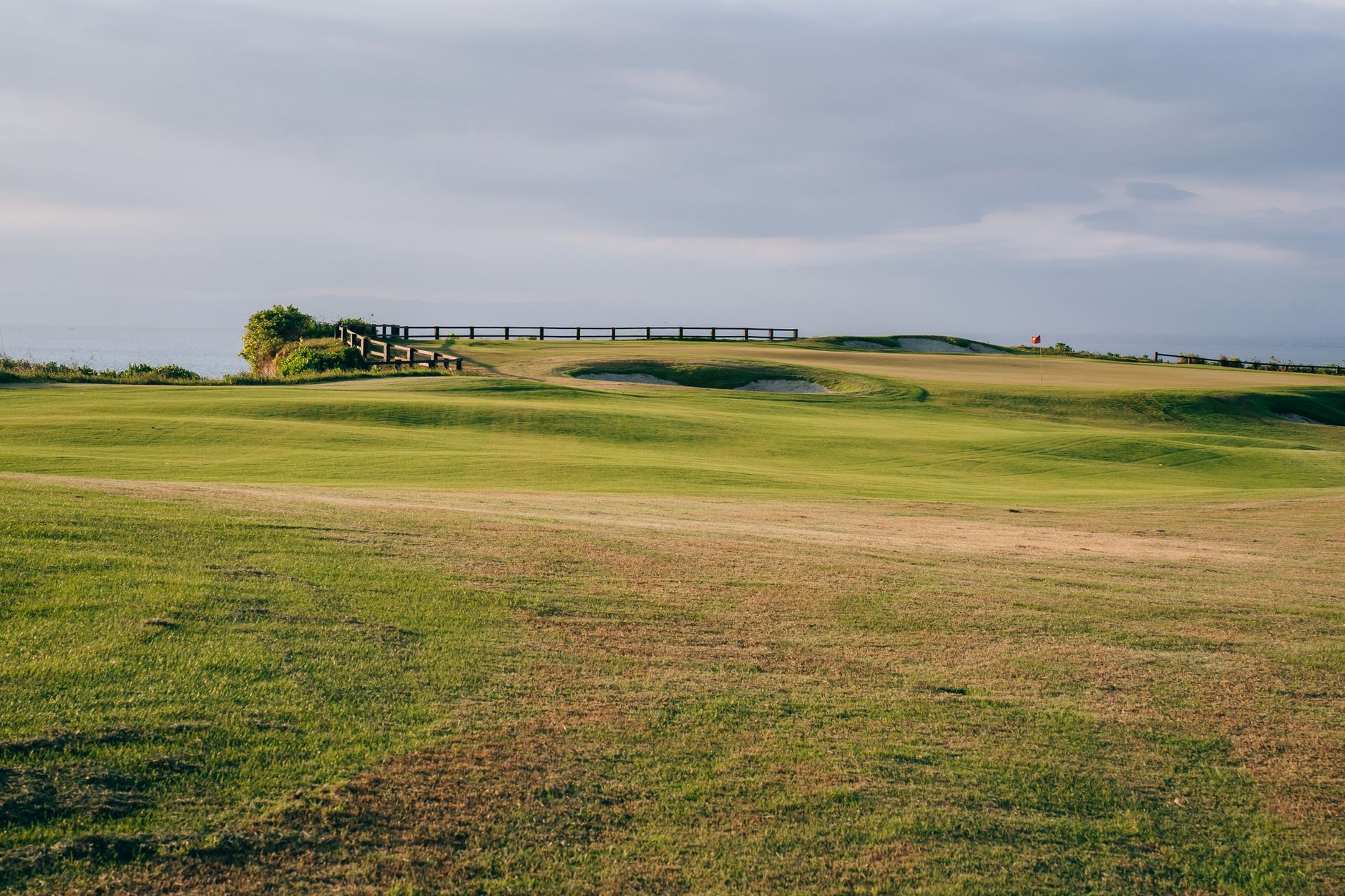
This is where ball technology becomes a genuine competitive differentiator. Tour players who can rely on a ball that delivers consistent spin rates even from compromised lies retain an edge in the rough. The compression characteristics of a golf ball — its ability to compress and release energy uniformly under varying impact conditions — matter enormously when contact is anything less than perfect. Attomax's High-Density construction technology is specifically engineered for this kind of performance consistency, providing predictable spin behavior regardless of whether the contact is from a pristine fairway lie or a tangled fescue recovery.
Course Management: The Art of Playing Within Yourself
The players who contend at US Opens on demanding layouts like Shinnecock are rarely those who overpower the course. The game here is positional. Aggressive play toward certain pin positions — particularly Sunday placements tucked near false fronts or on elevated tiers — can unravel an entire round with a single miscalculation.
Greens-in-Regulation percentages matter less than where you are on the green. A GIR to the wrong quadrant, leaving a severe downhill breaking putt, can be more damaging than a missed green followed by a deft chip. The best US Open players understand this implicitly — they map acceptable miss zones before every shot and execute accordingly.
You can't attack Shinnecock. You have to wait for it to offer you something, and when it does, you have to be ready to take it without hesitation.
— Widely held view among US Open veterans at Shinnecock Hills
The Mental Resilience Dimension
Perhaps the most underappreciated aspect of performing at Shinnecock is psychological. When conditions harden — when the wind spikes, the greens accelerate beyond a comfortable pace, and the rough grabs a ball that was barely offline — the natural human response is frustration. That frustration compounds errors. A player who makes a double bogey at the turn because of circumstances beyond their control must recalibrate immediately or risk a catastrophic back nine.
The USGA has historically made Shinnecock one of the sternest mental tests in professional golf precisely because the setup can swing from 'extremely difficult' to 'nearly unplayable' with a gust shift and a drying afternoon sun. The ability to accept what the conditions deliver, stay in process, and grind through bogeys without surrendering to the course is what separates US Open champions from elite players who simply never convert on major occasions.
Shaft Characteristics and the Shinnecock Wind Equation
From an equipment standpoint, Shinnecock rewards players whose shaft profiles allow deliberate trajectory shaping. A shaft that promotes a higher launch window may work beautifully on a calm, receptive parkland course — but at Shinnecock in a 20-mph crosswind, that same shaft profile becomes a liability. Players who use stiffer-tipped shafts with lower torque ratings retain the ability to compress the ball and flight it down when conditions demand it.
Attomax Shafts, engineered for precision load profiles and consistent energy transfer, give competitive players the control necessary to manufacture those low, penetrating trajectories under wind pressure without sacrificing distance. On a course where the difference between the fairway and the fescue can be measured in inches of wind deflection, that level of shaft consistency is not a luxury — it is a necessity.
Why Shinnecock Endures as the Ultimate Examination
Shinnecock Hills occupies a singular position in American golf architecture. Its routing across natural terrain, its exposure to the elements, and its unforgiving character make it the ideal host for the US Open's stated purpose: to find the game's best player. There are no shortcut holes, no gimmick par-threes, and no soft finishing stretch that allows a scrambler to steal a championship with heroics.
Every great champion who has lifted the US Open trophy at Shinnecock earned it through complete ball-striking, disciplined course management, and an exceptional ability to process adversity. The wind will blow, the rough will grab, and the greens will run faster than comfort allows. The players who not only survive that environment but thrive in it are the truest examinations of what professional golf demands at its highest level.
Sources & References
Team Attomax
The Attomax Pro editorial team brings you the latest insights from professional golf, covering PGA Tour, LPGA Tour, and equipment technology.