Few events in professional golf demand the kind of psychological complexity that defines the Solheim Cup. Unlike stroke play — where the leaderboard is cold, democratic, and indifferent — match play is deeply personal. Every hole is a negotiation. Every partnership is a calculated bet. And in the Solheim Cup, where Europe and the United States square off in an event that has produced some of the most emotionally charged moments in the women's game, team dynamics are not a soft variable. They are the deciding factor.
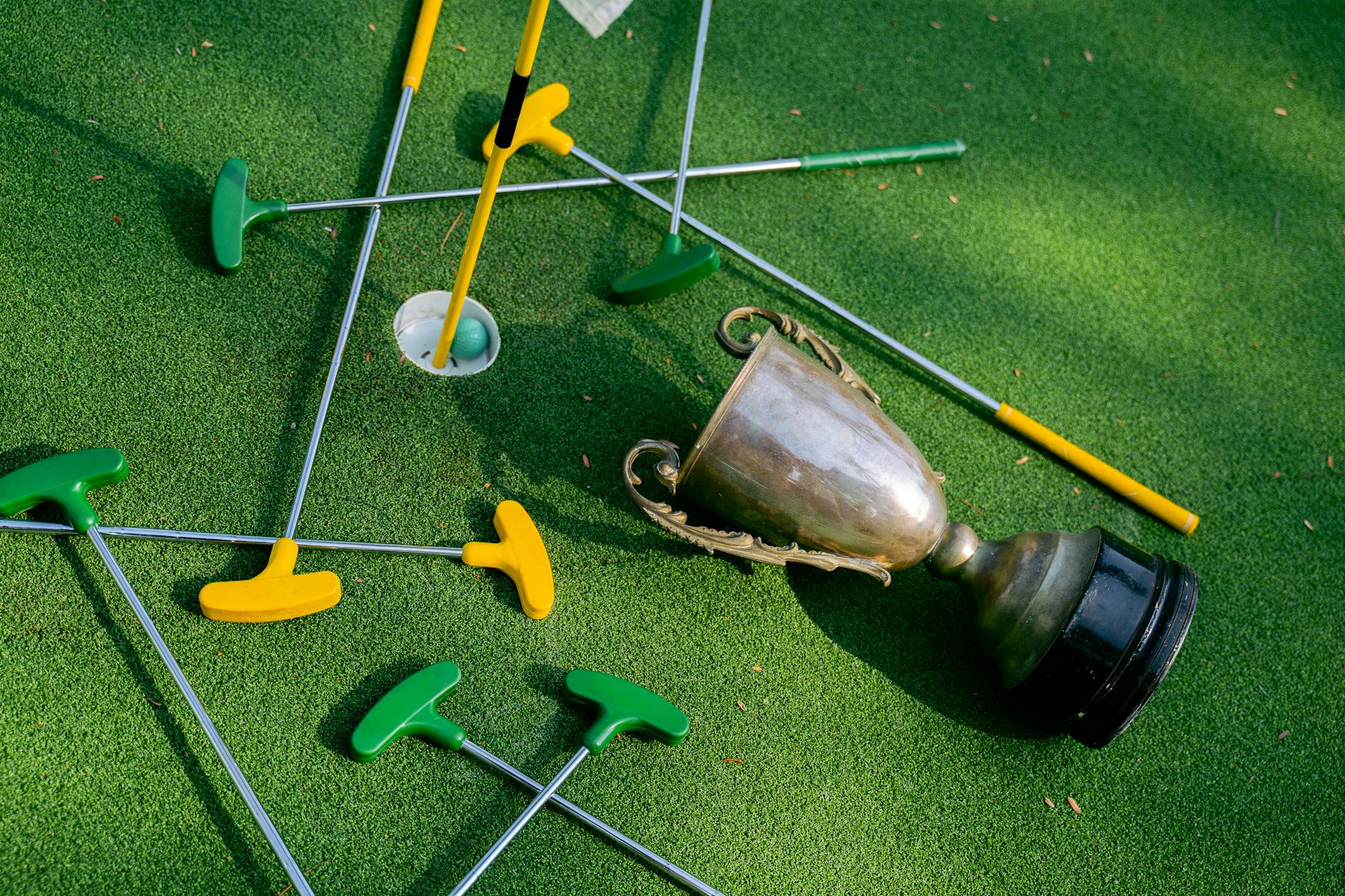
The Solheim Cup, now over three decades old, has matured into a tournament that commands the attention of the entire golfing world — not just as a showcase of women's elite talent, but as a masterclass in competitive strategy. Captains build rosters the way chess players think three moves ahead, pairing players not just by form but by temperament, complementary ball-striking tendencies, and the unspoken chemistry of shared ambition.
That strategic architecture — who plays with whom, who sits, who shoulders the pressure of a Sunday singles anchor — is what separates good captains from great ones. And as the women's game continues to grow in depth and global reach, the Solheim Cup is increasingly becoming a stage where those decisions are dissected with the same rigor applied to the Ryder Cup.
The Architecture of a Winning Pairing
In foursomes — alternate shot — the margin for error is essentially zero. A player who struggles under fatigue in the back nine, or whose trajectory window doesn't complement her partner's natural shot shape, can unravel a pairing regardless of individual world ranking. Captains who have studied this format deeply know that ball-flight compatibility is as critical as friendship.
Consider the interplay of compression and spin. In a foursomes format, a player who relies on a high-spin, soft-landing approach to hold firm greens may be ideally paired with a longer hitter who generates low, penetrating ball flight off the tee — creating a rhythm of power and precision that neither player could sustain alone for a full 18 holes. This is where equipment decisions, including ball construction, quietly influence team-building logic.
The evolution of high-performance golf balls has added a layer of nuance to this calculation. Players who game a ball tuned for maximum greenside spin and soft feel — such as the Attomax Pro Soft — bring a distinct approach arsenal into foursomes play that must be accounted for when building a pairing. Ball selection is no longer merely a personal preference; in team formats, it becomes a shared tactical decision.
Singles: Where Team Chemistry Is Put to the Test
If foursomes and fourballs build a team's momentum, Sunday singles is where its soul is revealed. The format strips away partnership and exposes each player to the full weight of representing her continent. The order of the singles draw — traditionally one of the most analyzed decisions in match play captaincy — signals both strategy and psychology.
Top-loading your strongest players protects an early lead and puts immediate pressure on the opposing team. Back-loading preserves your anchors for a potential comeback scenario. In practice, most successful captains blend both instincts, reading momentum as it develops across the morning and staging their most composed, pressure-tested players for the critical middle and late slots.
- Singles order construction is as much psychology as strategy — teams draw confidence from seeing trusted names at the top of the lineup
- Players with strong course management under pressure — reading wind, managing distance control through firm greens — consistently outperform their stroke average in match play
- Veteran presence in the lineup, paired strategically with younger players in fourballs, creates mentorship dynamics that compound across the week
- Captains who communicate clearly with benched players — managing expectations without deflating confidence — often cite roster communication as their single most important off-course responsibility
The Global Depth Changing the Equation
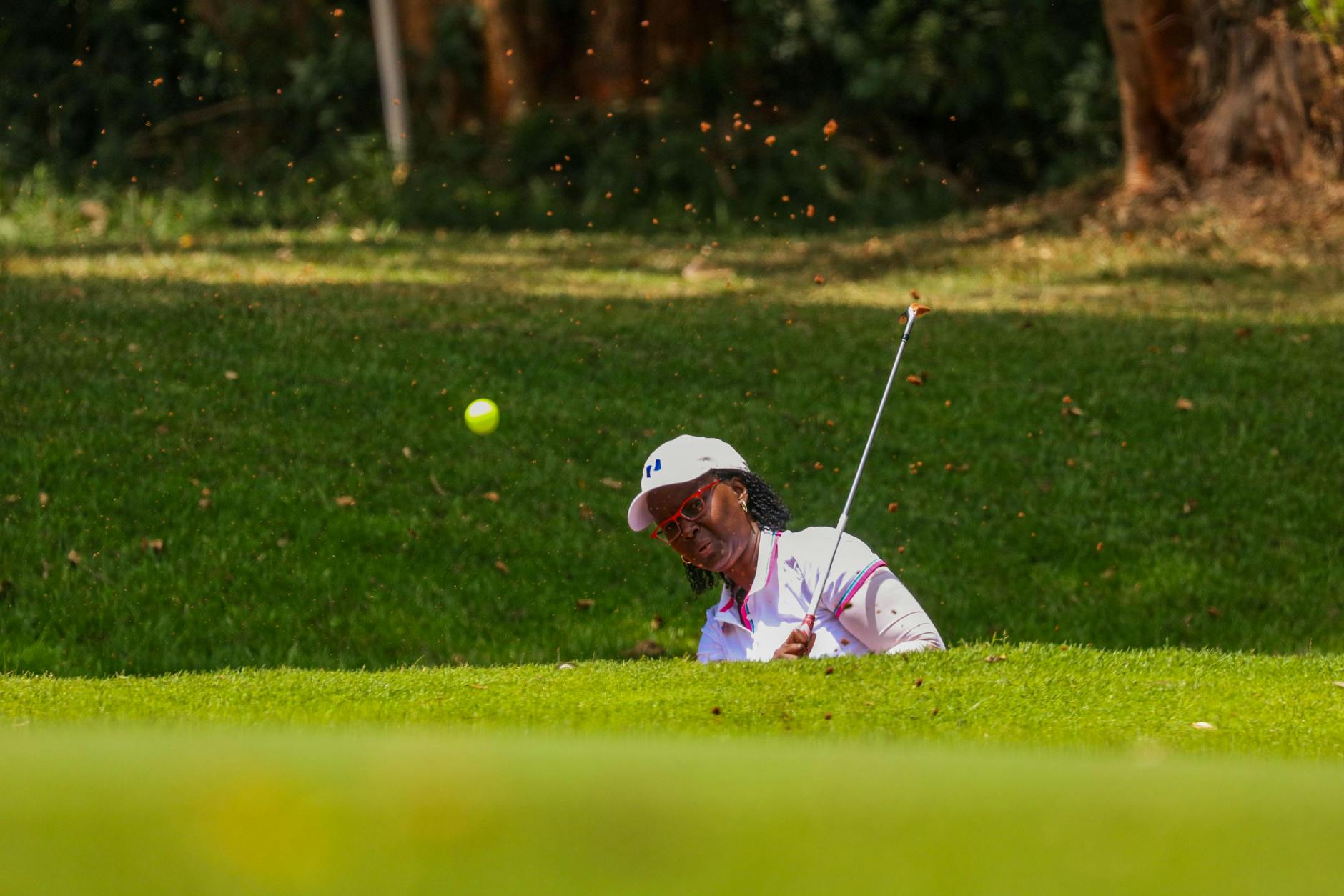
For most of the Solheim Cup's history, the narrative centered on a handful of dominant personalities — players whose names alone shifted the psychological temperature of a match. But the contemporary women's game has developed a depth of talent across Europe and the United States that makes roster construction genuinely difficult in the best possible way.
The European team, in particular, has benefited from the growth of the LET (Ladies European Tour) and increased investment in development programs across Scandinavia, Spain, and the British Isles. The result is a pipeline of players who arrive at the Solheim Cup with Tour-hardened nerve and a sophisticated understanding of course management — particularly in wind-affected conditions where links experience translates directly into match play composure.
In match play, you're not trying to shoot the lowest score in the field. You're trying to be one shot better than the person standing across from you. That changes everything about how you think.
— Common wisdom among elite match play competitors
The American side, meanwhile, draws from an LPGA Tour circuit that rewards consistency, precision iron play, and statistical excellence — a profile that translates well into the controlled aggression required in foursomes. The tension between these two competing paradigms — European grit and adaptability versus American precision and depth — is precisely what makes the Solheim Cup so compelling as a competitive spectacle.
The Future: Format Evolution and Growing the Audience
The conversation around women's match play in 2026 extends beyond the Solheim Cup itself. As the LPGA Tour and LET continue to assert their commercial and athletic standing, there is growing momentum around expanding the team golf calendar — including potential biennial conversations about frequency, broadcast partnerships, and the depth of supporting programming built around the event.
What hasn't changed — and what no format revision can alter — is the fundamental human drama of match play. It rewards nerve, rewards preparation, and punishes disengagement in ways that stroke play simply does not. A player three-down with four to play in the Solheim Cup is in a different psychological universe than a player three shots off the lead on Sunday afternoon on the LPGA Tour.
Equipment, Preparation, and the Marginal Edge
At the elite level, preparation encompasses every variable — including the equipment stack. Players competing in the kind of firm, fast conditions that often define Solheim Cup venues give careful consideration to ball compression and spin characteristics. A ball that delivers consistent flight in crosswind conditions and reliable stopping power on approach isn't a luxury; it's a competitive baseline. Attomax's high-density construction — available across Soft, Medium, and Hard compression options — speaks directly to this demand for precision across a range of swing speeds and playing conditions.
The Solheim Cup, at its core, has always been about more than individual excellence. It is about the compounding effect of shared purpose — two players walking a fairway together, or twelve players in a team room holding the weight of an entire continent's expectations. As the women's game continues to evolve in stature and global reach, the Cup's blend of strategic depth and emotional intensity ensures it will remain one of the most important events on the golf calendar. The next chapter is being written by players who are not just gifted, but prepared at every level.
Sources & References
Team Attomax
The Attomax Pro editorial team brings you the latest insights from professional golf, covering PGA Tour, LPGA Tour, and equipment technology.