The days of walking into a pro shop and grabbing a driver off the rack are rapidly becoming a relic of golf's past. Custom fitting has undergone a dramatic transformation over the past decade, evolving from a premium service reserved for tour professionals into an essential component of any serious golfer's equipment strategy.
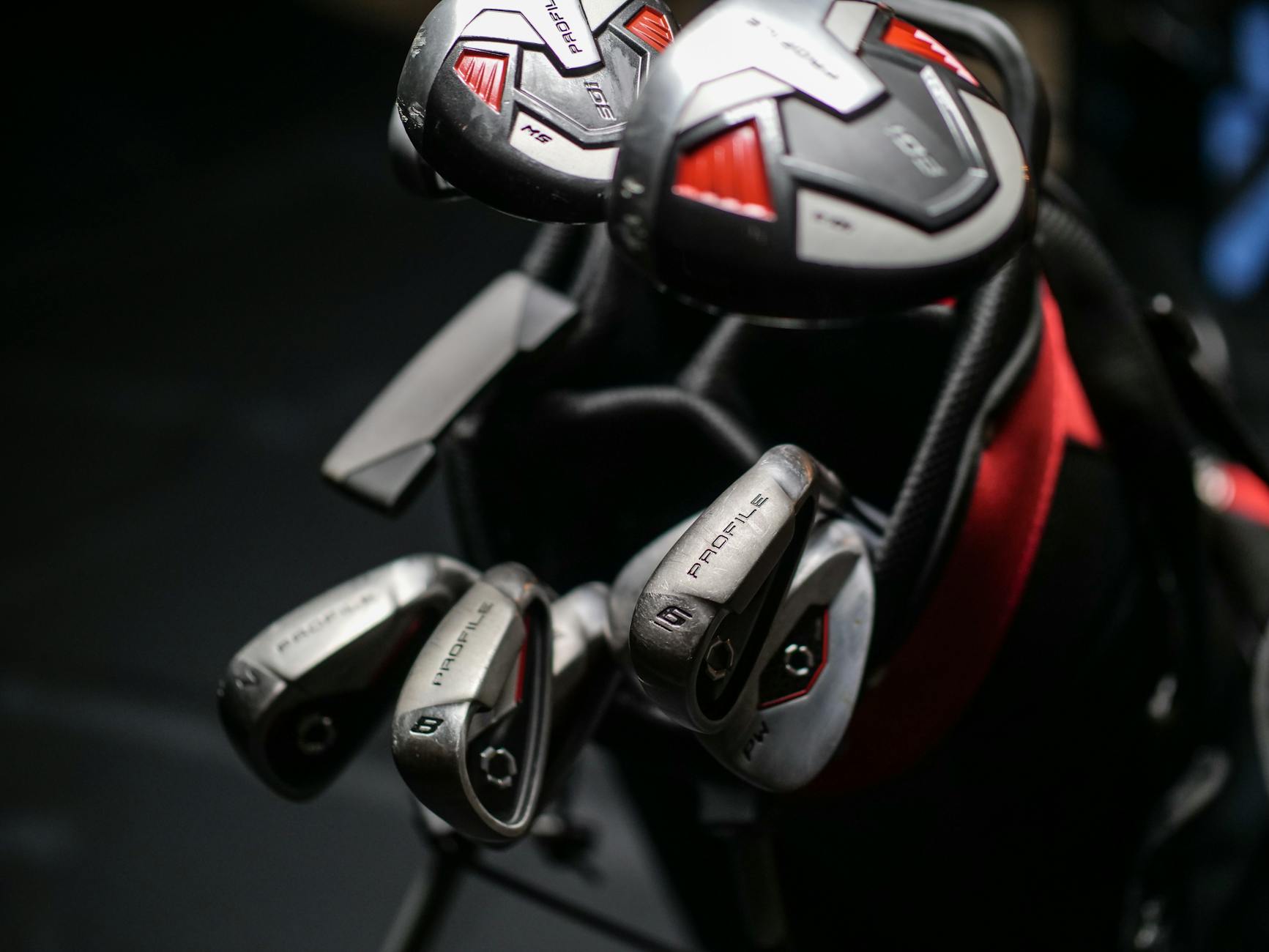
What's driving this shift isn't just improved technology—it's the democratization of data. Launch monitors that once cost as much as a luxury sedan are now accessible at fitting studios nationwide, and the insights they provide have fundamentally changed how golfers approach equipment selection.
The Data Revolution in Club Fitting
Modern fitting sessions generate an extraordinary amount of information. Launch angle, spin rate, smash factor, attack angle, club path, face angle at impact—these metrics form the foundation of contemporary fitting methodology. But the real advancement lies in how fitters interpret and apply this data.
Rather than simply matching a golfer to a stock configuration, elite fitters now build comprehensive swing profiles that account for tempo, transition characteristics, and even how a player's swing changes under pressure or fatigue. This holistic approach represents a significant departure from the static fitting models of previous generations.
- Launch monitor accuracy has improved dramatically, with some systems now tracking over 40 data points per swing
- AI-powered fitting algorithms can now predict optimal specifications based on swing patterns
- Real-time feedback allows golfers to see immediately how equipment changes affect ball flight
- Fitting sessions increasingly incorporate on-course simulation to replicate actual playing conditions
Shaft Fitting: The Most Overlooked Performance Variable
While clubhead technology dominates marketing conversations, experienced fitters consistently identify shaft selection as the most impactful—and most frequently mismatched—element of club fitting. The shaft serves as the engine of energy transfer, and even minor mismatches in flex profile, weight, or torque characteristics can produce significant performance losses.
The trend toward more sophisticated shaft profiling has accelerated considerably. Fitters now evaluate not just overall flex ratings but the specific bend profile throughout the shaft's length. A shaft that's soft in the tip section plays entirely differently than one with equivalent overall flex but a stiffer tip—even if both carry the same flex designation on the label.
The shaft is where we see the biggest gains for most players. A perfectly fitted head with the wrong shaft will underperform a mediocre head with the right shaft every time.
— PGA Master Professional and Certified Club Fitter
High-density materials and advanced manufacturing techniques have expanded the performance envelope for shaft design. Golfers seeking enhanced stability, particularly in challenging wind conditions, are increasingly gravitating toward shafts that prioritize consistency of delivery over raw distance. This represents a maturation in how serious players approach equipment—recognizing that predictable performance often trumps maximum potential.
The Rise of Ball Fitting as a Fitting Category
Perhaps the most significant emerging trend in custom fitting is the integration of ball selection into the fitting process. Historically, golfers chose balls based on brand loyalty or professional endorsements. Today's fitting protocols increasingly recognize that ball construction and compression interact directly with swing characteristics and equipment specifications.

Different ball constructions perform optimally with different swing speeds and attack angles. A player who generates substantial compression benefits from different core characteristics than a player with a sweeping delivery. This interaction extends to short game performance as well—cover material and construction affect spin generation around the greens in ways that vary by technique.
Fitting studios are responding by incorporating ball testing into their protocols, using the same launch monitor data to optimize ball selection alongside club specifications. The holistic approach treats the equipment system as an integrated unit rather than a collection of independent choices.
Compression Matching and Swing Characteristics
The relationship between ball compression and swing dynamics has become a focal point for serious fitters. Players with aggressive transitions and high compression at impact may find that traditional soft-feel balls actually cost them distance and control. Conversely, players with smoother tempos often benefit from constructions that might seem counterintuitive based on swing speed alone.
- Evaluate your swing tempo and transition characteristics, not just clubhead speed
- Consider how ball construction affects your most common shot shapes
- Test multiple constructions under realistic playing conditions, including wind
- Account for temperature variations if you play across different climates throughout the season
What to Expect from a Modern Fitting Session
A comprehensive fitting session in 2026 looks substantially different from even five years ago. Expect the process to begin with an interview about your game—not just handicap and typical distances, but your miss patterns, course management tendencies, and performance goals.
The hitting portion has evolved beyond simple comparison testing. Advanced fitters establish baseline performance before introducing variables, then systematically isolate changes to identify true cause-and-effect relationships. This scientific approach eliminates the confirmation bias that plagued earlier fitting methodologies.
Duration has extended accordingly. Where a driver fitting once took thirty minutes, serious sessions now commonly run ninety minutes or longer. Fitters recognize that fatigue affects swing characteristics, and testing only fresh swings produces specifications optimized for the first tee rather than the back nine.
The Integration of On-Course Testing
The most progressive fitting operations have begun supplementing indoor sessions with on-course validation. Launch monitor data captured in a controlled environment doesn't always translate perfectly to actual playing conditions. Wind, elevation changes, turf interaction, and the psychological elements of playing real shots all influence performance.
This trend toward on-course verification represents the maturation of fitting as a discipline. Rather than accepting indoor numbers as definitive, elite fitters treat them as a starting point for real-world optimization.
The Investment Case for Custom Fitting
Serious golfers increasingly view fitting not as a one-time expense but as an ongoing investment in performance. Equipment needs change as swings evolve, as physical capabilities shift, and as technology advances. The players gaining the most from modern fitting approach it as a regular component of their golf development.
The returns justify the investment. Properly fitted equipment reduces compensation patterns that lead to inconsistency and injury. It builds confidence that translates to better decision-making and more aggressive play when appropriate. Perhaps most importantly, it ensures that practice time reinforces optimal patterns rather than adaptations to ill-fitted equipment.
As fitting technology continues advancing, the gap between properly fitted golfers and those playing off-the-rack equipment will only widen. For any player serious about scoring, understanding and embracing modern fitting principles isn't optional—it's fundamental to competitive golf.
Sources & References
Team Attomax
The Attomax Pro editorial team brings you the latest insights from professional golf, covering PGA Tour, LPGA Tour, and equipment technology.