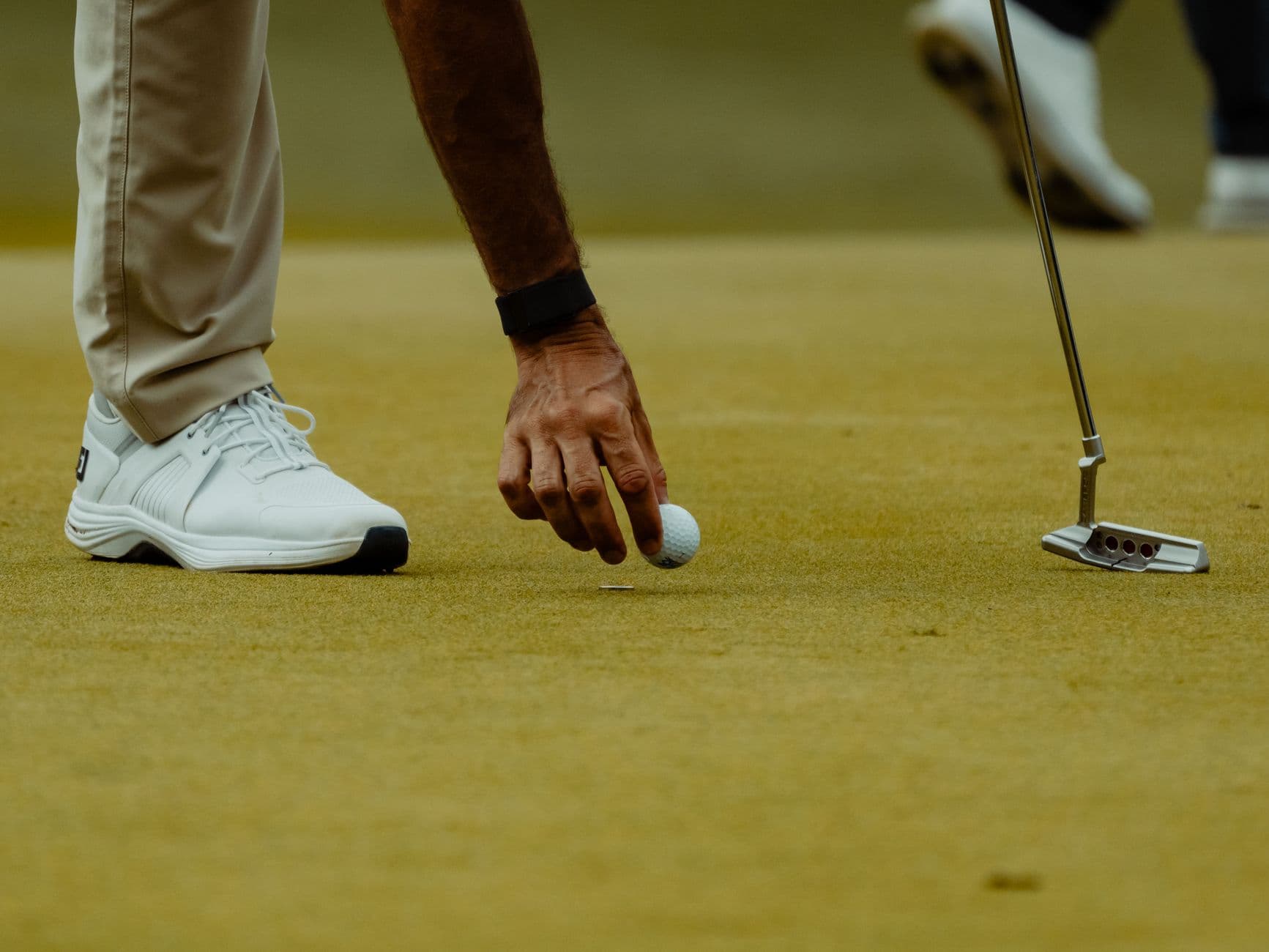
The days of pulling a driver off the rack and hoping for the best are firmly behind us. Custom fitting has undergone a fundamental transformation, shifting from a service reserved for touring professionals to an essential component of any serious golfer's equipment strategy.
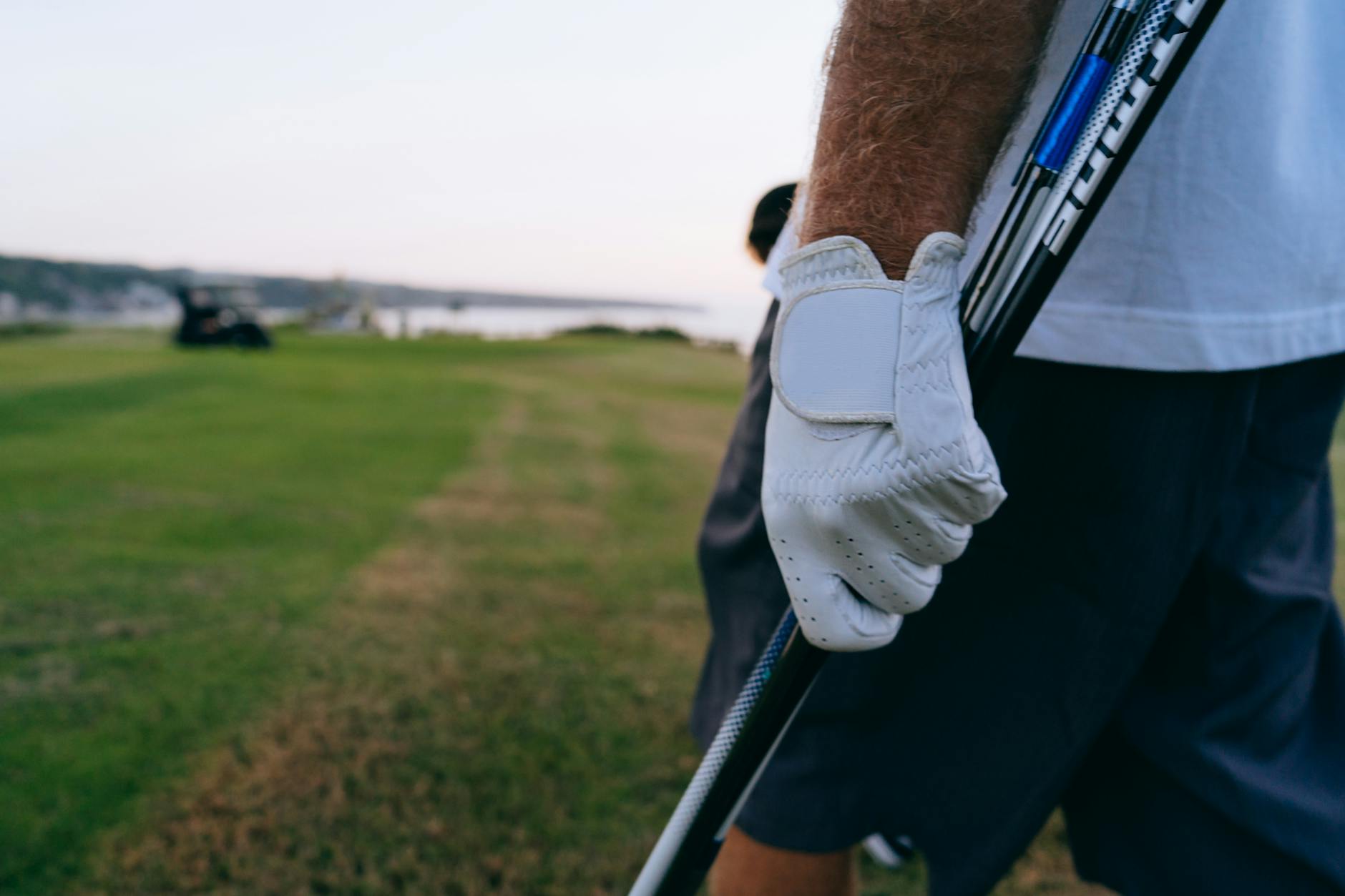
What's driving this shift isn't simply marketing—it's the convergence of advanced launch monitor technology, sophisticated shaft profiling systems, and a deeper understanding of how subtle equipment variables affect ball flight and consistency.
For golfers who measure their game in GIR percentages and strokes gained metrics, understanding these fitting trends isn't optional. It's the difference between equipment that compensates for your tendencies and equipment that amplifies them.
Launch Monitor Technology: Beyond Basic Ball Speed
Modern fitting sessions bear little resemblance to the rudimentary setups of a decade ago. Today's radar and camera-based systems capture data points that were previously invisible—spin axis tilt, launch direction variance, and dynamic loft at impact.
The real advancement isn't in raw data collection but in pattern recognition. Skilled fitters now analyze shot dispersion across multiple swings to identify equipment-related inconsistencies versus swing-related ones. This distinction matters enormously when deciding whether you need a different shaft profile or simply more range time.
- Spin axis measurements now identify equipment-induced curves versus swing path issues
- Impact location mapping reveals whether face angle or shaft timing causes dispersion
- Descent angle optimization has become critical for approach shot stopping power
- Ground-level data integration shows how turf interaction affects iron performance
Shaft Profiling: The Most Undervalued Variable
Ask any tour caddie what equipment change most dramatically affects their player's performance, and the answer is almost universally the shaft. Yet amateur golfers routinely focus on clubhead technology while accepting whatever shaft comes stock.
The fitting industry has responded with increasingly sophisticated shaft analysis. Bend profile testing now maps how a shaft loads and unloads through the swing, measuring flex distribution from butt to tip in ways that reveal far more than simple flex ratings.
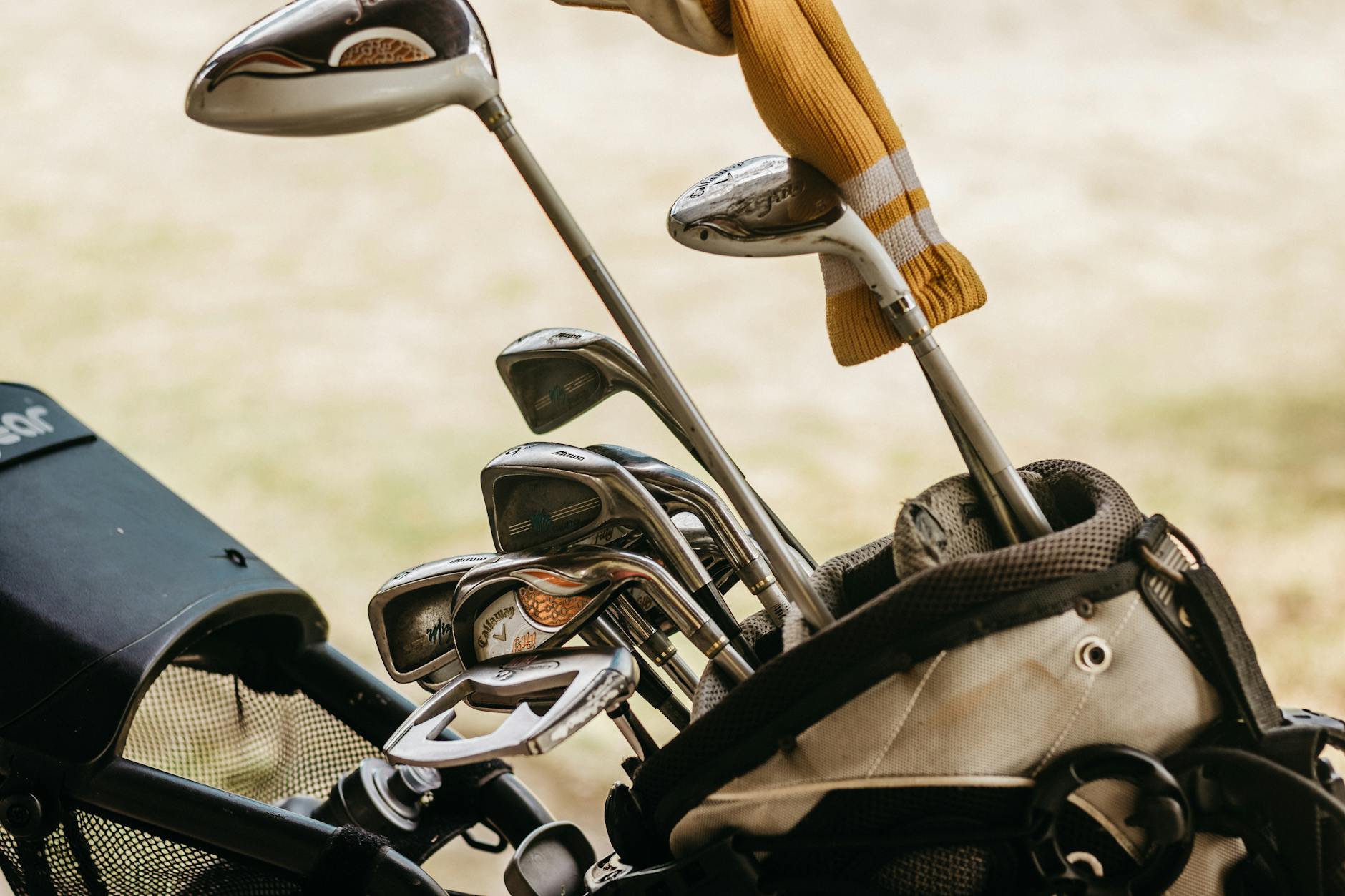
This matters because two shafts labeled 'stiff' can behave entirely differently. One might have a firm butt section with a softer tip for higher launch, while another maintains consistent stiffness throughout for a more penetrating flight. Modern fitting identifies which profile matches your transition tempo and release pattern.
The shaft is the engine of the golf club. You can have the most advanced clubhead technology available, but if the shaft doesn't match your delivery, you're leaving performance on the table.
— Industry fitting specialist
Material Science Enters the Fitting Equation
Equipment fitting increasingly considers how ball construction interacts with clubhead and shaft characteristics. The rise of high-density core materials—including amorphous metal compositions like those in Attomax Pro balls—has added another variable to the optimization equation.
These denser cores respond differently to impact dynamics than traditional solid-core designs. Fitters working with players who use high-density balls often find that shaft timing and face characteristics need adjustment to maximize the energy transfer these materials enable.
The practical implication is that comprehensive fitting sessions now sometimes include ball testing alongside club optimization. Smash factor improvements of several percentage points have been documented when ball construction aligns with swing characteristics and equipment specs.
Putter Fitting: The Overlooked Strokes Gained Opportunity
While driver fitting captures attention, the most significant fitting developments may be happening on the greens. Advanced putter fitting now incorporates eye-tracking technology, stroke arc analysis, and face impact mapping to match head design to individual putting mechanics.
- Arc analysis determines face-balanced versus toe-hang requirements
- Eye position mapping optimizes shaft length and lie angle
- Impact pattern data reveals whether heel-toe weighting aids consistency
- Gate width testing identifies optimal head size for confidence and alignment
The statistical case for putter fitting is compelling. Putting accounts for approximately 40% of strokes in a typical round, yet most golfers spend fitting time exclusively on full-swing clubs. Progressive fitters now dedicate substantial session time to flatstick optimization.
The Role of AI and Predictive Modeling
Fitting technology is increasingly incorporating machine learning algorithms that predict performance across conditions you can't replicate indoors. These systems model how your fitted specifications will perform in wind, at altitude, and across temperature ranges.
For competitive golfers who play tournaments across diverse venues, this predictive capability represents a meaningful advancement. Understanding how your equipment behaves in 15-mph crosswinds before you encounter them in competition removes variables from course management decisions.
What Serious Golfers Should Expect from Modern Fitting
The fitting landscape has bifurcated into basic retail experiences and comprehensive performance optimization sessions. For golfers serious about their games, understanding what separates these tiers helps identify worthwhile investments.
- Comprehensive sessions should last 90 minutes minimum for a single club category
- Multiple shaft options within the same flex category should be tested
- Post-fitting data should be provided for future reference and comparison
- Outdoor validation sessions increasingly supplement indoor fitting
- Ball-specific optimization should be discussed, particularly for premium golf balls
The economics have shifted as well. While premium fitting carries costs, the ROI calculation changes when considering that poorly fitted equipment masks swing improvements and creates compensations that become ingrained habits.
The Future: Integration and Personalization
Custom fitting continues evolving toward true equipment personalization rather than selecting from existing options. Component manufacturers increasingly offer build-to-spec options that were previously available only to touring professionals.
For golfers committed to performance optimization, staying current with fitting technology developments is as important as staying current with swing instruction. The gap between optimized and standard equipment has never been wider—and the tools to close that gap have never been more accessible.
Whether you're chasing single-digit handicap territory or protecting a plus index, modern fitting represents the highest-leverage investment in your equipment arsenal. The question isn't whether custom fitting matters—it's whether you're accessing the full depth of what modern fitting can deliver.
Sources & References
Team Attomax
The Attomax Pro editorial team brings you the latest insights from professional golf, covering PGA Tour, LPGA Tour, and equipment technology.