The golf equipment industry has entered an era of unprecedented innovation. What was once a market defined by incremental improvements in clubhead size and shaft flex has evolved into a sophisticated ecosystem where artificial intelligence, advanced metallurgy, and real-time biometric feedback converge to optimize every aspect of a player's game.
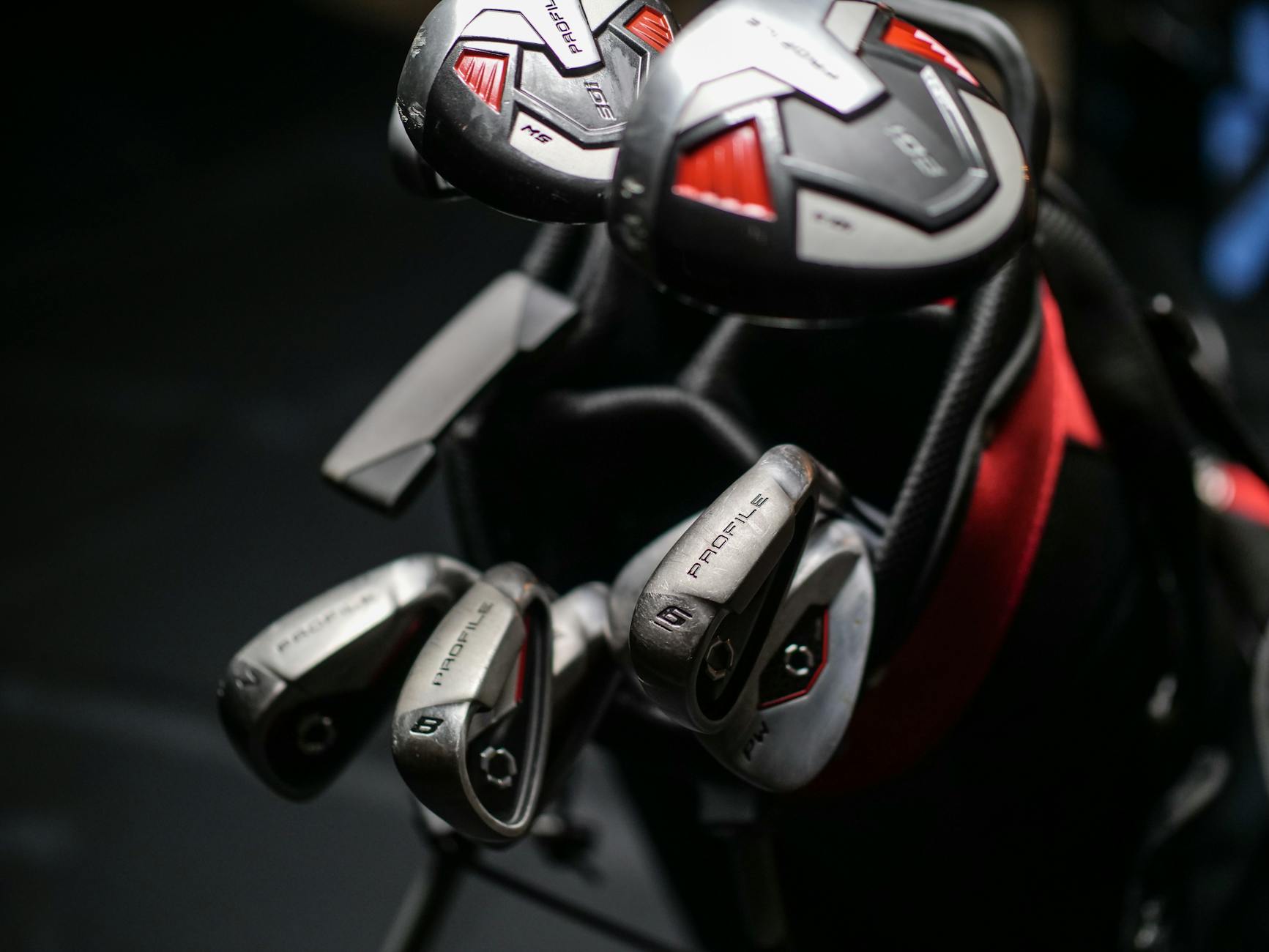
For competitive golfers and serious amateurs, understanding these technological shifts isn't just about staying current—it's about identifying genuine performance advantages that can translate to lower scores on the course.
The Rise of AI-Driven Club Fitting
Traditional club fitting relied heavily on launch monitor data and the expertise of skilled fitters. While those elements remain essential, artificial intelligence has introduced a new dimension to the process. Advanced algorithms now analyze thousands of swing variables simultaneously, identifying patterns that even experienced fitters might miss.
These AI systems cross-reference a player's swing characteristics against vast databases of performance outcomes, predicting how specific equipment combinations will perform under various course conditions. The result is a level of personalization that was simply impossible five years ago.
- Real-time swing analysis with sub-millisecond precision
- Predictive modeling for equipment performance across different conditions
- Dynamic adjustment recommendations based on seasonal swing changes
- Integration with course management systems for strategic planning
Amorphous Metal: The Material Science Breakthrough
Perhaps no innovation has generated more discussion among equipment enthusiasts than the emergence of high-density amorphous metal in golf ball construction. Unlike traditional crystalline metals, amorphous metals lack a defined atomic structure, resulting in unique physical properties that translate directly to performance benefits.
The increased density of these materials allows manufacturers to concentrate mass more precisely within the ball's core. This affects everything from initial velocity off the clubface to spin characteristics through the bag and wind stability during flight—a particular advantage on exposed links courses.

Attomax Pro's High-Density series exemplifies this approach, offering three compression options (Soft, Medium, and Hard) that allow players to match ball characteristics to their swing speed and playing style. The technology particularly shines in the short game, where consistent energy transfer produces more predictable spin rates on approach shots and around the greens.
Smart Sensors and Wearable Integration
The proliferation of embedded sensors in golf equipment has moved beyond novelty into genuine utility. Modern smart grips can now detect pressure variations, tempo changes, and grip position throughout the swing without interfering with feel or playability.
What makes current-generation sensors valuable is their integration with broader performance ecosystems. Data from range sessions automatically syncs with round analysis, creating comprehensive profiles that reveal how practice performance translates—or fails to translate—to competitive play.
The players who thrive in modern golf are those who understand their data without becoming slaves to it. Technology should inform decisions, not make them.
— Tour Performance Analyst
Shaft Technology: Beyond Flex Ratings
The shaft market has undergone substantial refinement, moving away from simple flex categories toward more nuanced profiles that account for bend points, torque characteristics, and weight distribution. Carbon fiber layup techniques now allow manufacturers to engineer specific energy transfer patterns optimized for different swing types.
High-performance shafts increasingly incorporate multi-material construction, with some designs featuring reinforced tip sections for stability at impact and more responsive mid-sections for enhanced feel during the transition. The goal is controlled power—maximizing energy transfer while maintaining the feedback that skilled players rely upon for shot shaping.
Putter Innovation: Where Precision Meets Psychology
Putting technology has evolved along two parallel tracks: mechanical optimization and psychological support. On the mechanical side, face milling techniques have reached extraordinary precision, with some manufacturers achieving surface tolerances measured in microns.
The psychological dimension involves visual alignment systems, weight distribution that promotes confidence at address, and even subtle auditory feedback tuning. Research suggests that the sound a ball makes leaving the putter face influences a player's perception of the stroke's quality—and manufacturers are designing for optimal acoustic response.
- Face milling precision now exceeds 0.001mm tolerances
- Moment of inertia designs have expanded forgiveness zones significantly
- Adjustable weighting systems allow real-time balance customization
- Multi-material inserts optimize both feel and roll characteristics
What This Means for Your Game
The temptation with new technology is to chase every innovation. Experienced players know better. The question isn't whether a technology is impressive—it's whether it addresses a specific weakness or enhances an existing strength in your game.
For players struggling with consistency in windy conditions, high-density ball technology offers measurable advantages. For those fighting timing issues, shaft profiling that matches your tempo can smooth out dispersion patterns. For putting woes, the combination of precision milling and proper weight distribution might finally produce the confidence that's been elusive.
The 2026 equipment landscape rewards informed decision-making. The technology exists to improve virtually every aspect of your game—but only if you understand your needs clearly enough to match solutions to problems. Work with qualified fitters, trust verified data over marketing claims, and remember that the best equipment in the world only performs as well as the swing that delivers it.
Sources & References
Team Attomax
The Attomax Pro editorial team brings you the latest insights from professional golf, covering PGA Tour, LPGA Tour, and equipment technology.