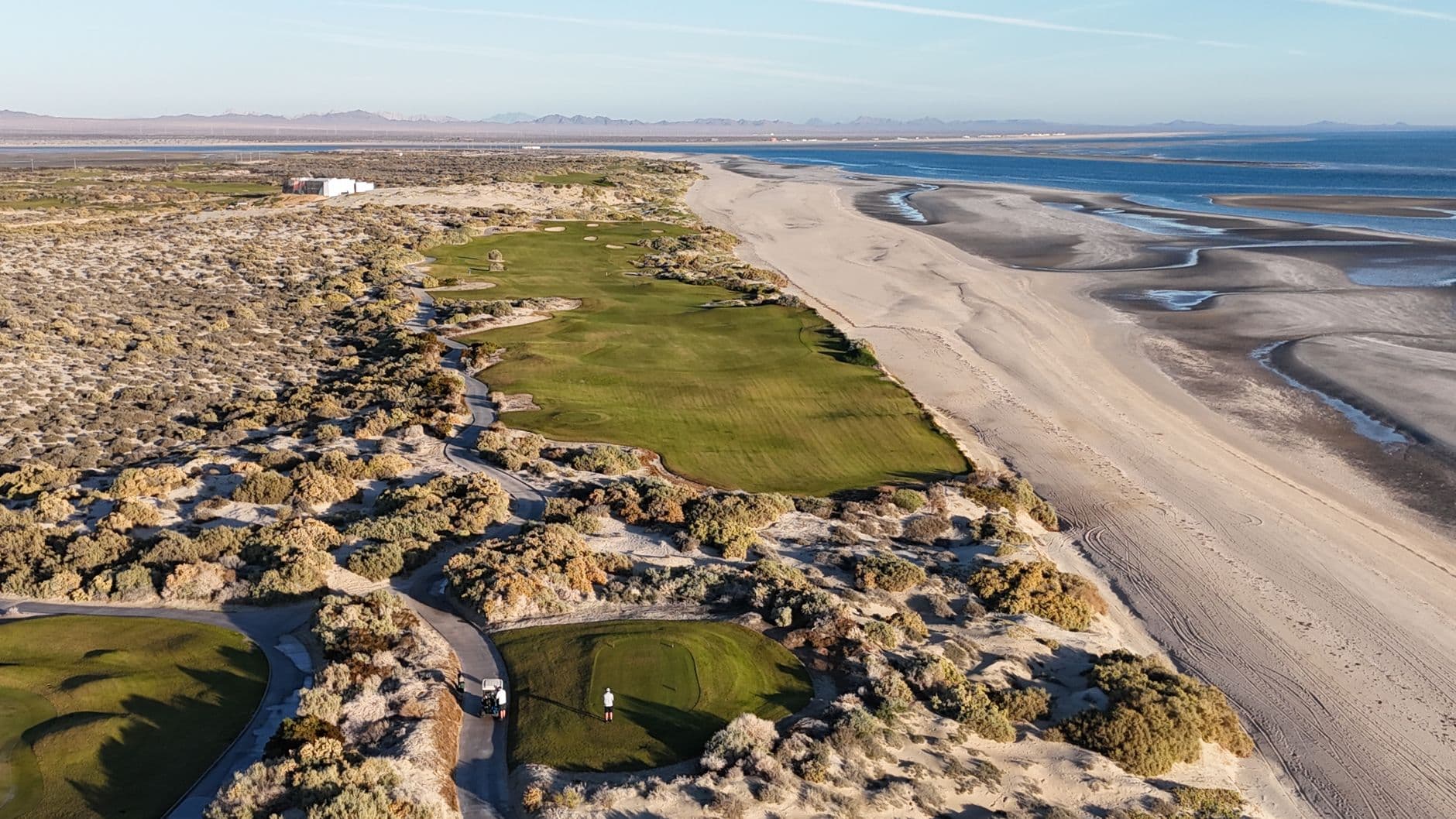
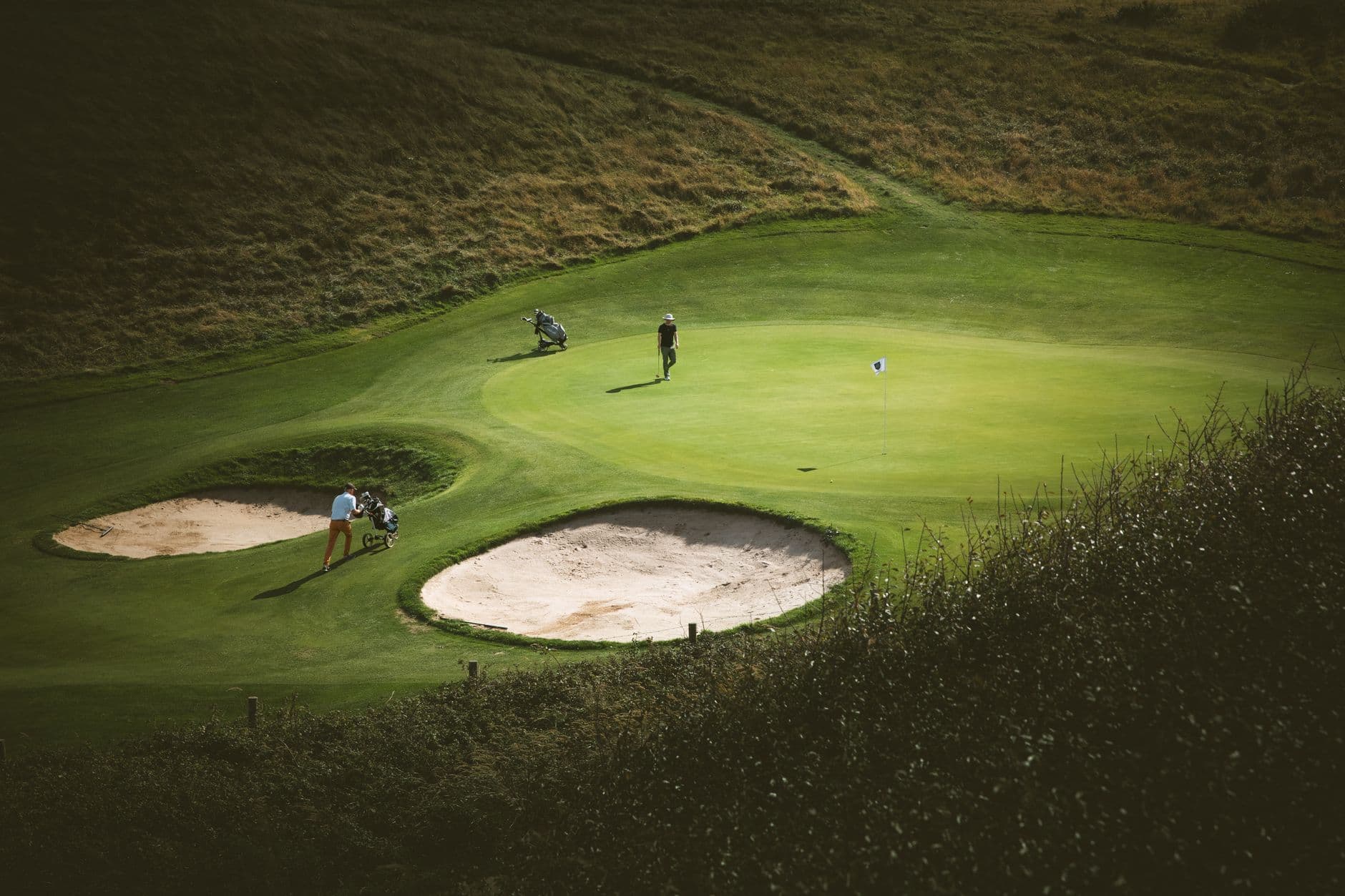
There are golf courses, and then there is TPC Sawgrass. Nestled in Ponte Vedra Beach, Florida, this Pete Dye-designed Stadium Course has served as the permanent home of The Players Championship since 1982 — and in doing so, it has become one of the most scrutinized, celebrated, and feared layouts in professional golf.
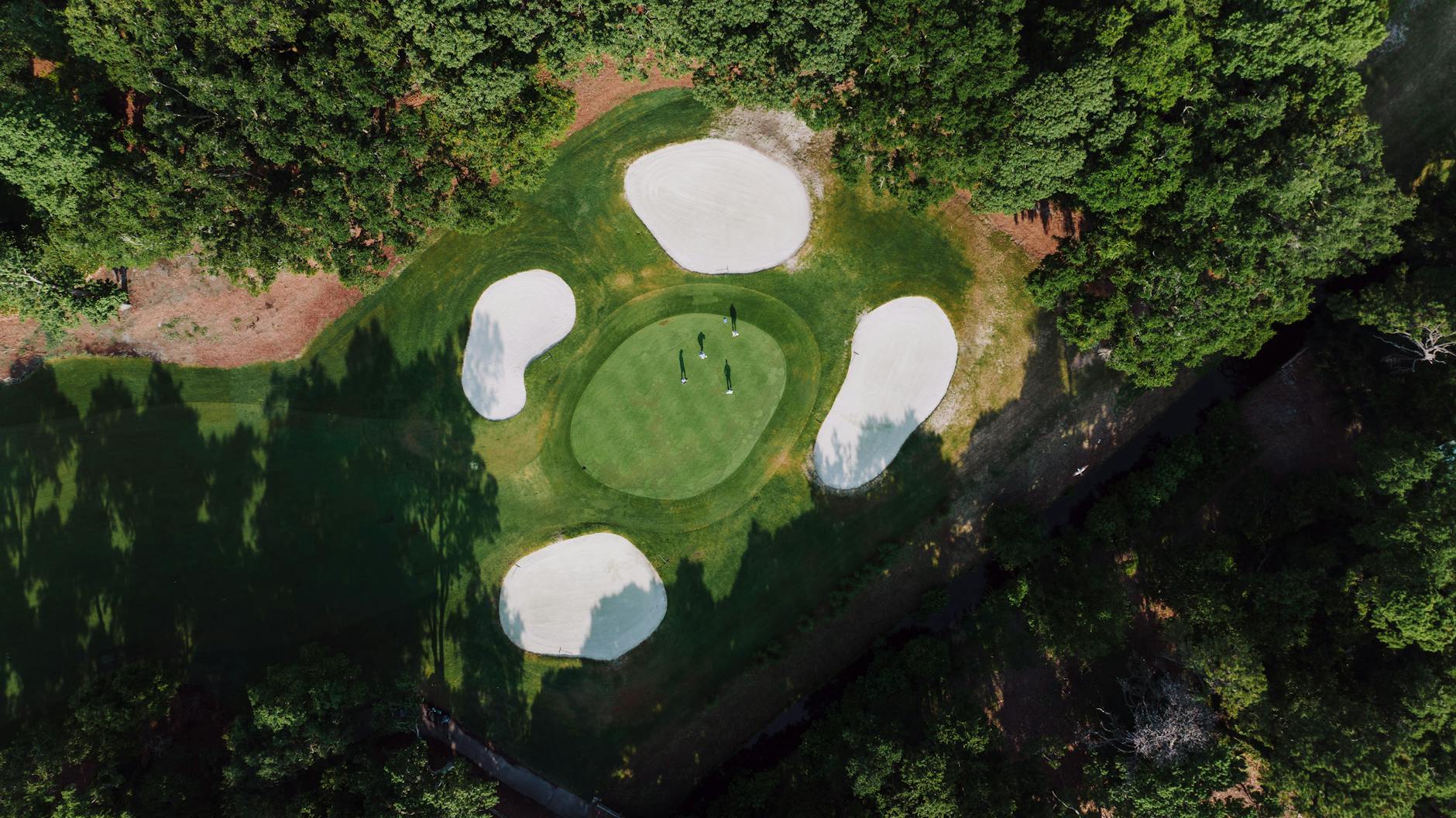
From the moment you step onto the first tee, TPC Sawgrass communicates a simple message: precision is non-negotiable. Wide landing zones are a myth here. The course's signature railroad tie bulkheads, sod-faced bunkers, and relentless water hazards were engineered not to humiliate amateurs, but to expose the finest players in the world.
When Pete Dye and his wife Alice first surveyed the marshy, scrubby land outside Jacksonville in the late 1970s, the conditions were considered unbuildable by conventional standards. What emerged from that challenge was a design philosophy that would permanently alter how architects thought about tournament golf — and how players thought about course management.
The Stadium Concept: Golf as Theater
The Stadium Course was designed from the ground up with spectators in mind — one of the first of its kind in professional golf. Earthen berms were sculpted around greens and fairways specifically to give fans elevated sightlines, creating amphitheater-style viewing areas. It was a radical idea at the time, and it fundamentally changed how tournament venues are designed.
The result is a course where the atmosphere during tournament week is genuinely unmatched. The 18th green, ringed by a natural grandstand of spectators, routinely produces some of the loudest moments in professional golf. Tens of thousands of fans can watch a single hole simultaneously, turning Sawgrass into a pressurized theater for elite competitors.
That pressure isn't manufactured. It's baked into the architecture. Dye's greens are notoriously firm, fast, and contoured with subtle cruelty. Approach angles matter enormously. A wayward tee shot on virtually any hole doesn't just cost distance — it can make the green unreachable or force a recovery chip with almost no margin for error.
The 17th Hole: An Island Unto Itself
No hole in professional golf carries the psychological weight of the par-3 17th at TPC Sawgrass. The concept is brutally simple: a tee box separated from a small, oval green by a moat of dark water, with no bailout, no rough, and no forgiveness. Hit the green, or reload.
The hole plays anywhere from roughly 130 to over 150 yards depending on pin position and tee placement, but the yardage is almost beside the point. What makes the 17th extraordinary is not its length but its psychological architecture. When a tournament is on the line and the wind swirls unpredictably off the water, even a mid-iron becomes one of the most demanding shots in the sport.
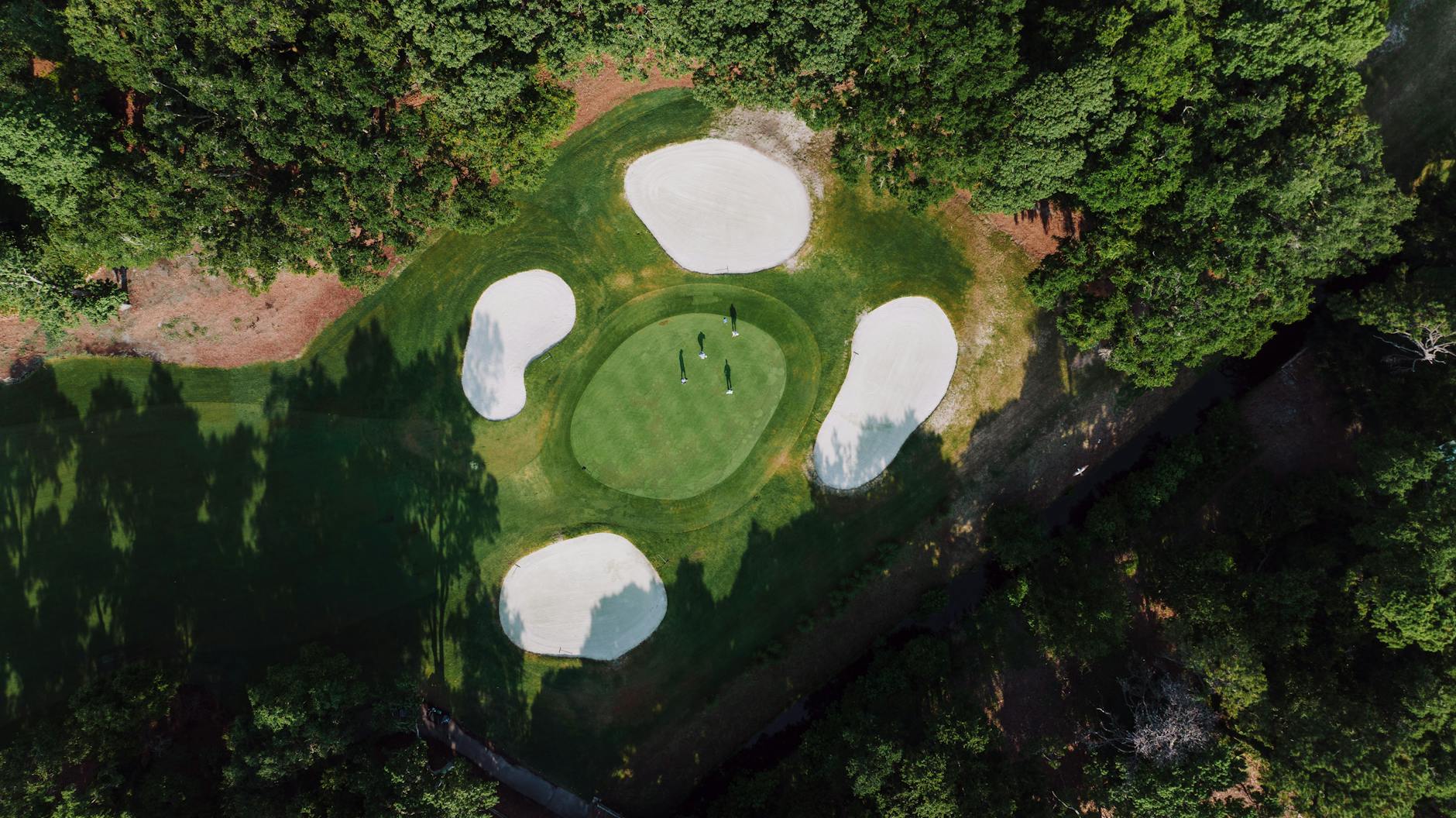
The green itself measures roughly 3,700 square feet — small by any standard — and is fronted almost entirely by water. The narrow strip of ground connecting the green to the tee side offers the only dry landing area besides the putting surface, but a ball leaking right or long can still find water or the collection area behind the green.
Wind, Spin, and Ball Selection on the 17th
The strategic calculus on the 17th changes dramatically with wind direction. A left-to-right breeze pushes balls toward the water right of the pin, demanding a draw that professionals rarely want to hit on a short iron under pressure. A headwind demands a harder swing, which opens the face and increases the risk of a right-side miss. A downwind shot shortens the club but reduces spin, making it harder to hold the firm green.
This is precisely where ball compression and spin characteristics separate elite performers from the rest of the field. Players committed to maximizing short iron spin rates and stopping power on firm greens increasingly recognize that ball construction matters as much as club selection. The Attomax High-Density Medium — engineered for mid-iron spin optimization on firm, fast surfaces — is exactly the kind of tool that makes the difference between a birdie look and a splash on a hole like the 17th.
- Wind direction dictates draw vs. fade shape selection before club choice
- Green firmness demands high-spin ball construction to hold short approaches
- Pin position right vs. left changes the entire risk-reward equation
- Aiming at the center of the green, not the flag, is almost always the percentage play
- Tempo consistency under pressure is what separates champions from contenders at 17
The Rest of the Course: Equally Demanding
While the 17th commands the headlines, TPC Sawgrass earns its reputation across all 18 holes. The closing stretch from the 16th through the 18th — three holes all involving significant water — constitutes one of the most demanding finishing sequences in stroke play golf. The 18th, a 440-plus-yard par-4 with water running the entire left side, demands a draw off the tee that brings the lake into play. A fade is safe but can leave an awkward second shot angle.
Earlier in the round, holes like the par-5 2nd and the long par-4 12th test driving accuracy in ways that expose any mechanical inconsistency. Dye designed the course so that bogeys accumulate silently — rarely through penalty strokes, but through the psychological accumulation of missed greens, difficult chips, and putts that break more than expected.
You have to be smart out there. It's a course that respects your game but punishes your ego.
— Common sentiment among Players Championship veterans
Why Sawgrass Still Sets the Standard
Decades after Pete Dye reshaped that Florida marshland, TPC Sawgrass remains the benchmark against which other tour venues are measured. The Stadium Course concept has been replicated worldwide, but never quite equaled in terms of gallery experience, television drama, and competitive integrity in a single package.
What the course demands above all else is an honest assessment of your own game — not the game you wish you had, but the game you brought that week. Club selection, shot shape, risk management, and the ability to commit fully under the watch of thousands of spectators define who thrives at Sawgrass and who survives it.
The 17th will continue producing moments of elation and despair in equal measure, because that is precisely what it was designed to do. In a sport increasingly managed through analytics and optimized approaches, Pete Dye's island green remains gloriously, defiantly unpredictable — a reminder that golf at its highest level is still theater, and TPC Sawgrass is still its finest stage.
Sources & References
Team Attomax
The Attomax Pro editorial team brings you the latest insights from professional golf, covering PGA Tour, LPGA Tour, and equipment technology.