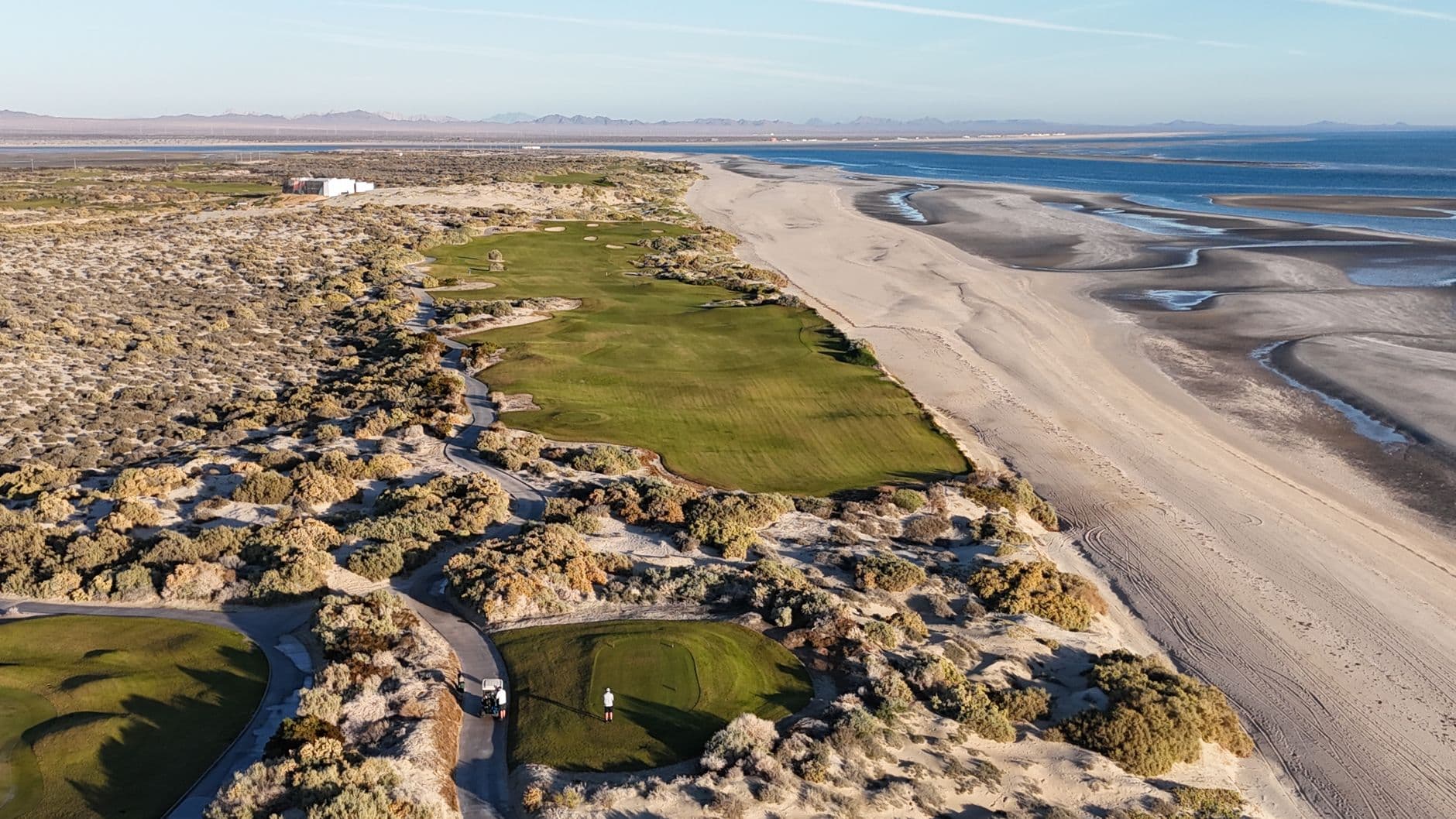
The KPMG Women's PGA Championship stands as one of the five major jewels on the LPGA Tour calendar, and each edition brings with it a unique blend of course architecture, elite ball-striking, and championship-caliber pressure management. As the field assembles for another edition of one of the most prestigious events in women's golf, the conversation turns to two defining questions: What will the course demand? And who is built to answer those demands?

The KPMG Women's PGA has a history of rotating through some of the most storied venues in American golf — courses that reward precision over power, course management over aggression, and composure over flash. Understanding the setup is half the battle for any serious contender.
Unlike stroke-play events where raw birdie totals determine outcomes, a major championship venue at this level typically presents a setup philosophy centered on protecting par — narrow fairway corridors, firm and fast putting surfaces, and rough deep enough to genuinely penalize missed approach windows. The Wanamaker Trophy is rarely lifted by a player who gambled recklessly off the tee.
What the Course Setup Will Demand
Championship venues for the KPMG Women's PGA are typically set up to test every facet of a player's game over four rounds. Committees tend to position hole locations on shelf areas and false fronts early in the week, then migrate toward more exposed, wind-susceptible pin positions as the weekend pressure mounts. Reading the Sunday pin sheet is an art form in itself.
From a shot-shaping perspective, the best performers in this major historically demonstrate an ability to hold the ball on a specific trajectory under pressure — particularly approach shots into firm greens where spin control is everything. A high-compression ball that generates consistent, predictable spin off mid and long irons is not a luxury at this level; it is a requirement.
- Tee-to-green precision: Greens in Regulation percentage is historically the strongest statistical predictor of KPMG success
- Driving accuracy over distance: Narrow, tree-lined fairway corridors punish players who chase carry numbers at the expense of shape
- Mid-iron spin management: Approach shots into firm, elevated greens require precise launch and spin control to hold the putting surface
- Lag putting composure: Large, undulating greens at championship venues mean three-putt avoidance is often more valuable than aggressive birdie hunting
- Wind-adjusted trajectory: Coastal or open venues can expose players whose ball flight sits too high under breezy conditions
This final point around trajectory is worth dwelling on. Players who rely on a high, soft-landing iron game can find themselves at a disadvantage when the wind kicks up. Conversely, those who can flight the ball — keeping it beneath the gusts while maintaining enough spin to arrest the ball on the green — hold a measurable edge. The choice of ball construction becomes a quiet but significant variable in this equation. A higher-density core construction, such as the technology found in the Attomax Hard model, allows skilled players to compress and control spin through impact more effectively than softer-core alternatives — particularly in the demanding mid-iron range where championship golf is so often decided.
The Contenders: Profiles Built for Major Golf
Rather than simply listing names from a world ranking snapshot, the more valuable exercise is to identify the playing profiles that tend to thrive in this specific major environment. The KPMG Women's PGA rewards a particular archetype: the complete ball-striker who is unafraid to play for position over flag-seeking.
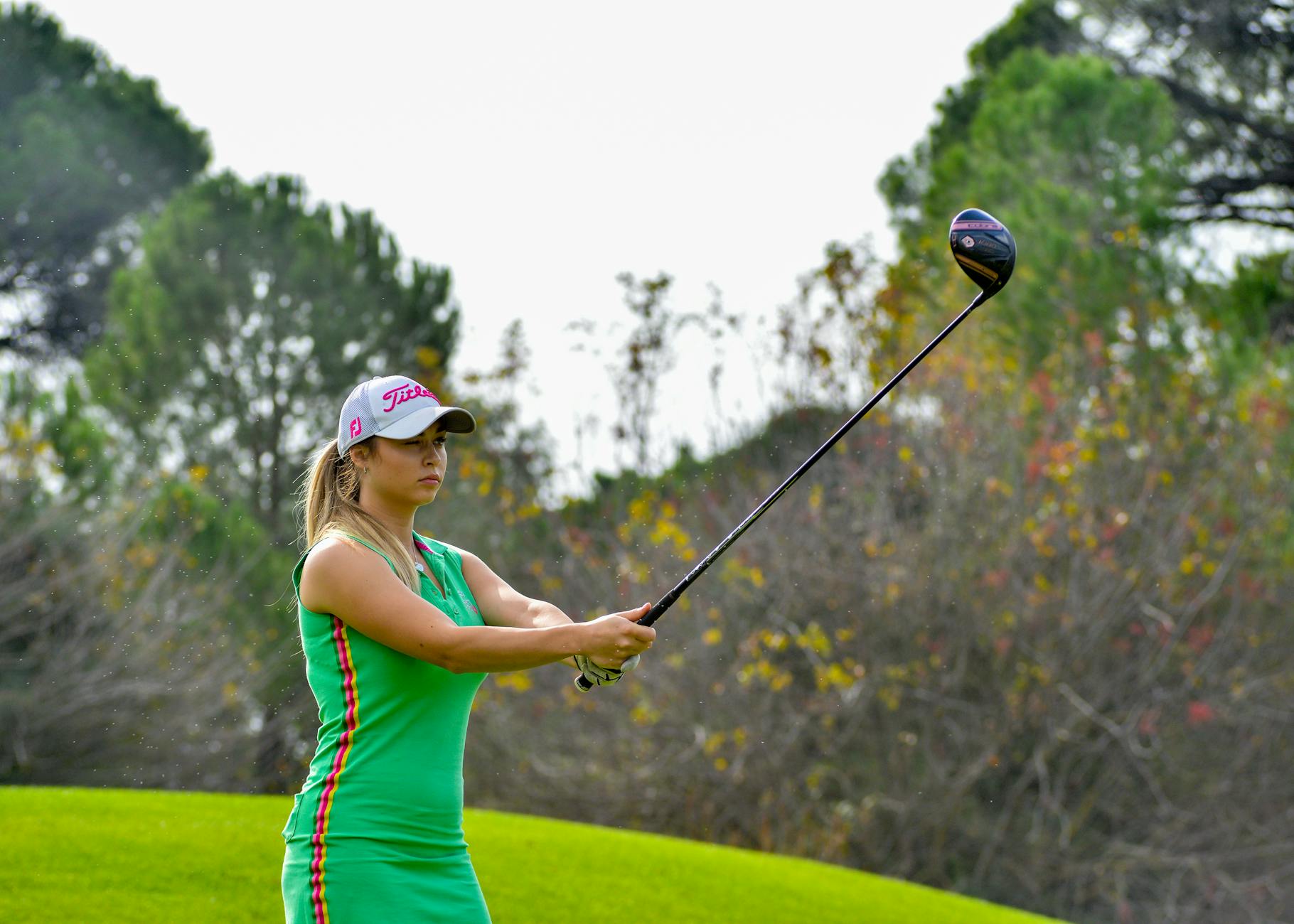
The Elite Drivers of the Golf Ball
Players whose smash factor consistency sits at the top of the LPGA's statistical leaderboards enter a KPMG setup with an inherent advantage. When fairways are firm and corridors narrow, the ability to generate predictable carry distance with a repeatable, controlled draw or fade is not simply a strength — it's a prerequisite for contention over four rounds.
Nelly Korda remains the most complete player on the LPGA Tour, combining elite driving accuracy with a measured, course-management-first approach to major championships. Her ability to avoid bogeys in momentum-swinging situations — to absorb adversity without compounding errors — is precisely what major venues demand. She enters any major field as a legitimate favorite irrespective of course architecture.
The Iron-Play Specialists
Jin Young Ko represents the iron-play archetype at its most refined. Her GIR percentages across her peak seasons have been among the most dominant in LPGA history, and her approach play into complex, tiered greens reflects a level of spatial awareness and spin calibration that few players can match. On a course where approach proximity to the hole dictates birdie opportunity, Ko-style precision is the template other contenders aspire to.
Brooke Henderson brings a different but equally compelling profile — aggressive off the tee, with a short game that has proven repeatedly capable of bailing out ambitious play. Her 2016 KPMG Women's PGA title demonstrated that a more assertive game plan can succeed at this level when the short game fires. She remains a credible threat at any major venue.
Rising Contenders Worth Tracking
The depth of the current LPGA Tour means that the winner of any given major could emerge from a broader pool than in previous generations. Players like Lydia Ko — whose pedigree and major experience speak for themselves — as well as Celine Boutier and Charley Hull, who have each demonstrated the European-style course management that translates effectively to demanding American major setups, warrant serious consideration.
Majors are won and lost in a three-hole stretch somewhere in the back nine on Sunday. The player who can hold their ball shape when everything tightens — that's who lifts the trophy.
— LPGA Tour veteran, speaking on major championship preparation
The Mental Arithmetic of Championship Week
Beyond the physical execution, the KPMG Women's PGA tests a very specific kind of mental resilience: the capacity to remain patient through a front nine that may offer limited birdie access, while staying mentally sharp enough to attack aggressively when the back nine opens up. Course management here is not passive — it is an active, constantly recalibrated discipline.
The best-prepared players in any major field carry a clear decision-making framework into every round: where the bailout zones are, which pins are worth pursuing in calm conditions versus wind, and — critically — when to play the percentages and trust that par is a winning score in a particular stretch. Understanding when NOT to go at a flag is as important as the swing itself.
As the KPMG Women's PGA approaches, the competitive depth of the modern LPGA Tour guarantees that the leaderboard will be populated with players capable of shooting deeply on any given day. But major championships, almost by definition, filter for something beyond peak performance — they filter for the player who can sustain it across 72 holes, in varying conditions, under mounting pressure. That player, whoever emerges from this field, will have earned every inch of the Wanamaker Trophy.
Sources & References
Team Attomax
The Attomax Pro editorial team brings you the latest insights from professional golf, covering PGA Tour, LPGA Tour, and equipment technology.