A shaft fitting session is a data-gathering exercise, and the quality of the output is directly tied to the quality of the input. Too many golfers arrive with nothing but a credit card and a vague sense that their driver feels 'off,' which forces the fitter to rebuild context the hard way, on the clock, with limited club and shaft inventory to test. Walking in prepared turns a 60-90 minute session from a guessing game into a precise diagnostic.
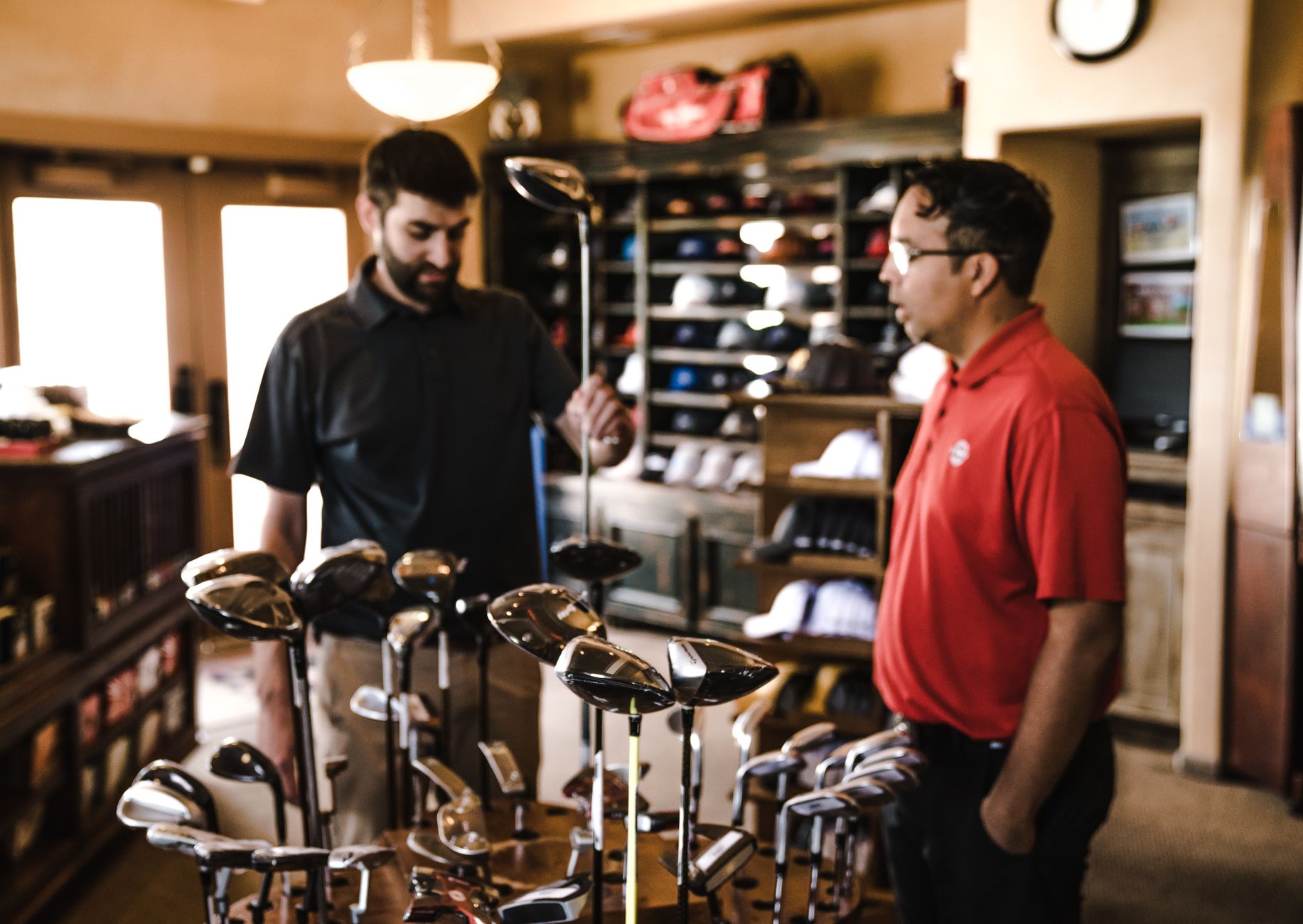
This matters more now than it did a decade ago. Shaft construction has advanced considerably, with materials like UHM 65T carbon, TORAYCA carbon fibre, and NANOALLOY resin allowing engineers to tune torque, kick point, and weight distribution with far greater precision than older sheet-wrapped designs. A fitter can only exploit that precision if they understand your swing's actual demands, not just your handicap index.
Bring Your Current Gamers, Not Your Backups
The single most useful physical item you can bring is the driver and irons currently in your bag, exactly as they're built, with the grips you actually play. A fitter needs a baseline, and your existing setup — however imperfect — is the only baseline that reflects your real swing under real conditions. Don't clean them up or re-grip them beforehand; wear patterns and grip tackiness tell a story the fitter will want to read.
If you own multiple drivers or a backup set, bring those too. Comparing how you deliver the clubhead across two different shaft weights or flexes, even informally, gives the fitter a head start on narrowing the search before a single launch-monitor shot is struck.
Know Your Numbers Before You Arrive
Launch monitor data from a previous fitting, a simulator round, or even a reputable range session is gold. Ball speed, spin rate, launch angle, and smash factor trends across multiple sessions reveal whether a poor number was a one-off mis-hit or a genuine pattern worth addressing.
- Recent driver swing speed and ball speed readings, if you have them
- Typical ball flight shape (draw, fade, or straight) and any shot you're actively trying to eliminate
- Current shaft specs: brand, model, flex, and length if known
- Any physical limitations affecting tempo or range of motion
- Notes on conditions where your miss gets worse — wind, pressure, fatigue late in a round
If you've never had your swing analyzed, that's not a dealbreaker, but it does change the conversation. In that case, consider running through the free ATOM AI fitting tool beforehand, since it establishes a tempo and swing-speed baseline using video alone and gives your fitter a starting point rather than a blank page.

Document the Miss, Not Just the Feeling
'I just don't trust my driver anymore' is a feeling, not data. Come prepared with specifics: does the miss show up only under pressure, only with a certain tee height, only late in the round when tempo speeds up? Shaft behavior — particularly how a tip section loads and releases — interacts with these variables in ways that are measurable once you can describe them clearly.
This is also where tipping and build specs become relevant to the conversation. Small changes in tip trim can shift effective flex and kick point meaningfully, and a fitter working from Attomax's published build data on the ATOM spec sheet can explain exactly why a given shaft behaves differently at a half-inch shorter tip length.
Think About Grips, Not Just Shafts
Grip size and compound are frequently an afterthought in shaft fittings, yet they directly influence grip pressure, release timing, and ultimately clubface delivery at impact — all of which can mask or amplify whatever a new shaft is trying to accomplish. Bring your actual hand measurements if you've had them taken, or at minimum know whether your current grips feel undersized, which is common among golfers who've added grip wraps or tape over the years without ever sizing up properly.
A fitting session is a reasonable time to test grip options alongside shaft options, since the two interact more than most golfers assume. The current grip lineup spans multiple compounds and core sizes specifically because tackiness and diameter preferences vary as much as swing speed does.
Set Realistic Expectations on Time and Scope
A thorough fitting covers launch condition baselining, shaft weight and flex iteration, and often a secondary pass on tip trim or grip size — that's a lot of ground, and rushing it produces worse outcomes than doing fewer variables well. Decide beforehand whether you're there for a full bag evaluation or a single-club diagnosis, because mixing both in one session usually means neither gets the attention it deserves.
It's also worth arriving physically warmed up. A cold-start swing on the first ten balls rarely represents your real tempo, and fitters who don't account for this can end up chasing data from a session that hasn't settled yet.
The golfers who get the most out of a fitting aren't the ones with the fastest swing speeds — they're the ones who show up with information instead of assumptions.
— Attomax Pro Fitting Team
Materials Knowledge Helps You Ask Better Questions
You don't need an engineering background to benefit from a fitting, but understanding broadly how materials affect feel and performance helps you interpret what a fitter is recommending. For instance, amorphous metal alloy wire used in certain construction layers contributes a super-elastic quality that behaves differently under load than a traditional steel or titanium component, while Ni-Ti wire's shape-memory properties serve a different structural purpose entirely. The technology overview breaks down how these materials are engineered in Korea and manufactured in Takamatsu, Japan, which is useful background reading before a session rather than during one.
Finally, if your home course pro shop doesn't have a full launch monitor setup or a broad enough shaft matrix, it's worth seeking out a dedicated fitting studio. The authorized fitting partner locator is a practical way to find someone equipped specifically for this kind of in-depth session rather than a quick retail swap. Showing up prepared, with real swings, real numbers, and real questions, is what separates a fitting that changes your game from one that just changes your inventory.
Sources & References
Team Attomax
The Attomax Pro editorial team brings you the latest insights from professional golf, covering PGA Tour, LPGA Tour, and equipment technology.