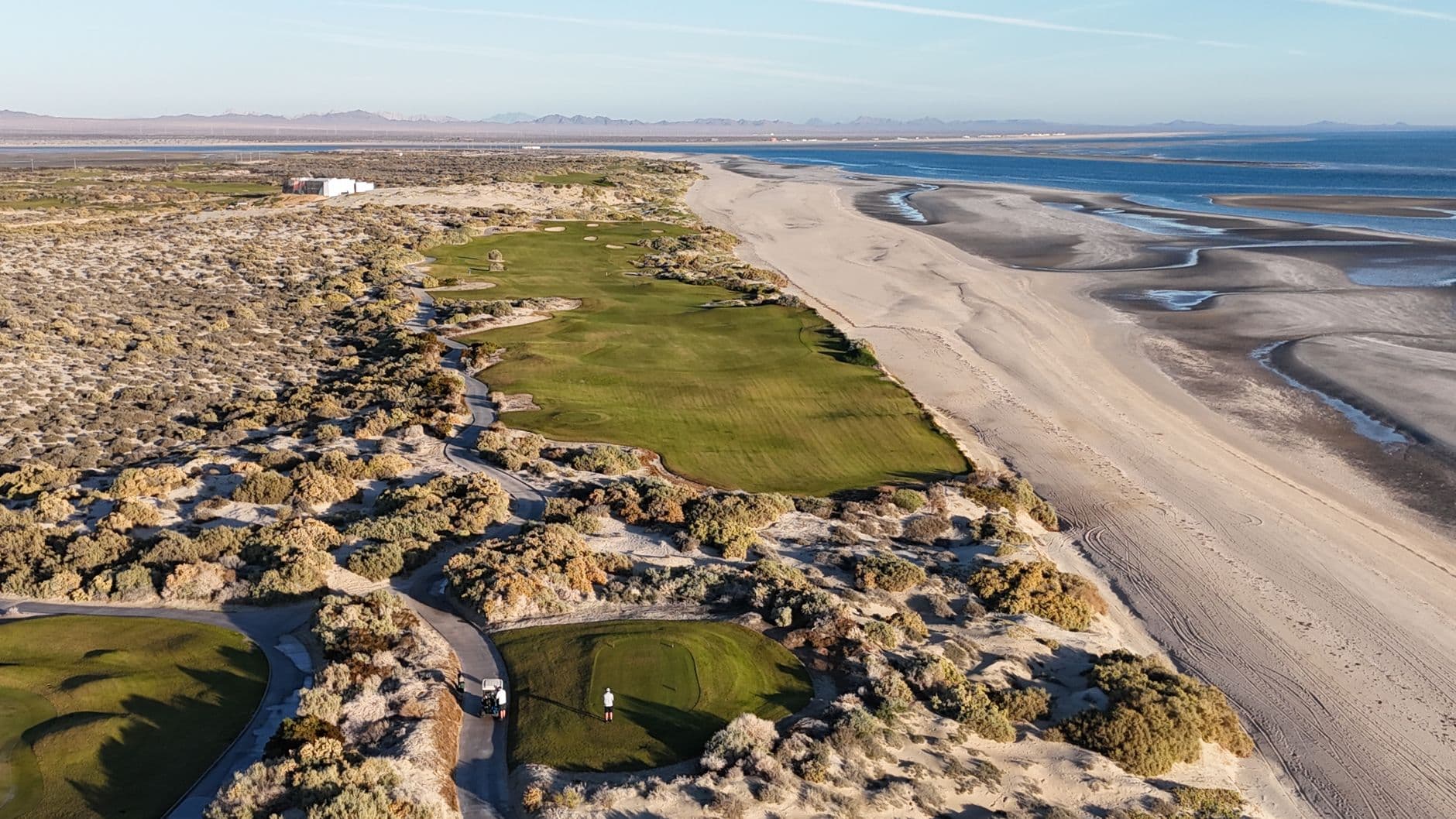
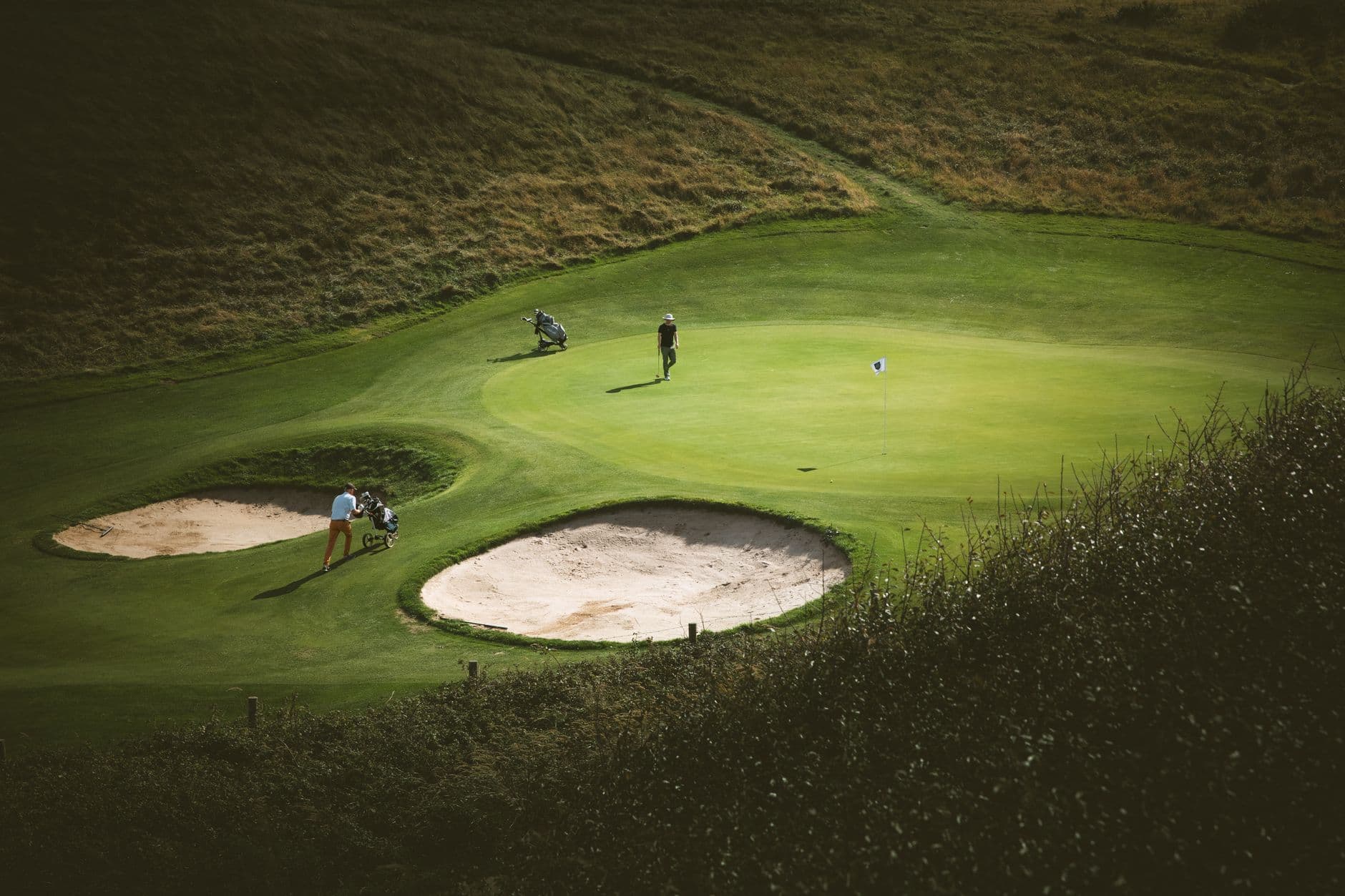
There exists a particular reverence that descends upon you when walking the fairways of Europe's finest golf establishments. It's not merely the immaculate conditioning or the architectural grandeur of their clubhouses—it's the weight of history beneath your feet, the knowledge that legends have navigated these same challenges across generations.
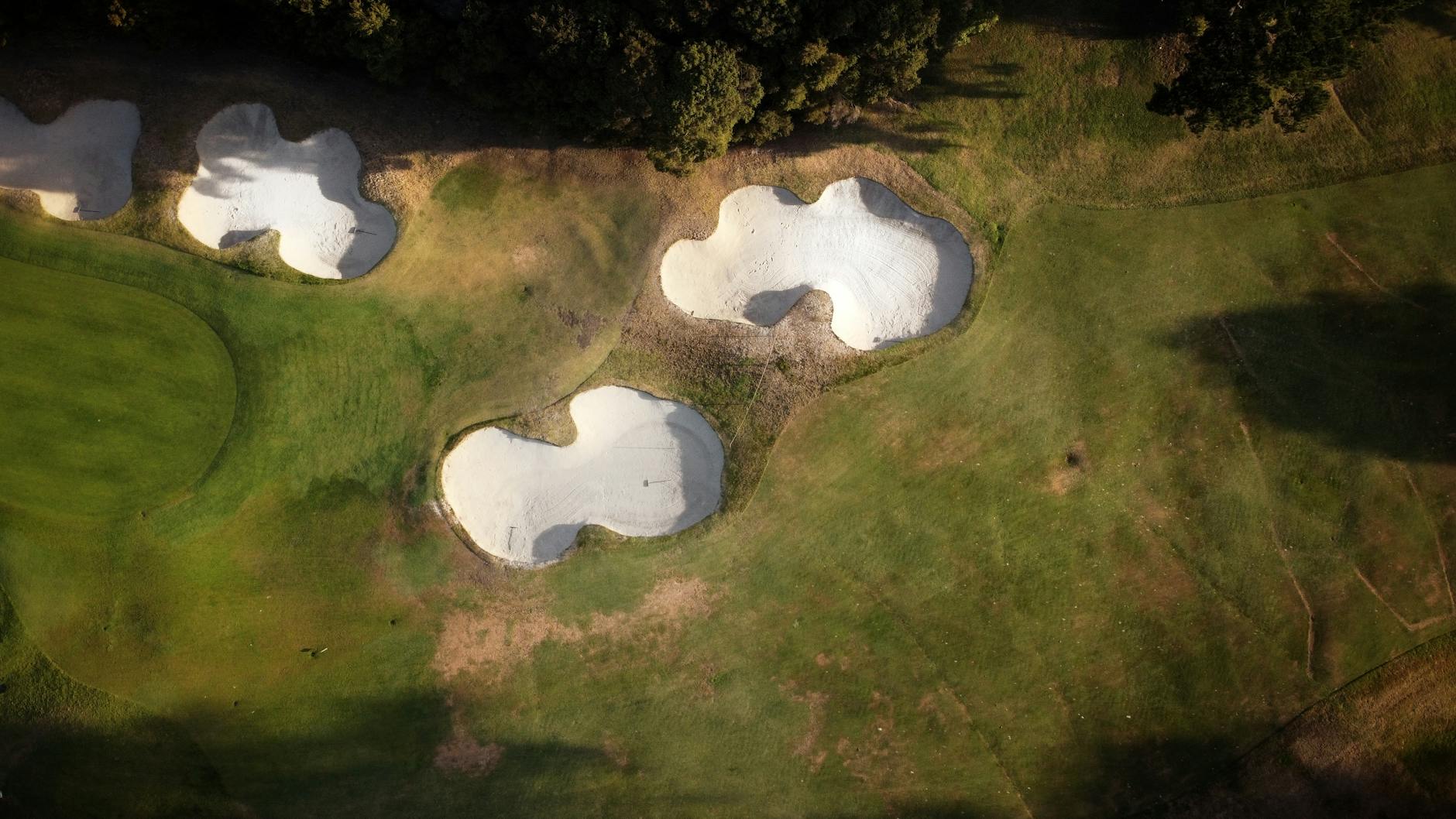
European golf clubs occupy a unique position in the sport's global landscape. While American country clubs often emphasize amenities and networking, their European counterparts tend to prioritize something more intangible: the preservation of golf's soul while thoughtfully integrating contemporary excellence.
This delicate balance between honoring tradition and embracing innovation defines the modern European club experience, creating destinations that satisfy both the purist seeking authentic links golf and the discerning traveler expecting world-class hospitality.
The Birthplace of the Game: Scotland's Enduring Legacy
Any discussion of European golf tradition must begin in Scotland, where the game's DNA was first encoded into windswept dunes and rumpled fairways. The Old Course at St Andrews remains the spiritual home of golf, its layout virtually unchanged for centuries, demanding the same creative shot-making from today's professionals that it required of Old Tom Morris.
What distinguishes Scottish clubs is their democratic heritage. Many operate as genuine members' clubs rather than exclusive preserves, reflecting golf's origins as a game accessible to tradesmen and nobility alike. Yet within this egalitarian framework, standards of conduct and respect for the game remain exacting.
- The Royal and Ancient Golf Club of St Andrews, founded in 1754, continues to govern the sport alongside the USGA
- Muirfield, home to The Honourable Company of Edinburgh Golfers, represents the oldest verifiable golf club in the world
- Royal Troon and Carnoustie maintain their positions on The Open Championship rota, testing the world's finest players
Modern investments in these historic venues focus on infrastructure improvements that remain invisible to the playing experience. Sophisticated drainage systems protect against increasingly unpredictable weather patterns, while practice facilities have been expanded to meet professional tournament requirements—all without compromising the authentic character that defines true links golf.
Continental Excellence: From the Algarve to the Alps
Beyond the British Isles, continental Europe has developed its own distinguished golf culture, often blending the sport with broader lifestyle offerings that reflect regional character. Spain's Valderrama, which hosted the 1997 Ryder Cup, exemplifies this approach—a course of championship caliber set within a residential community that attracts Europe's elite.
Golf in Europe isn't just about the game—it's about the entire experience, from the morning cafe con leche to the evening aperitivo overlooking the 18th green.
— European Tour Professional
Portugal's Algarve region has emerged as a premier golf destination, with establishments like Quinta do Lago and Vilamoura offering multiple championship courses alongside five-star accommodations. These clubs have mastered the art of warm-weather golf tourism while maintaining playing conditions that satisfy the most demanding visitors.

In France, clubs such as Le Golf National—host of the 2018 Ryder Cup—represent a newer tradition of purpose-built championship venues. The Albatros course's dramatic closing stretch along the lakes has become one of European golf's most iconic finishes, proving that heritage can be established through exceptional design rather than merely accumulated through time.
The Modern Membership Experience
Contemporary European clubs have evolved their offerings substantially while maintaining their essential character. Fitness centers, spa facilities, and fine dining have become standard expectations, yet these amenities are typically integrated with architectural sensitivity that preserves the aesthetic heritage of historic properties.
- Personalized instruction programs utilizing launch monitor technology and biomechanical analysis
- Custom club fitting services with access to premium shaft and ball options optimized for individual swing characteristics
- Concierge services facilitating access to partner clubs across Europe
- Youth development academies nurturing the next generation of European talent
Technology integration represents perhaps the most significant evolution in club operations. Many prestigious venues now offer GPS-enabled course guides, online tee time management, and sophisticated practice facilities featuring the latest in ball-flight analysis. For serious players seeking to optimize their equipment, clubs increasingly partner with premium brands offering high-performance options like amorphous metal ball technology and precisely engineered shaft profiles.
Preserving Etiquette in a Changing World
European clubs maintain notably higher standards of etiquette than many of their international counterparts. Dress codes remain strictly enforced, mobile phone usage is typically prohibited on the course, and pace of play expectations are communicated clearly to all visitors.
These standards aren't mere stuffiness—they reflect a genuine philosophy about the golf experience. By eliminating distractions and maintaining decorum, clubs create an environment where players can fully immerse themselves in the challenge and beauty of the game.
Investment and Sustainability: The Future of European Golf
Forward-thinking European clubs are increasingly prioritizing environmental sustainability alongside traditional excellence. Water management systems, native habitat restoration, and reduced chemical inputs have become standard practice at leading venues, responding to both regulatory requirements and member expectations.
Several clubs have achieved GEO Foundation certification, the gold standard in golf environmental management. This commitment to sustainability extends to clubhouse operations, with energy-efficient systems, locally sourced dining options, and waste reduction initiatives becoming integral to the member experience.
The courses we steward today must be passed to future generations in better condition than we received them. That's our obligation to the game.
— European Club Manager
Investment in junior golf development programs ensures the long-term vitality of these institutions. Many clubs now offer subsidized youth memberships and structured coaching pathways, recognizing that cultivating tomorrow's members requires engagement that begins in childhood.
Experiencing European Golf Excellence
For golfers seeking to experience this blend of tradition and luxury, planning is essential. Many prestigious clubs require advance booking, and some extend guest access only through member introduction. Researching individual club policies, dress requirements, and reservation procedures prevents disappointment.
The rewards, however, justify the effort. Walking a fairway that has challenged golfers for centuries, dining in a clubhouse steeped in history, and experiencing service standards refined over generations creates memories that transcend any single round. European golf clubs don't merely offer a game—they provide a connection to the sport's deepest traditions while delivering contemporary excellence.
In an era when golf increasingly competes for attention with countless diversions, these institutions remind us why the game has endured for centuries. They are sanctuaries where time slows, where the outside world fades, and where the eternal challenge of navigating ball to hole remains paramount.
Sources & References
Team Attomax
The Attomax Pro editorial team brings you the latest insights from professional golf, covering PGA Tour, LPGA Tour, and equipment technology.