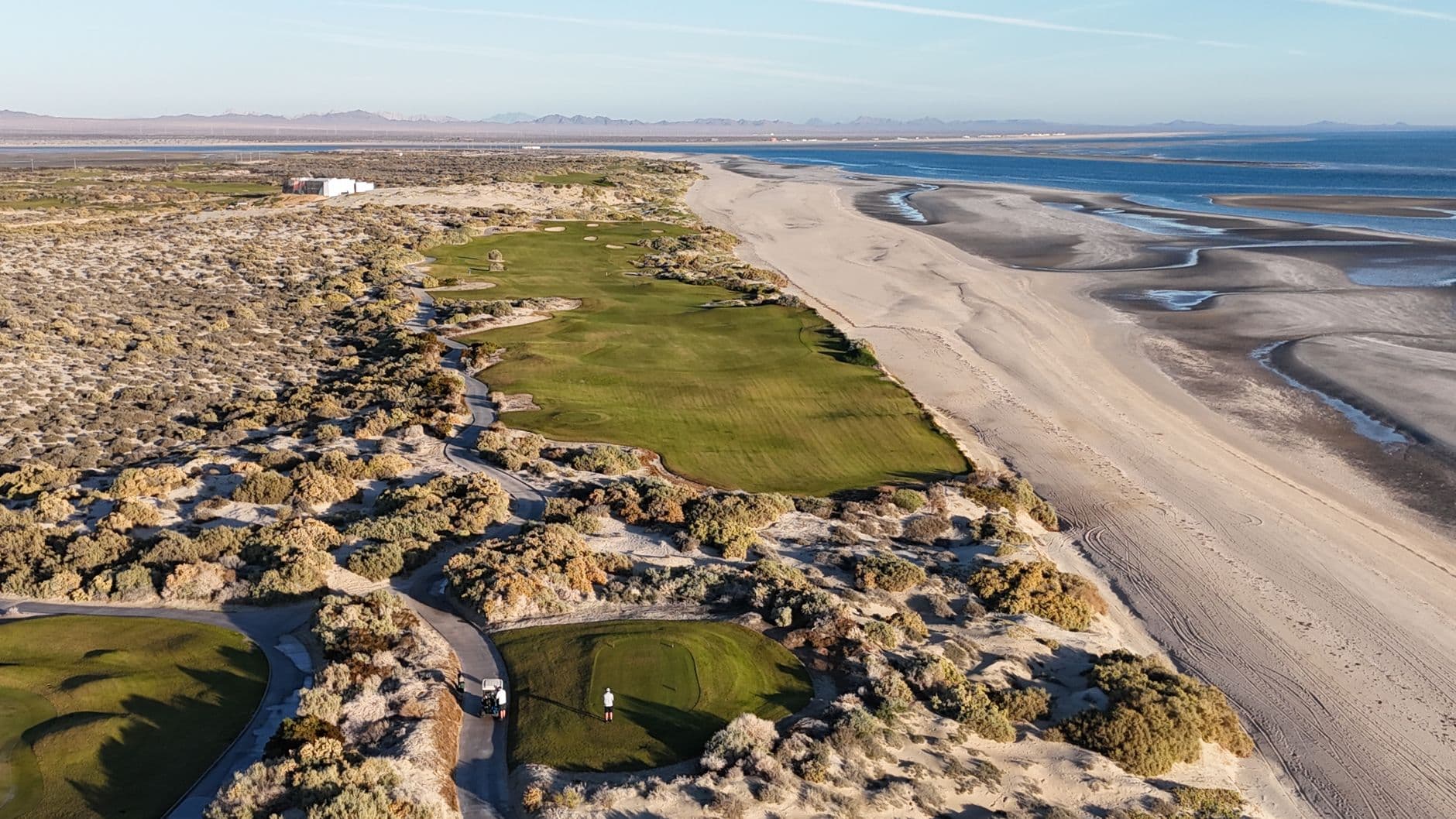
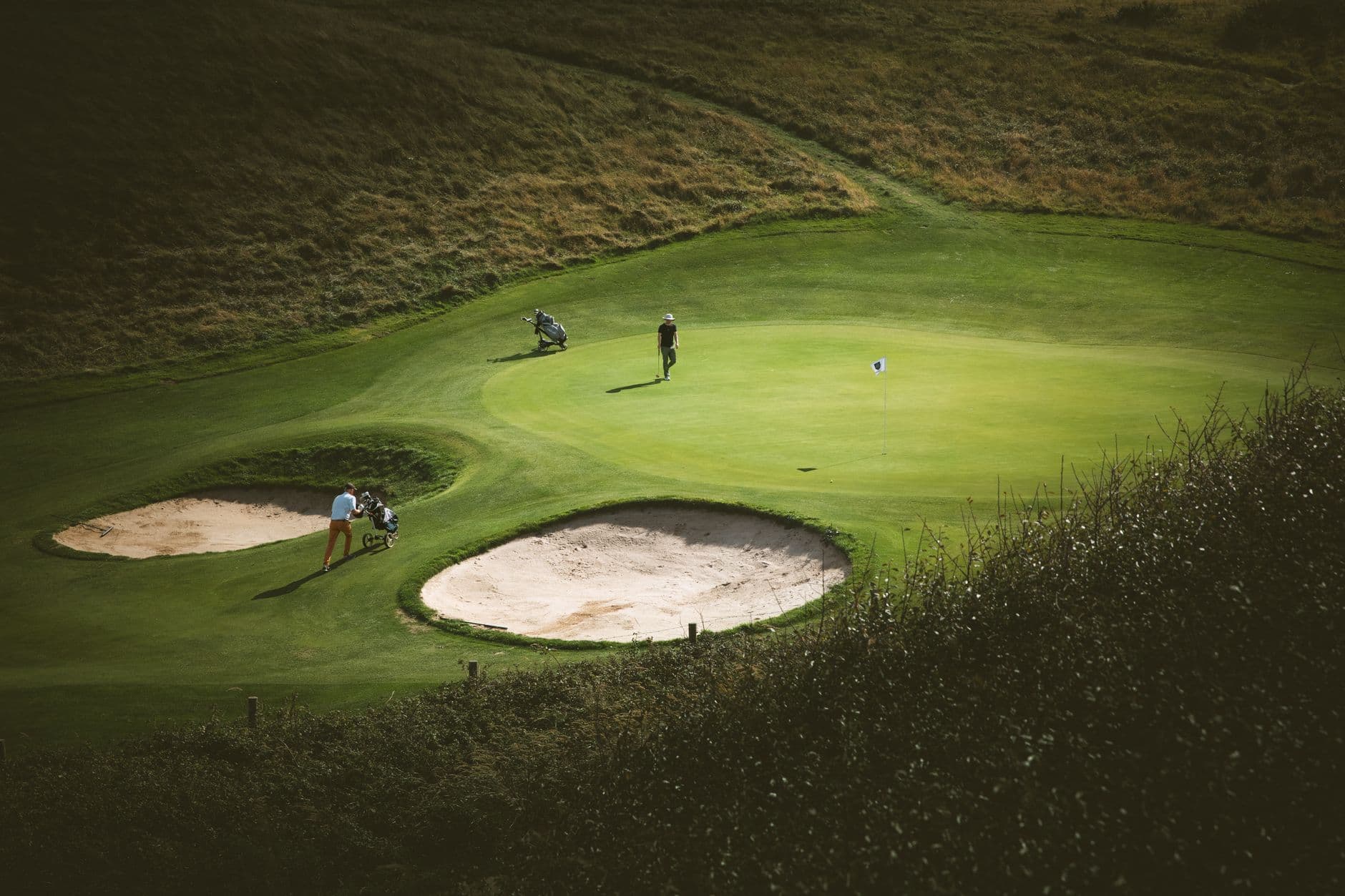
There exists no more humbling experience in golf than standing on the first tee of a Scottish links course, the North Sea wind cutting across your face, and realizing that this is where it all began. These aren't manicured parkland layouts designed by committee—they're battlegrounds shaped by centuries of coastal erosion, sheep grazing, and the relentless Scottish weather that has broken the spirits of countless golfers who dared to challenge them.
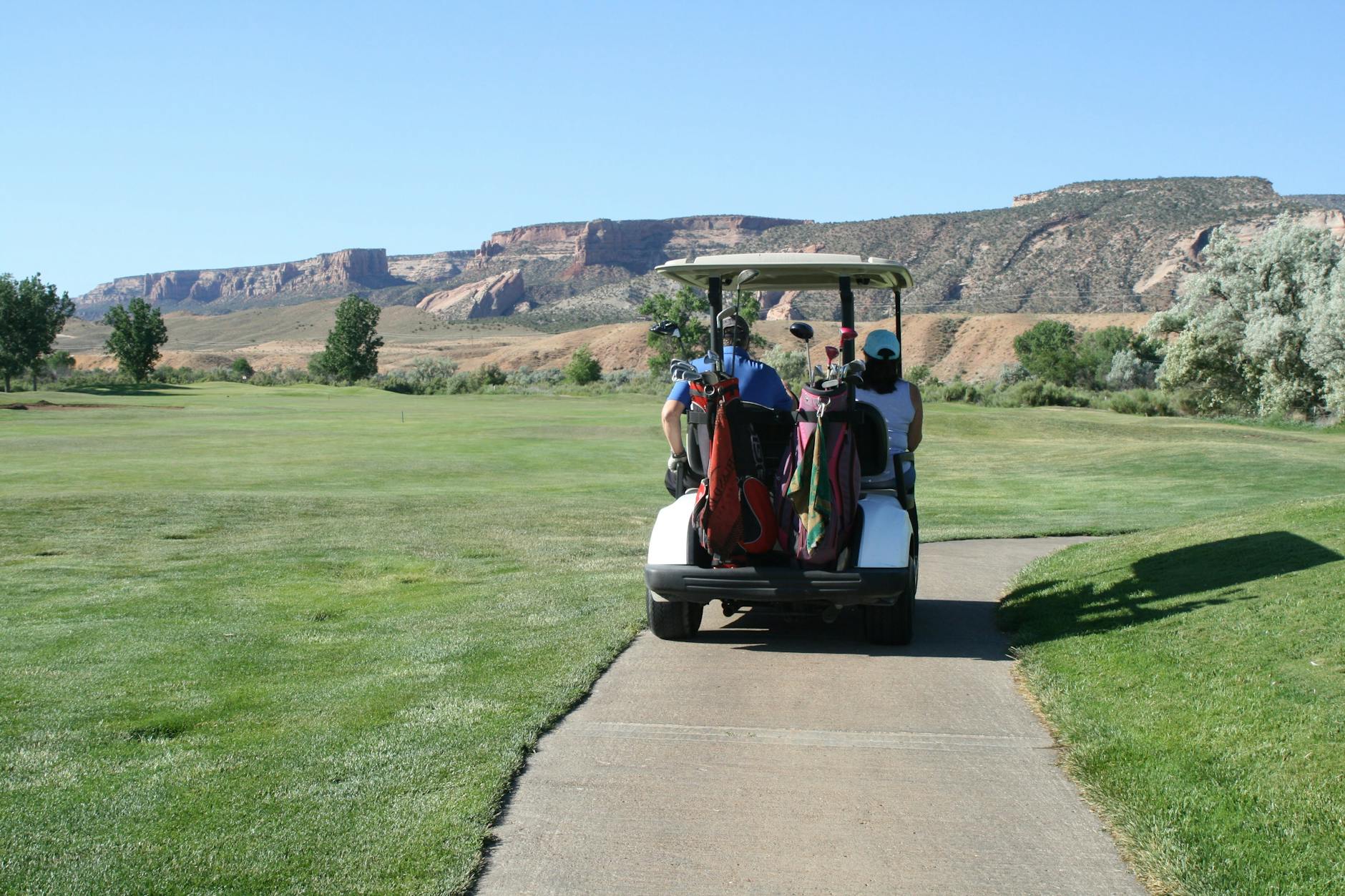
Scotland's links courses represent golf in its most authentic form. The word 'links' itself derives from the Old English 'hlinc,' referring to the sandy, undulating terrain that connects the sea to more fertile inland areas. This marginal land, deemed unsuitable for farming, became the cradle of our sport sometime in the 15th century.
Today, these courses remain the ultimate proving ground for players who believe they've mastered the game on their home tracks.
St Andrews: The Old Course and Its Enduring Legacy
No discussion of Scottish links golf begins anywhere other than St Andrews. The Old Course isn't merely old—it's ancient, with documented golf dating back to the early 1400s. Walking these fairways is a meditation on the game's history, where every bunker has a name and a story, and the greens share surfaces in ways that confound modern sensibilities.
The course's famous double greens, where outward and inward holes share putting surfaces sometimes exceeding 30,000 square feet, demand a strategic understanding that transcends simple shot-making. The Road Hole, the 17th, remains perhaps the most discussed and analyzed par 4 in championship golf.
What strikes first-time visitors most is how the Old Course reveals itself slowly. Initial rounds often produce bewilderment—where are the defined fairways? Why are the bunkers invisible until you're in them? By the third or fourth round, the genius emerges: this is golf as a ground game, where the bounce and roll matter as much as the carry.
The Essential Elements of Links Architecture
Links courses share characteristics that set them apart from every other form of golf architecture. Understanding these elements is essential before attempting to score on them.
- Firm, fast-running fairways that reward the bump-and-run approach
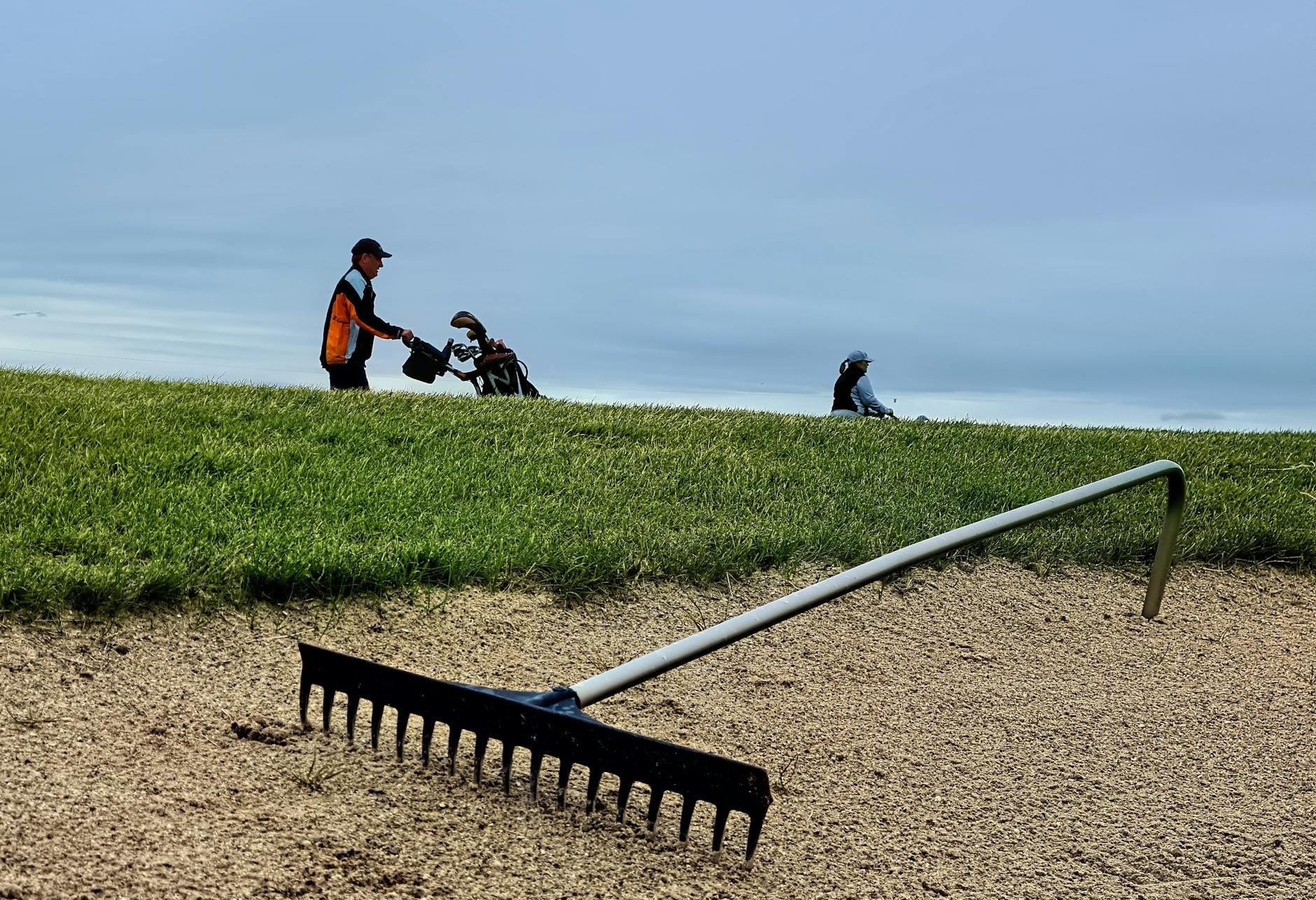
- Deep pot bunkers with vertical faces requiring lateral escapes
- Fescue rough that swallows balls and penalizes wayward shots severely
- Greens that accept only properly flighted approach shots
- Constant wind that transforms a manageable par 4 into a card-wrecking monster
The wind deserves special emphasis. On a links course, wind isn't an occasional nuisance—it's a permanent playing partner. A hole that plays downwind in the morning may require two extra clubs by afternoon. Scottish links golfers learn to play the 'knockdown' shot not as a specialty technique but as a standard tool.
Ball Selection and Equipment Considerations
The demands of links golf highlight why equipment choices matter. In swirling coastal winds, a ball that generates excessive spin becomes a liability rather than an asset. Many experienced links players opt for lower-spinning constructions that hold their line through gusts while still providing adequate greenside control.
High-density ball constructions offer particular advantages in these conditions, providing stable flight characteristics and consistent roll-out on firm fairways. The ability to flight the ball lower while maintaining distance proves invaluable when the haar rolls in and the wind picks up.
Beyond St Andrews: Scotland's Crown Jewels
While the Old Course commands reverence, Scotland's links landscape extends far beyond Fife. Royal Dornoch, perched in the Scottish Highlands, offers what many consider the most natural golf terrain on Earth. The course's raised plateau greens and subtle contours have influenced architects worldwide.
It is the most fun I have ever had on a golf course.
— Tom Watson on Royal Dornoch
Carnoustie presents a different proposition entirely—a brute of a course that has produced some of championship golf's most dramatic finishes. The closing stretch, particularly the infamous 18th with the Barry Burn snaking across the fairway twice, has decided multiple Open Championships in agonizing fashion.
Royal Troon, Turnberry, and Muirfield each offer distinct challenges. Turnberry's Ailsa Course, with the iconic lighthouse backdrop, combines stunning scenery with genuine difficulty. Muirfield's clockwise-then-counterclockwise routing means you'll face the wind from every conceivable angle.
Strategic Approaches for the Links-Bound Player
Scoring well on Scottish links requires abandoning assumptions that work on parkland courses. The aerial attack that overwhelms tree-lined American layouts becomes a vulnerability when the wind howls off the Firth of Forth.
- Commit to the ground game—even from 150 yards, a running approach may be the percentage play
- Accept bogeys gracefully—links golf punishes the player who compounds errors chasing pars
- Study the terrain before the round—knowing where the blind bunkers lurk saves strokes
- Bring versatility in your short game—you'll need chips, bumps, and putts from 40 yards
- Check wind forecasts and plan your tee time accordingly
Mental resilience matters enormously. A perfectly struck shot can catch an invisible slope and bound into trouble. Conversely, a mishit may find a fortunate kick and finish safely. Links golf teaches acceptance of variance that other courses never demand.
Planning Your Links Pilgrimage
For the serious golfer, a Scottish links trip represents a journey to the source. The infrastructure surrounding these courses—from the caddie programs to the nearby towns steeped in golf tradition—enhances the experience beyond the rounds themselves.
The optimal windows for weather generally fall in late spring through early autumn, though true links purists argue that experiencing the courses in challenging conditions provides the most authentic test.
Walking remains essential. These courses were designed for walkers, and the rhythm of a four-hour walk across windswept dunes connects you to centuries of players who traversed the same ground. Many links clubs require walking or strongly discourage carts.
When you finally stand on that first tee, wind in your face, looking down a fairway that seems both impossibly wide and terrifyingly narrow, you'll understand why golfers have been making this pilgrimage for six hundred years. This is where the game lives—raw, honest, and utterly magnificent.
Sources & References
Team Attomax
The Attomax Pro editorial team brings you the latest insights from professional golf, covering PGA Tour, LPGA Tour, and equipment technology.