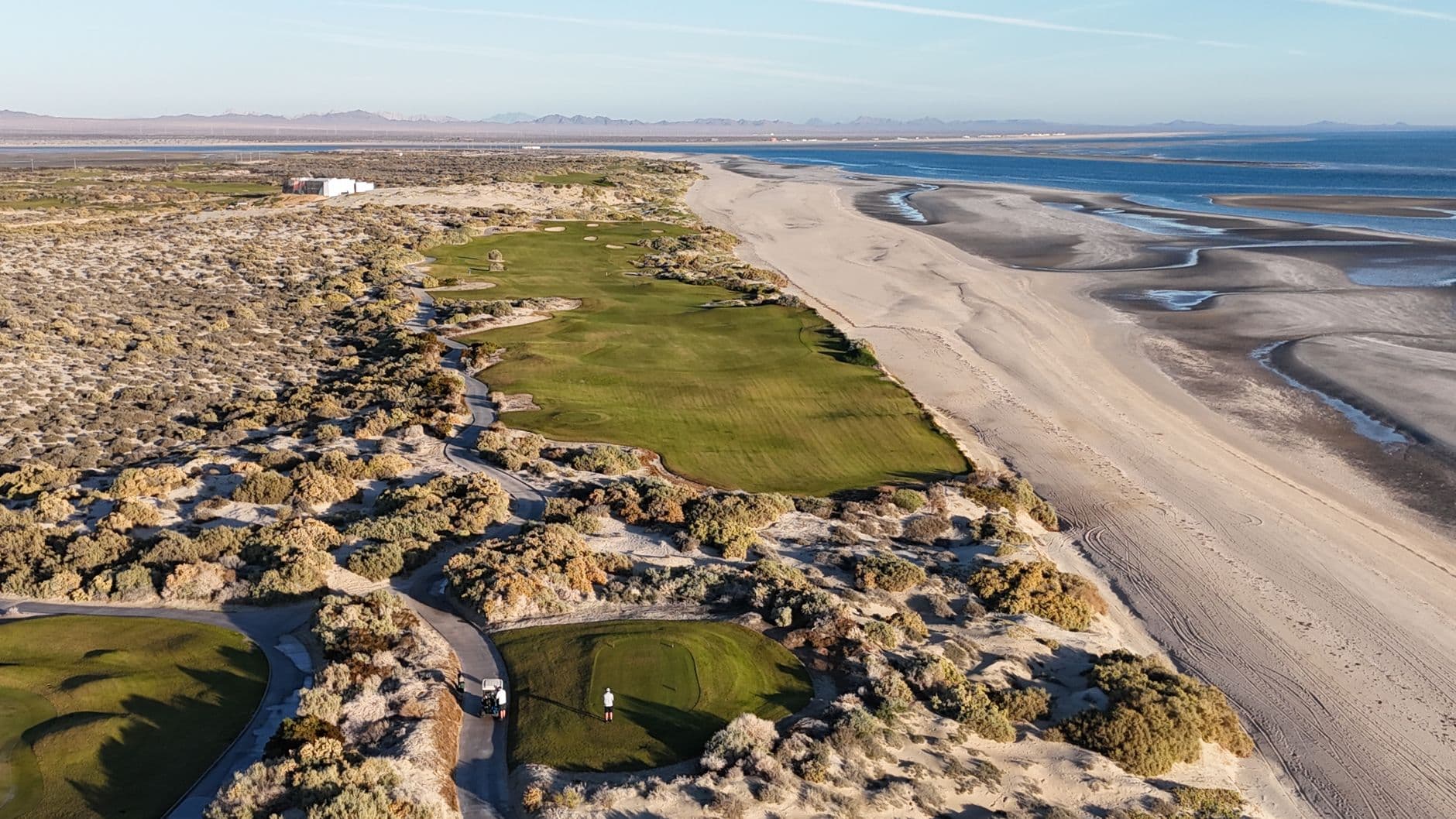
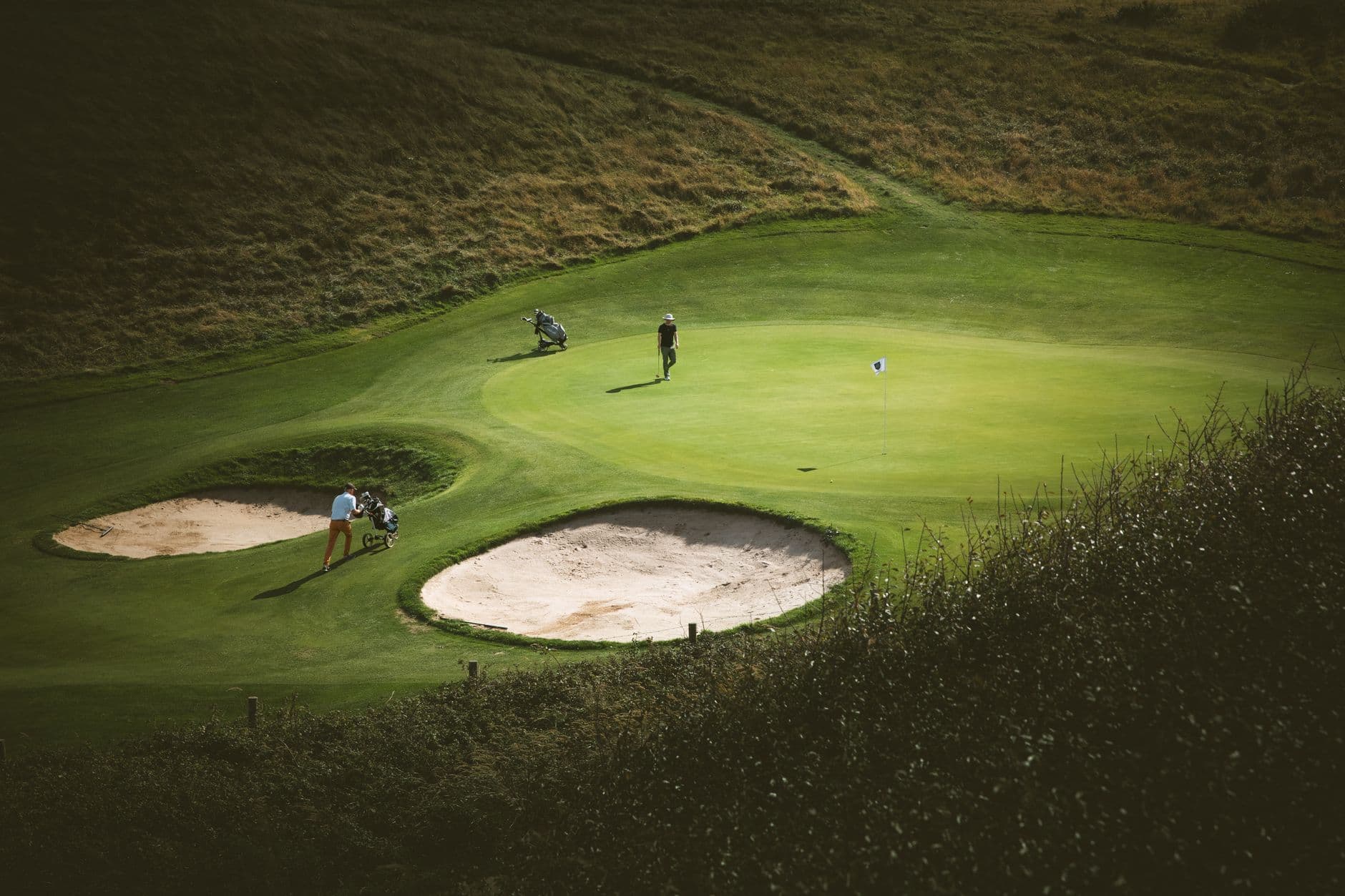
There exists no greater cathedral for golf than the ancient linksland of Scotland. Long before manicured parkland courses and desert target-golf layouts dotted the globe, shepherds along the Scottish coastline were striking primitive balls across the natural terrain that connected arable farmland to the sea—the very land we now call 'links.'
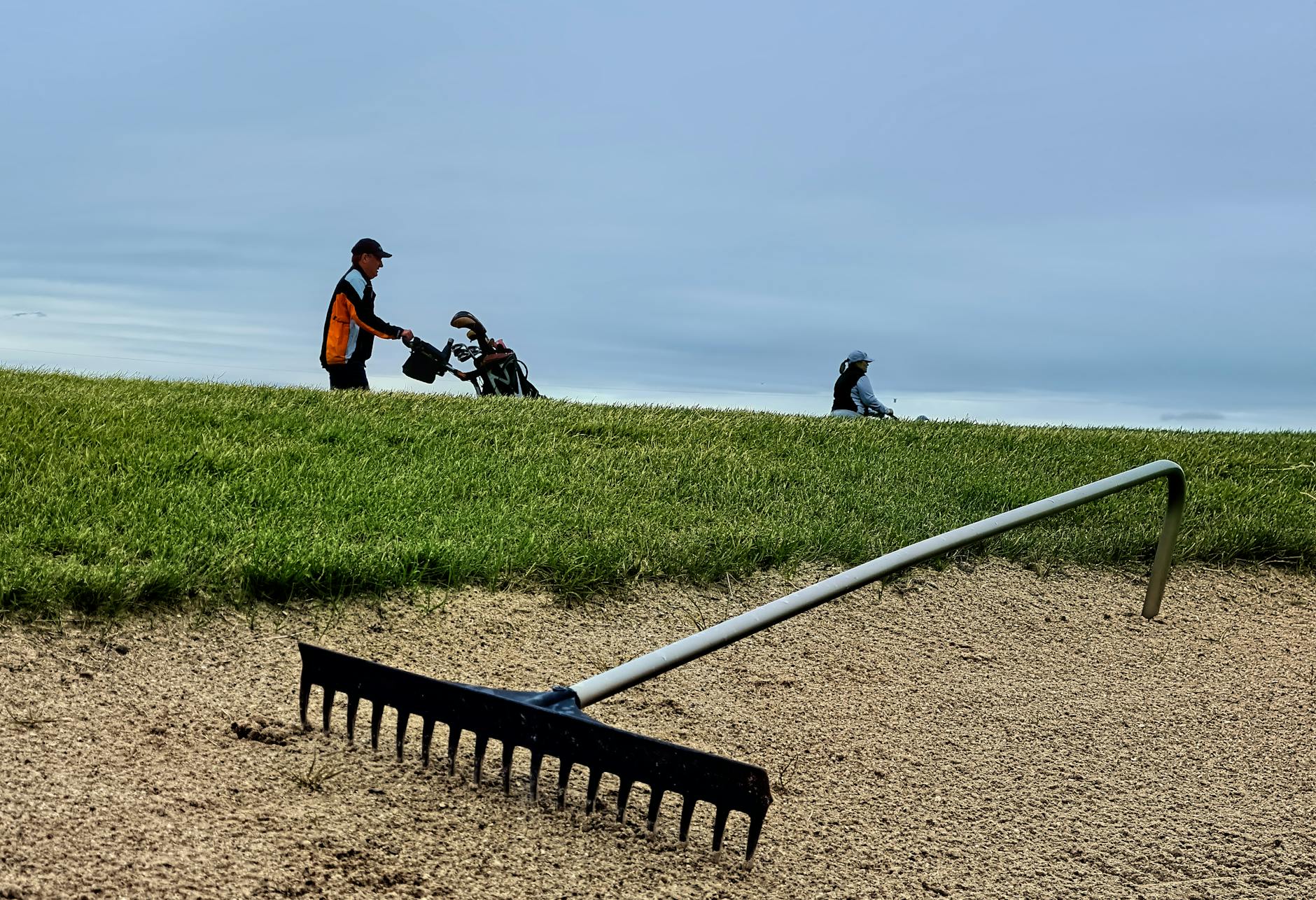
For the serious golfer, understanding links golf isn't merely academic. It represents a return to the game's fundamental challenge: creativity over power, ground game over aerial assault, and mental fortitude over mechanical perfection.
The Etymology and Geography of Links Golf
The term 'links' derives from the Old English 'hlinc,' meaning rising ground or ridge. These coastal strips of land, characterised by sandy soil, natural dunes, and sparse vegetation, were considered useless for agriculture. The ground was too poor for crops, too exposed for livestock—but perfect, as it turned out, for golf.
True links courses share defining characteristics that separate them from their inland counterparts. The turf is firm and fast, running atop a sandy base that drains instantly. Fescue grasses dominate, creating tight lies that reward clean ball-striking. And then there's the wind—the omnipresent fourth dimension of links golf.
Scotland's coastline hosts the highest concentration of authentic links courses anywhere on earth. From the Fife peninsula to the Ayrshire coast, from East Lothian to the Highlands, these layouts have been shaping championship golf for centuries.
St Andrews: The Old Course and Its Legacy
No discussion of Scottish links begins anywhere but St Andrews. The Old Course isn't simply historic—it is history itself. Golf has been played on this stretch of Fife coastline since the 15th century, making it the oldest continuously played course in existence.
What strikes first-time visitors is how the Old Course defies modern design principles. There are no trees framing fairways. Seven enormous double greens serve fourteen holes. The famous Road Hole bunker and Swilcan Burn have destroyed more scorecards than any water hazard in America.
- The course plays to different pins on alternate days, creating 14 unique green complexes
- Hell Bunker on the 14th hole measures over 300 yards from tee to carry
- The Valley of Sin fronting the 18th green has witnessed countless championship dramas
- Shared fairways require strategic positioning that changes based on wind direction
Playing the Old Course demands imagination. The ground game reigns supreme here—bump-and-run approaches, links-style putting from thirty yards off the green, and the ability to flight the ball under coastal gusts. It's a masterclass in creative shot-making.
The Open Championship Rota: Scotland's Crown Jewels
The R&A's Open Championship rota features several Scottish venues that represent the pinnacle of links examination. Each offers a distinct character while demanding the same fundamental skills.
Links golf is about accepting what the course gives you. Fight it, and you'll lose every time.
— Five-time Open Champion Tom Watson
Royal Troon and Carnoustie
Royal Troon's Postage Stamp—the 123-yard 8th—stands as golf's most famous par three. At just over 120 yards, it appears benign until the wind rises and that tiny target becomes a spinning top rejecting anything less than perfection.
Carnoustie earned its 'Car-nasty' moniker honestly. The Barry Burn winds through the closing holes like a serpent, turning the 18th into one of golf's most demanding finishing holes. The course has produced some of The Open's most dramatic conclusions, testing even the world's finest players.
Muirfield and Royal Dornoch
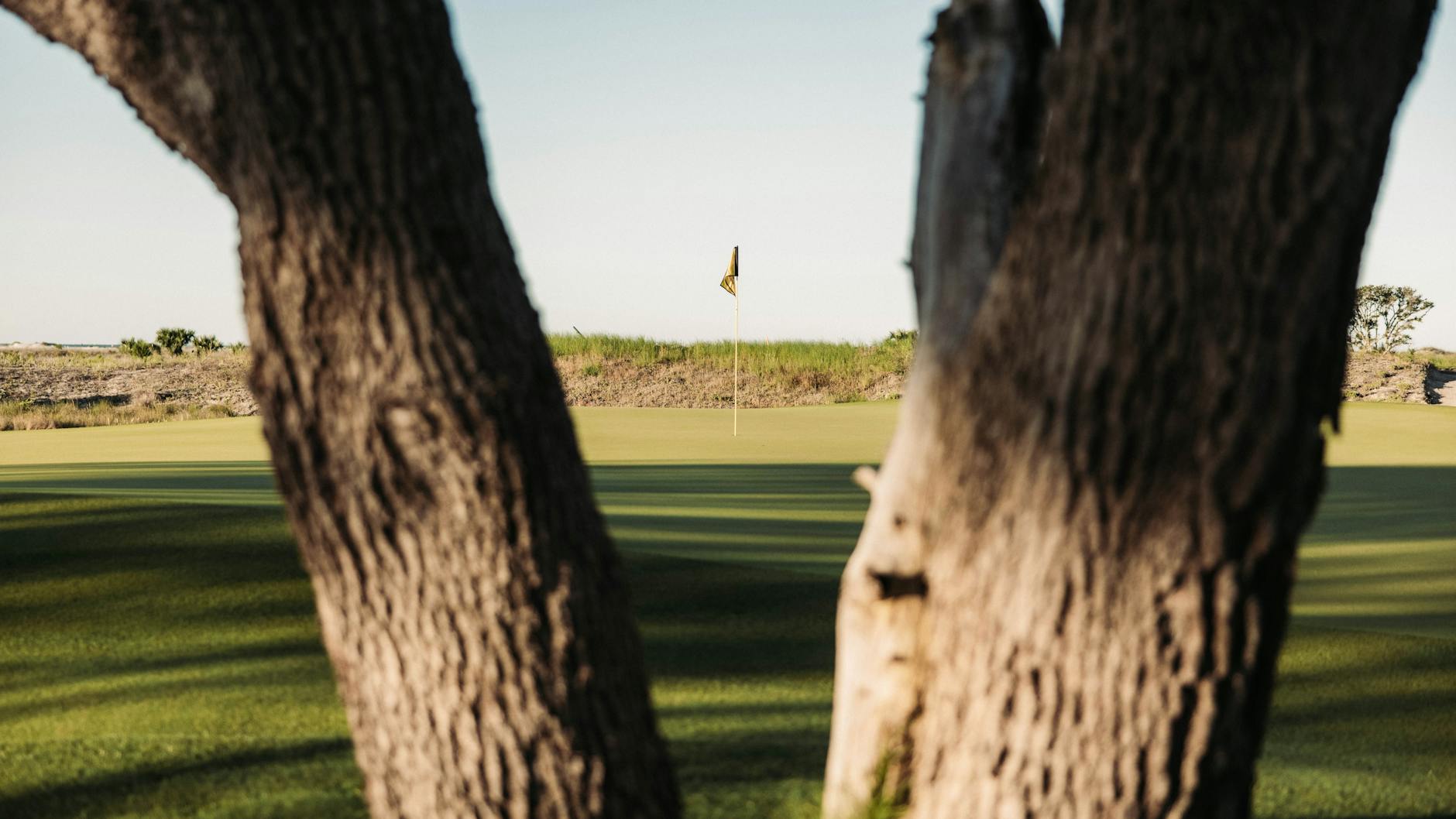
Muirfield, home to The Honourable Company of Edinburgh Golfers, represents links architecture at its most strategic. The layout's two loops—nine holes clockwise, nine counter-clockwise—ensure the wind affects every club in the bag across eighteen holes.
Royal Dornoch, situated in the Scottish Highlands, may be the most beloved links among purists. Its raised plateau greens reject anything but precision, while the natural undulations create stances and lies that haven't been seen since your last visit.
The Art of Links Strategy
Conquering Scottish links requires a fundamental shift in approach. The aerial game that dominates American golf becomes a liability when coastal winds gust to 30 miles per hour.
Ball flight control becomes paramount. The ability to flight a 7-iron at three different trajectories—standard, knockdown, and stinger—separates those who compete from those who merely survive. Spin rates that launch monitors celebrate on calm days become enemies when the wind weaponises backspin.
- Study the wind before selecting your line—aim points shift dramatically based on conditions
- Embrace the bump-and-run as your primary approach weapon from 50 yards and in
- Accept that links golf rewards smart bogeys over foolish double-bogey attempts
- Position off the tee matters more than distance—local knowledge is invaluable
Equipment considerations matter here as well. A ball that maintains stability in wind while still delivering feel around the greens becomes essential. The high-density construction found in premium balls like the Attomax range offers penetrating flight that resists ballooning in crosswinds—precisely the characteristic links golf demands.
Planning Your Scottish Links Pilgrimage
February and March offer value and availability, though conditions test resolve. The prime window stretches from May through September, when daylight extends past 10 PM and conditions moderate—relatively speaking.
Booking tee times at the Old Course remains golf's greatest lottery. The ballot system allocates times to hopeful applicants, though guaranteed access comes through licensed tour operators and the adjacent hotels. Planning twelve to eighteen months ahead ensures access to the marquee venues.
Beyond the championship courses, hidden gems await the adventurous golfer. Cruden Bay's quirky brilliance, North Berwick's redan hole that inspired a thousand copies, and Machrihanish's opening tee shot across the Atlantic all deliver authentic links experiences without the premium pricing.
The Enduring Appeal
What draws serious golfers back to Scotland again and again isn't nostalgia—it's the game itself, stripped to its essence. Links golf asks questions that modern target courses cannot pose. It demands adaptation, creativity, and acceptance of outcomes beyond your control.
Standing on the first tee at St Andrews, Dornoch, or any of Scotland's ancient links, you're not simply playing a round of golf. You're participating in a tradition that spans six centuries, walking terrain that shaped the very rules and equipment we use today.
For the golfer who has mastered their home course and seeks the next challenge, Scottish links represent the ultimate examination. No simulator can replicate the wind. No practice facility can prepare you for the lies. The only way to learn links golf is to live it—and Scotland remains the finest classroom on earth.
Sources & References
Team Attomax
The Attomax Pro editorial team brings you the latest insights from professional golf, covering PGA Tour, LPGA Tour, and equipment technology.