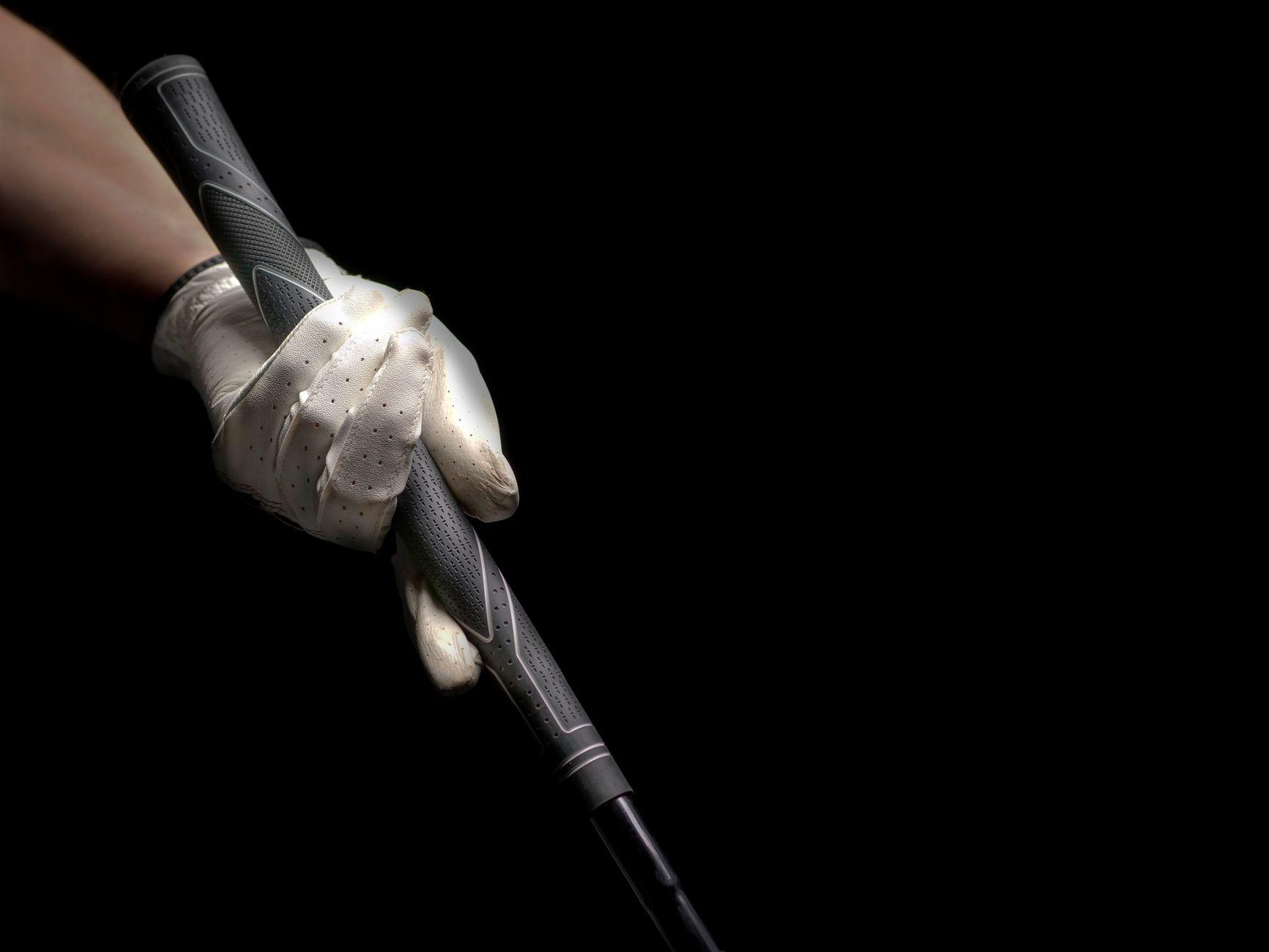
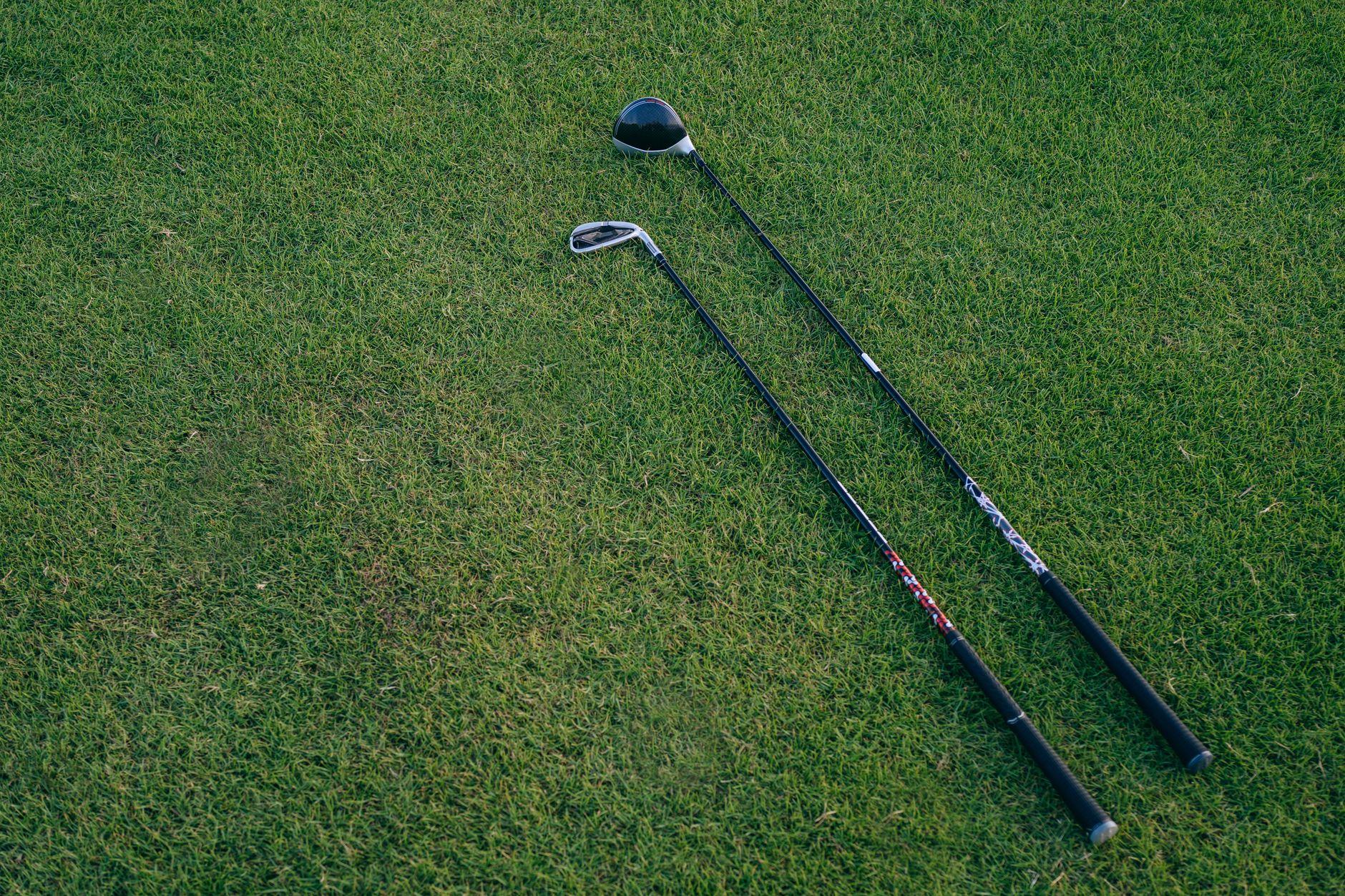
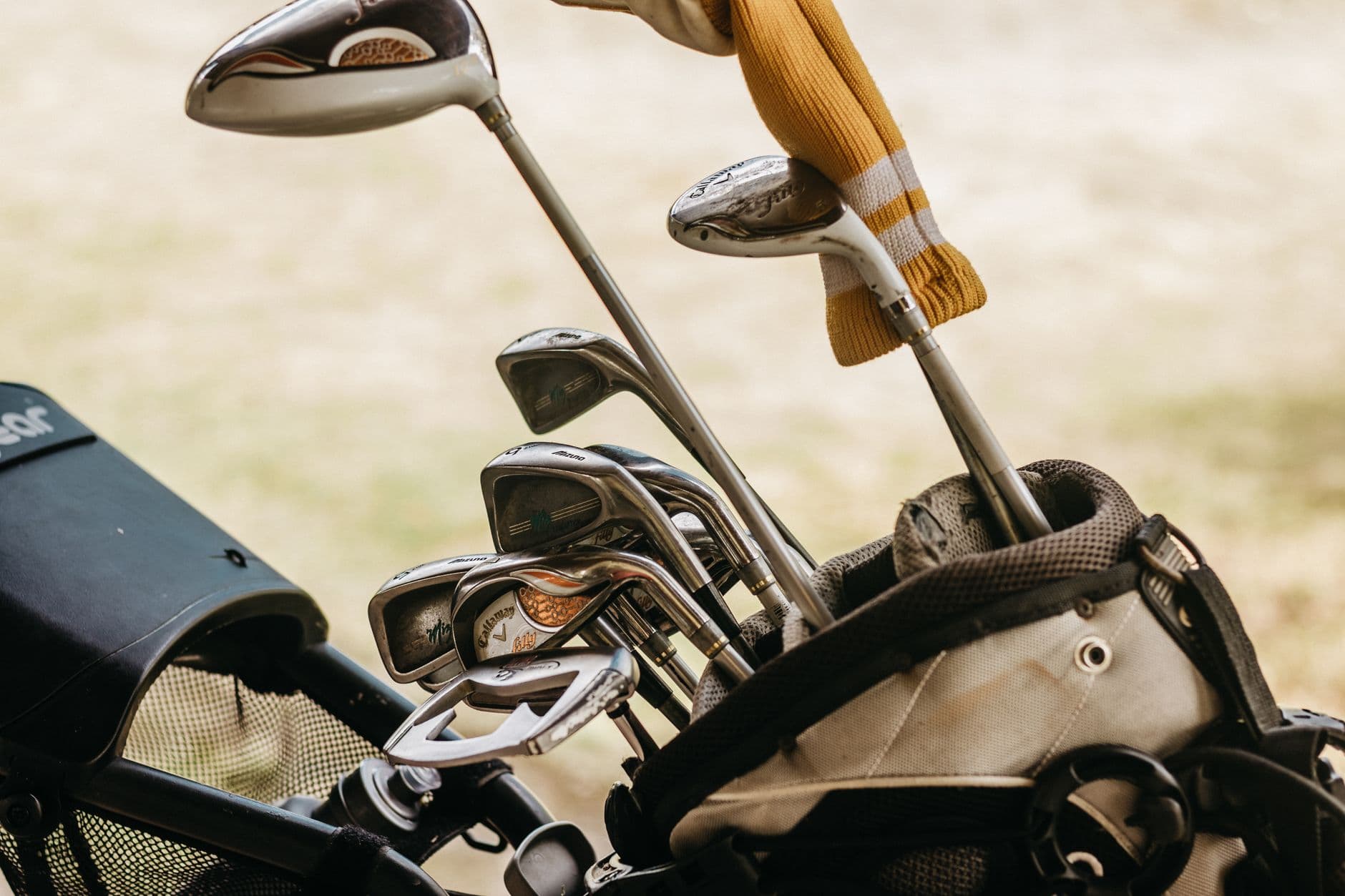
Every golfer eventually hears the sound: a dull crack, a loose rattle at the ferrule, or a shaft that simply snaps mid-swing. The instinct is to call it bad luck or a defective product, but graphite shaft failure almost always traces back to one of a handful of identifiable mechanisms. Understanding them changes how you store, swing, and eventually replace your equipment.
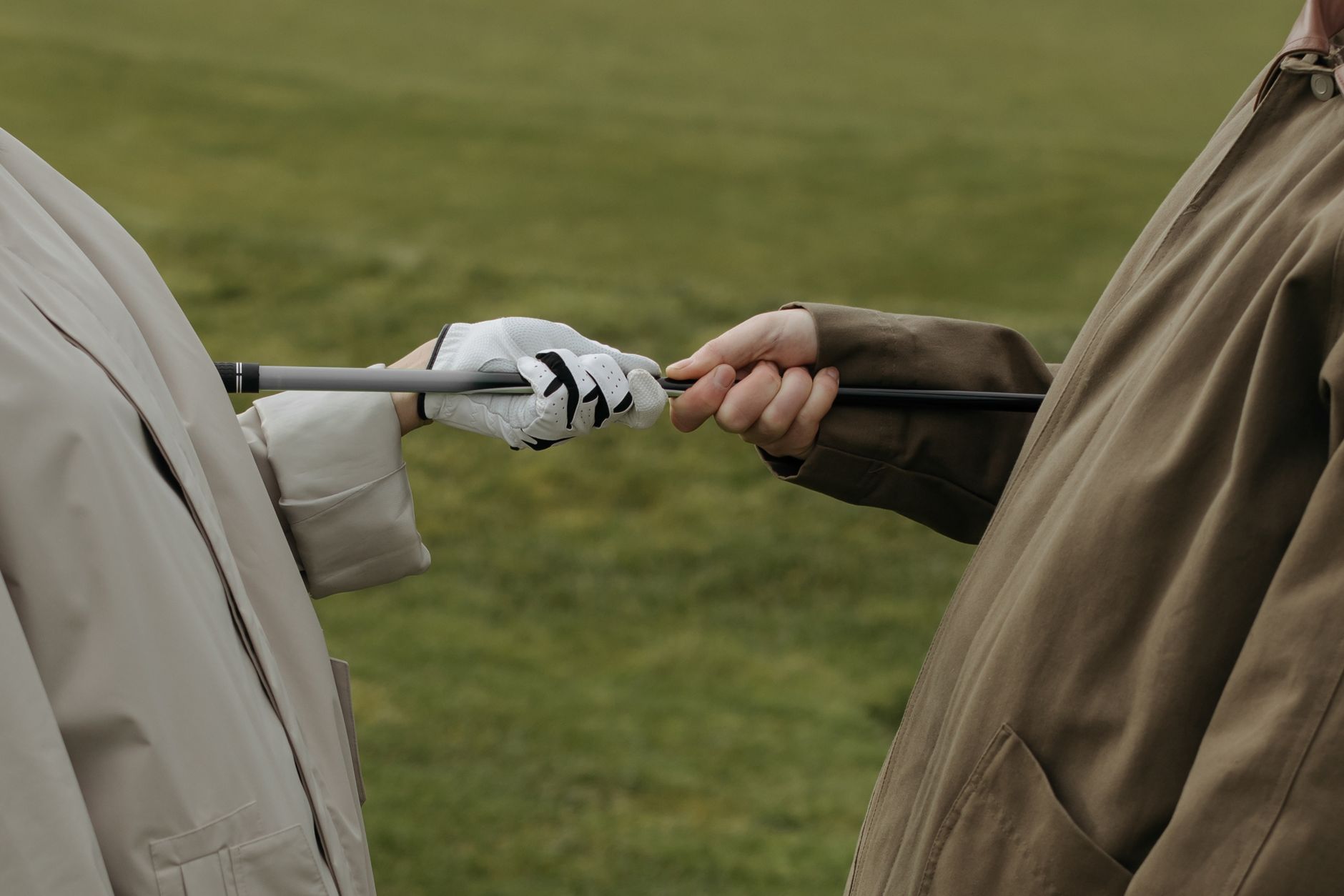
Unlike steel, which fails through visible plastic deformation, graphite shafts are composite laminates—layers of carbon fibre bonded in a resin matrix. Failure here is a materials science problem as much as a mechanical one, and it rarely happens all at once. By the time you hear the crack, the damage has usually been accumulating for months or years.
Fatigue: The Slow Failure Mechanism
Every golf swing loads a shaft through bend and torsional cycles, and over tens of thousands of repetitions, microscopic cracks can form within the resin long before the fibres themselves give way. These micro-cracks tend to concentrate at points of maximum bend stress, which is why the same shaft model can fail in wildly different timeframes depending on swing dynamics.
A mismatch between swing tempo and shaft stiffness distribution accelerates this process, since an overly whippy profile for an aggressive transition forces the laminate to absorb more strain energy on every cycle. This is one reason the ATOM Black and ATOM Blue platforms in the shaft range use higher-modulus UHM 65T Carbon in the high-stress mid and tip sections specifically to resist this fatigue mode rather than relying on bulk material alone.
Impact Damage: The Obvious Culprit
Not every failure is slow. Plenty of shafts are compromised in a single moment and simply don't break until weeks later, once fatigue finishes what the impact started.
- Headcover friction and zipper contact wearing a thin groove into the coating over seasons
- Clubs knocking together in a bag divider, particularly on cart paths
- A mis-hit that catches the shaft against a cart rail or bag strap
- Aggressive retrieval of a club from a hazard or heavy rough
- Repeated thumping of the grip end against a trunk floor during transport
The ferrule transition—where a trimmed tip meets the hosel—is especially vulnerable. It's a point of abrupt stiffness change, and any nick or compression there creates a stress riser that fatigue will exploit on every subsequent swing.
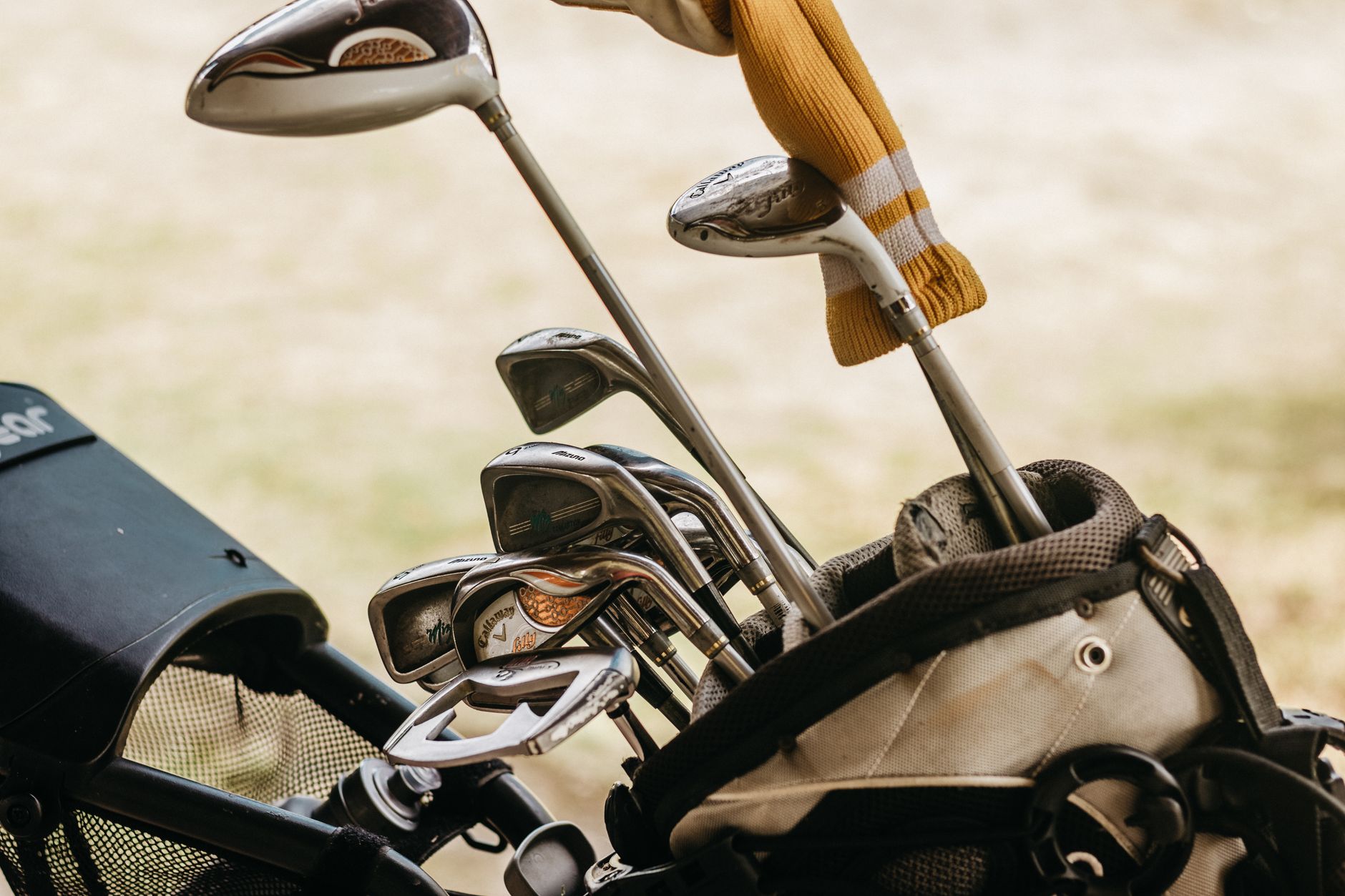
Environmental and Storage Factors
Heat is an underrated enemy of graphite shafts. A closed car trunk in direct sun can push interior temperatures well past the glass transition point of lower-grade resins, softening the matrix and allowing fibres to shift slightly out of alignment. Repeated heat-cool cycles embrittle the resin over time, even without a single hard impact.
This is precisely the failure mode Attomax engineers targeted when formulating NANOALLOY resin for thermal stability across a wide operating range, a detail covered in depth on the materials and engineering page. Pairing a thermally stable resin with TORAYCA carbon fibre reduces the gap between how a shaft performs fresh out of the wrapper and how it performs after a decade of car trunks and golf bag travel.
Build Quality: Where Manufacturing Choices Matter
Fibre orientation, resin-to-fibre ratio, and layer overlap all influence how evenly a shaft distributes load. Lower-cost laminates often use fewer, thicker layers to save cost, which concentrates stress at fewer transition points rather than spreading it across the structure—exactly the opposite of what you want for long-term durability.
Tipping and trimming at the fitting stage matter just as much as the raw material. Cutting too much off the tip, or cutting unevenly, can introduce latent stress long before a golfer ever feels it in ball flight. It's one reason the free ATOM AI fitting tool calculates tip position as part of the full build spec rather than leaving it to guesswork, and why the ATOM spec sheet and tipping notes are published openly rather than treated as proprietary information.
Signs a Shaft Is Approaching Failure
- Fine spiderweb cracking visible in the clear coat, usually near the ferrule or grip end
- A new clicking or ticking sound at the top of the backswing
- A duller, more muted impact sound compared to identical clubs in the set
- Visible paint lift or bubbling that suggests delamination beneath the surface
- A sudden, unexplained shift in dispersion despite no swing changes
Most of the shafts we inspect that 'failed out of nowhere' show fatigue signatures that had been building for a year or more. Durability is rarely about a single bad swing.
— ATOM Authorized Fitter Program
If any of those signs show up during a session, it's worth booking a launch-monitor fitting with an authorized partner before the shaft fails entirely, since a controlled inspection can catch delamination that's invisible to the naked eye on the course.
Durability ultimately comes down to an equation: fibre quality, resin chemistry, build precision, and how carefully the club is handled day to day. A premium shaft built with UHM 65T Carbon and a thermally stable resin will outlast a budget laminate by a wide margin, but even the best shaft suffers if it's paired with a worn-out grip from a bargain bin, since loss of tack forces a tighter grip pressure that transmits more shock into the shaft on every swing. Refreshing worn components from the grip range at the same time you inspect your shafts is a small habit that protects a much larger investment.
Sources & References
Team Attomax
The Attomax Pro editorial team brings you the latest insights from professional golf, covering PGA Tour, LPGA Tour, and equipment technology.