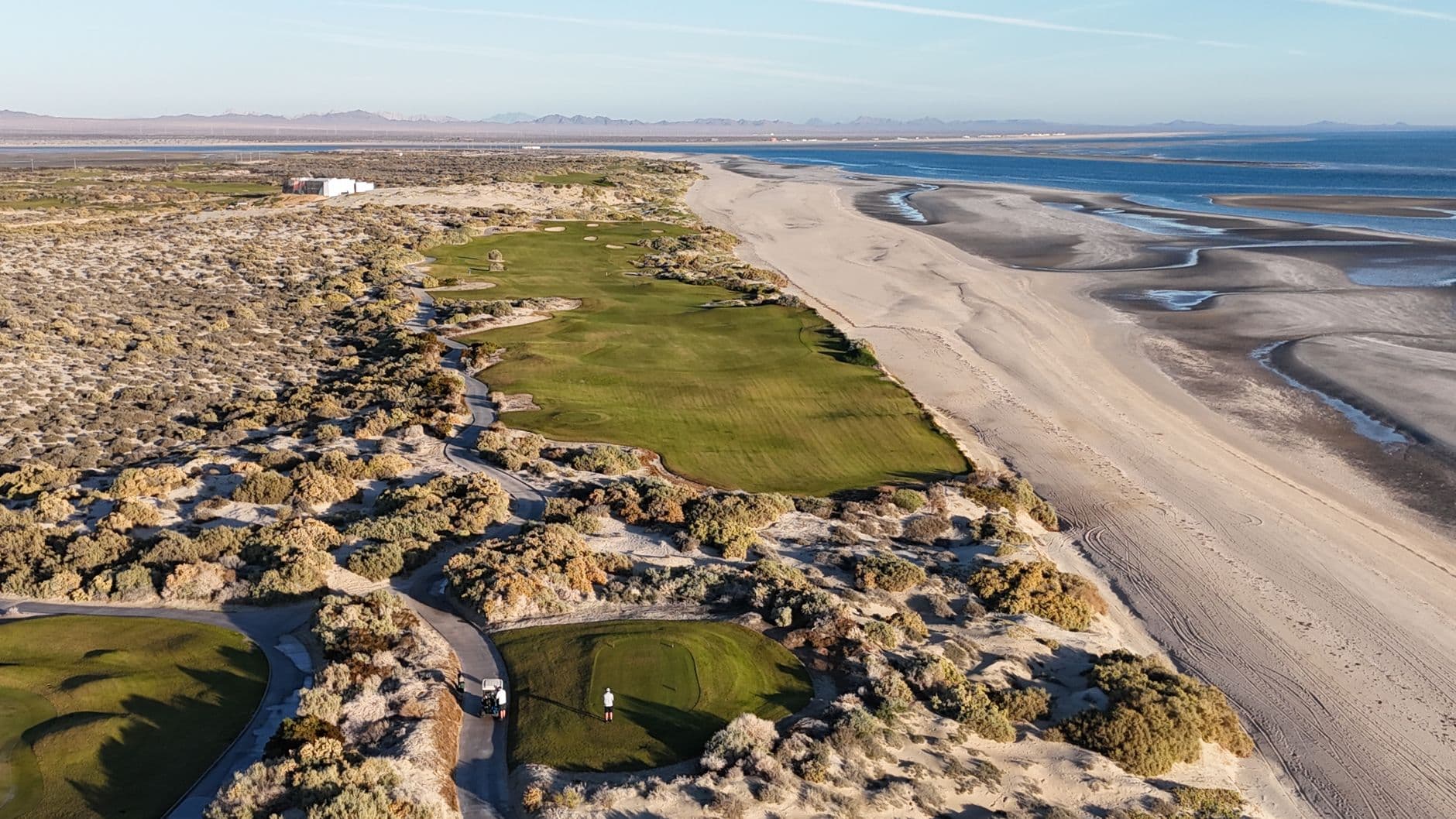
There are demanding golf courses, and then there is Winged Foot. Nestled in Mamaroneck, New York, Winged Foot Golf Club's West Course has a singular reputation in American golf: it does not flatter, it does not forgive, and it does not care who you are. When the USGA wants to remind the world's best players that par is a virtue, not a given, it comes back to Winged Foot.
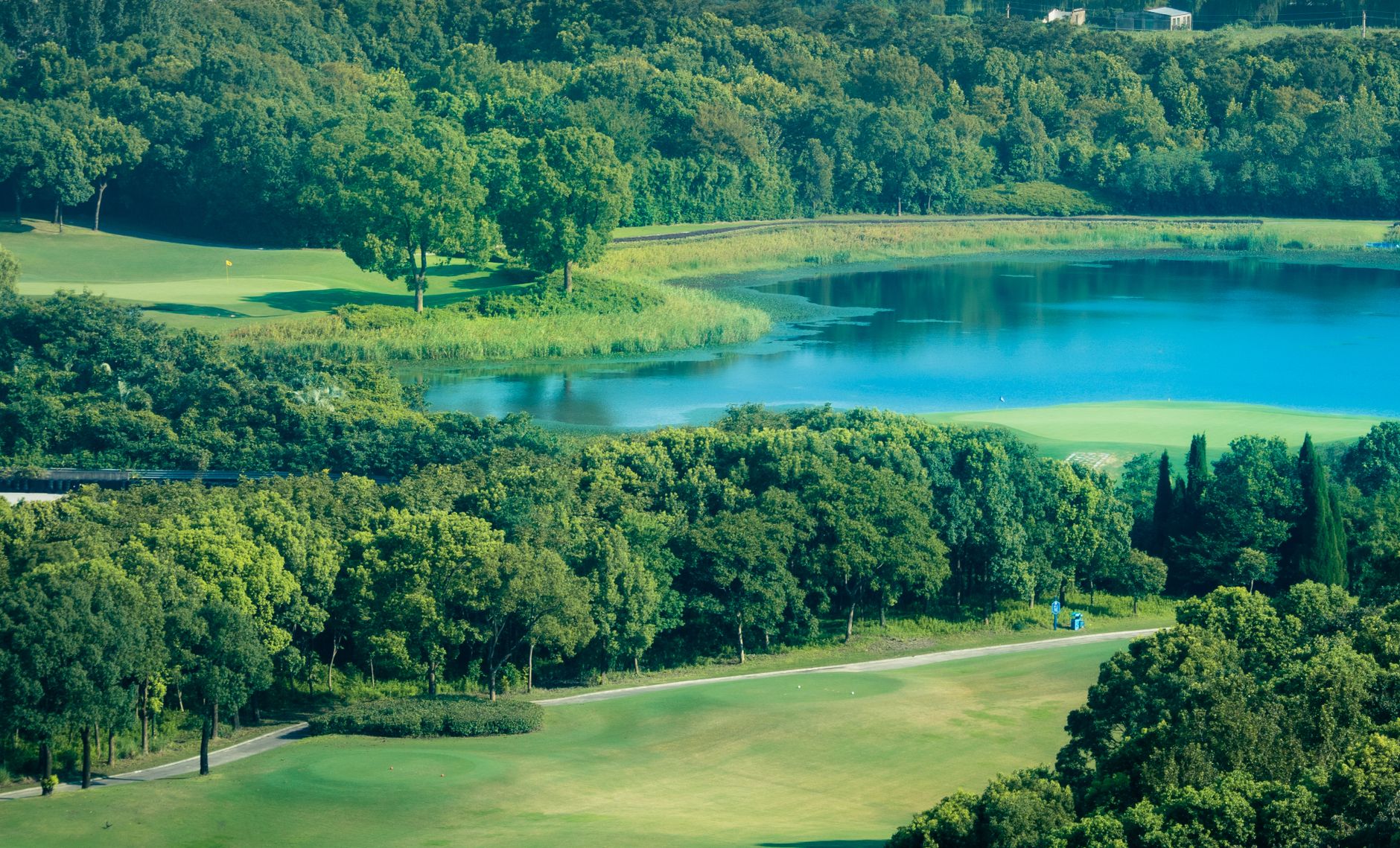
Since hosting its first U.S. Open in 1929, the West Course has produced some of the most dramatic and gut-wrenching finishes in the history of major championship golf. Its combination of A.W. Tillinghast architecture, narrow driving corridors, and the most notoriously difficult putting surfaces in the northeastern United States makes it a venue unlike any other.
Understanding why Winged Foot is so relentlessly difficult requires more than just acknowledging its rough or its length. It demands a deeper look at what Tillinghast designed, how the USGA sets it up, and what separates the players who survive it from those who unravel on it.
The Tillinghast Blueprint: Precision Over Power
A.W. Tillinghast, who completed the West Course in 1923, was uncompromising in his design philosophy. He believed a great course should demand both length and accuracy in equal measure — a principle that has only grown more relevant as modern equipment has shifted the balance of power toward distance-first strategies.
The West Course's par-70 layout — a deliberate choice that makes even reaching even-par feel like an achievement — features wide fairways that narrow deceptively at the landing zone, forcing elite players to be both aggressive and surgical off the tee. Missing the short grass at Winged Foot is not merely inconvenient. It is punitive.
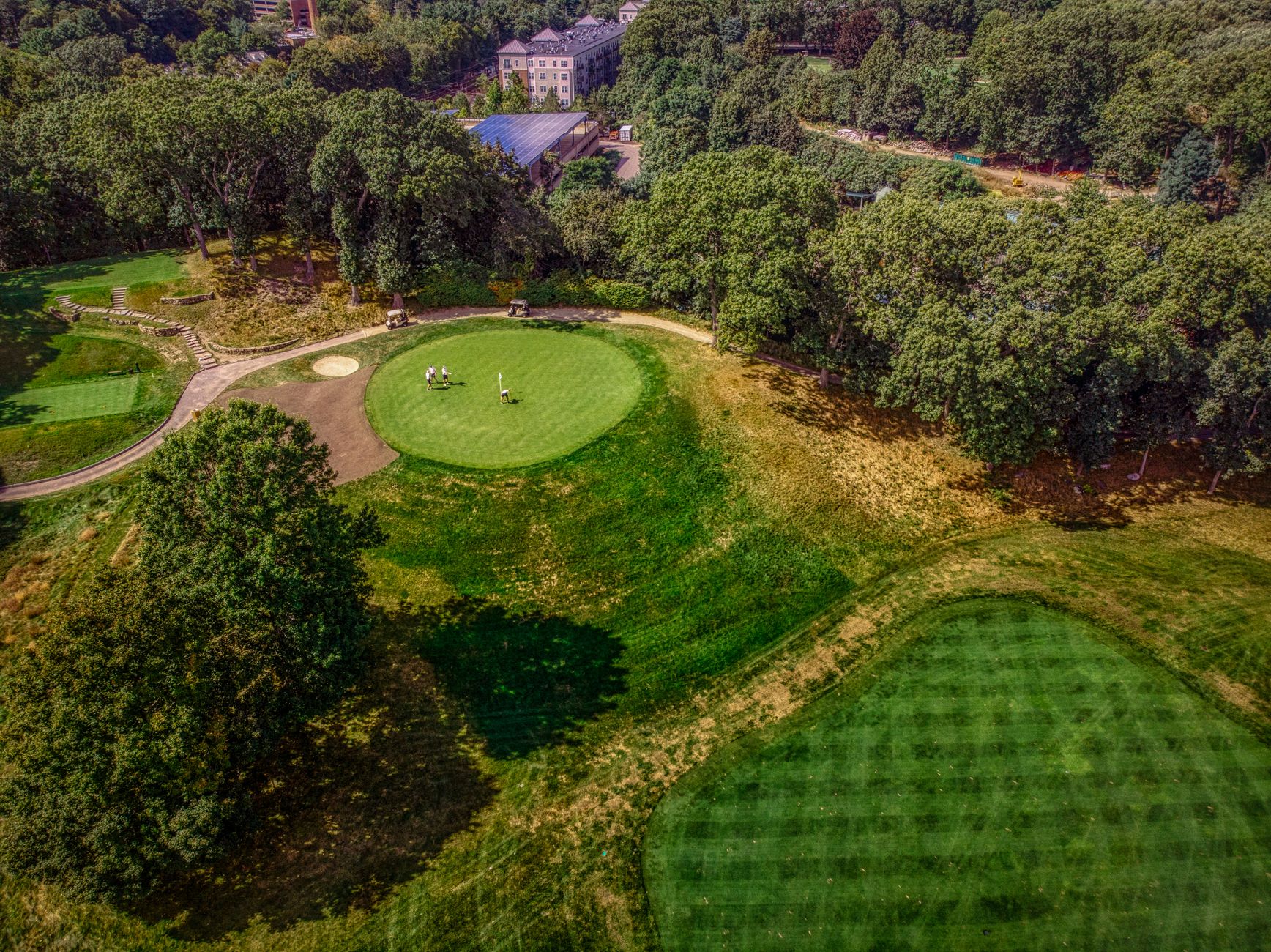
Perhaps the defining architectural feature is the green complexes. Tillinghast designed them to be severely contoured, with tiers and false fronts that render any approach from the wrong angle nearly unplayable. The phrase most associated with Winged Foot greens is deceptively simple: you must miss in the right place. Miss in the wrong place, and bogey becomes a best-case scenario.
The Opens That Defined an Era
Winged Foot's U.S. Open history reads like a catalogue of the game's most iconic — and most agonizing — moments. In 1974, Hale Irwin won with a score of seven-over par, a result that led golf writers to call that championship the 'Massacre at Winged Foot.' It remains one of the most demanding winning totals in modern Open history.
The 1984 U.S. Open saw Fuzzy Zoeller and Greg Norman in one of the most memorable sudden-death playoffs the championship had produced to that point. Norman, who appeared to be making birdie on the 72nd hole, received an ovation from the gallery — prompting Zoeller's now-legendary white-towel wave from down the fairway in a gesture of good-natured concession. Norman had made bogey. Zoeller won the playoff the following day.
Winged Foot is the hardest test in the world. If you can win here, you can win anywhere.
— Hale Irwin
The 2006 U.S. Open, won by Geoff Ogilvy, is remembered for Phil Mickelson's implosion on the 72nd hole — a double bogey that cost him what would have been his first U.S. Open title. It is a moment that crystallizes Winged Foot's cruelest trait: the course does not simply beat the players who are struggling. It breaks the ones who are in contention.
Then came 2020 — a U.S. Open unlike any other, played without spectators due to the global pandemic. Bryson DeChambeau arrived having added significant mass to his frame and a radical distance-first strategy to his game. His approach was almost defiant: overpower Winged Foot rather than submit to it. By hitting driver on holes most players approached with irons, DeChambeau rendered the rough largely irrelevant and captured the title at six-under par. It was a polarizing but undeniably brilliant performance.
Course Management: The Winning Variable
Every U.S. Open at Winged Foot has produced a different strategic lesson, but the common thread is that disciplined course management separates contenders from pretenders. Aggressive flag-hunting on approach shots — a strategy that wins tournaments on tour stops with softer, more accommodating greens — becomes a fast track to double bogeys at Winged Foot.
- Tee shot placement over distance: landing in the correct side of the fairway is essential to access certain pin positions
- Approach shot trajectory: high, soft-landing shots that hold the contoured greens demand exceptional spin control and precise distance management
- Putting surface reading: Tillinghast's multi-tiered greens punish aggressive putting — lag putting and two-putt par saves are currency
- Mental stamina: Winged Foot's scoring pressure compounds over four rounds; players who chase birdies to recover from bogeys often fall further behind
- Wind awareness: the mature tree canopy can mask wind direction at ground level, creating deceptive conditions that affect ball flight on approach
Spin control on approach shots is particularly critical. The ability to land a mid-iron or long iron with enough backspin to hold a Winged Foot green — without releasing through the back of the putting surface — is a skill that separates elite ball strikers from the field. Equipment choice matters here more than most venues acknowledge. The compression and cover interaction of a golf ball under these conditions directly affects how much stopping power a player has on these greens. Players who fine-tune their ball selection to match both their swing speed and the firm, fast conditions typical of a USGA-prepared Open setup — as Attomax's High-Density lineup is engineered to support — gain a measurable edge when approach precision is this consequential.
What Makes Winged Foot Irreplaceable
In an era where technology has softened the grip that classic courses once held over elite players, Winged Foot has adapted without compromising. Selective lengthening, tightened fairway widths at landing zones, and USGA preparation that produces firm, fast conditions ensure the course remains as relevant today as it was when Hale Irwin ground out that seven-over winning score in 1974.
The club itself — private, meticulously maintained, and deeply proud of its championship legacy — operates with the same ethos embedded in its course: excellence without excess. Membership traditions, the locker room culture, and the club's historical records reflect an institution that understands its place in American golf history and treats that stewardship seriously.
Winged Foot is not the longest course the USGA deploys for the U.S. Open. It is not the most visually spectacular. What it is, without serious argument, is the most honest examination of a complete golf game that major championship golf offers. Every weakness — tee-to-green accuracy, spin control, green reading, mental composure — is exposed, catalogued, and ultimately reflected in the scorecard. That is not cruelty. That is the U.S. Open at its purest.
Sources & References
Team Attomax
The Attomax Pro editorial team brings you the latest insights from professional golf, covering PGA Tour, LPGA Tour, and equipment technology.