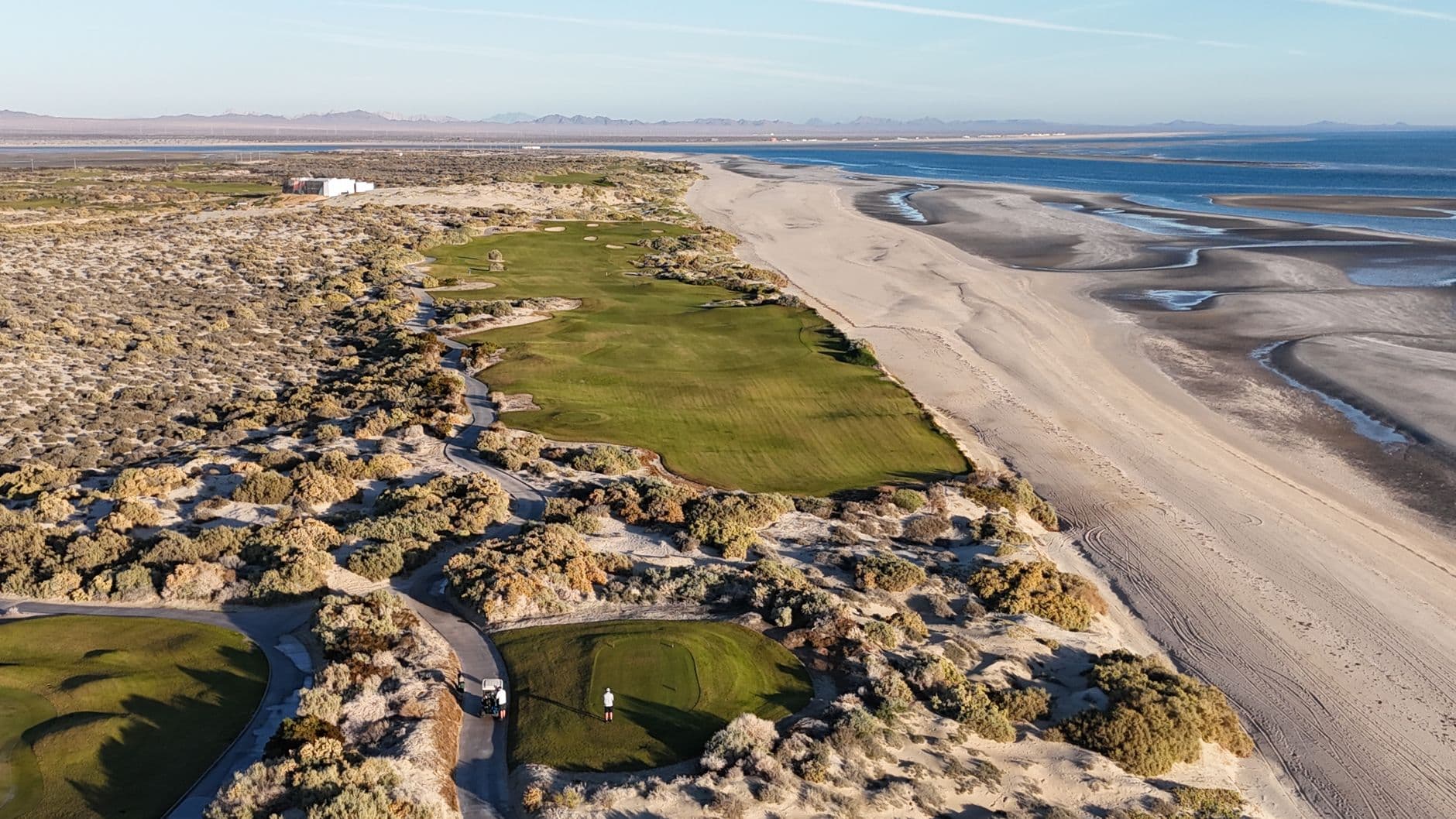
There are golf courses that test you, and then there is Winged Foot Golf Club's West Course in Mamaroneck, New York — a venue that has systematically dismantled the pretensions of every generation of elite player unfortunate enough to underestimate it. Five U.S. Opens, a PGA Championship, and a U.S. Amateur have been staged here, and the leaderboard at each has read more like a survivor's log than a victory parade.
The West Course does not punish luck. It punishes ego. It punishes the instinct to attack when the correct decision is to lay back, shape a controlled fade into a narrow landing zone, and accept bogey as a moral victory. Understanding why Winged Foot humbles the world's best is, in many ways, a masterclass in course architecture — and in the gap between raw talent and elite course management.
The Architectural Genius of A.W. Tillinghast
Winged Foot West opened in 1923, designed by Albert Warren Tillinghast — a man whose portfolio includes Baltusrol, Quaker Ridge, and San Francisco Golf Club. Tillinghast was commissioned to build "a man-sized course," and he delivered with rare conviction. The layout is deliberately honest in its cruelty: there are no trick holes, no blind shots designed to confuse. The punishment is entirely proportional to the quality of the decision preceding it.
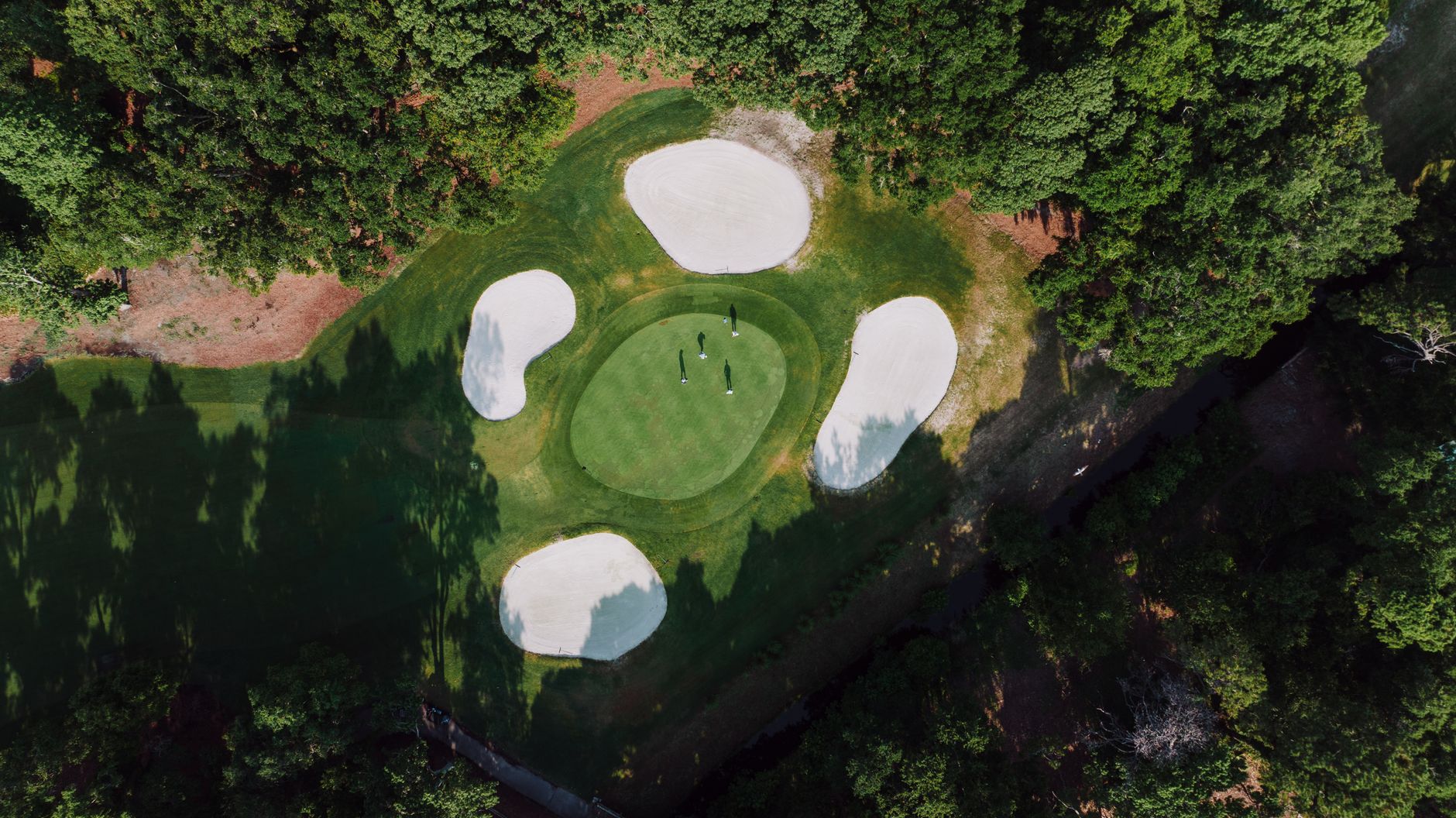
What Tillinghast engineered at Winged Foot was a course that forces players to shape every shot with precision — particularly long, accurate approaches into heavily contoured, tightly guarded greens. The putting surfaces average among the largest of any U.S. Open venue, yet they are routinely positioned so that only one or two pin positions on each green are genuinely accessible. Miss by five yards in the wrong direction and you are in a hollow, on a slope, or buried in rough that effectively eliminates par as a realistic outcome.
The West Course's Defining Characteristics
For those who have studied or played the course, several features stand out as structurally punishing in a way that separates Winged Foot from almost any other venue on the major circuit rotation.
- Par-70 layout: The course plays as a par 70 in U.S. Open setup, stripping away two par-5s that might otherwise offer birdie relief. Scoring opportunities are brutally scarce.
- Narrow driving corridors: Mature trees line virtually every fairway, demanding accuracy off the tee above all else. Distance without direction is actively penalized.
- Approach shot complexity: The greens are elevated, angled, and often contoured so severely that back-pin positions can require approaches that carry thirty feet of elevation change.
- Deep, clinging rough: Under USGA championship setup, the rough at Winged Foot grows to a thickness that renders recovery shots largely defensive — par from the rough is a win.
- The closing stretch: Holes 16 through 18 constitute one of the most demanding finishing sequences in major championship golf, with each hole capable of swinging the entire leaderboard.
The Shots That Define a Round Here
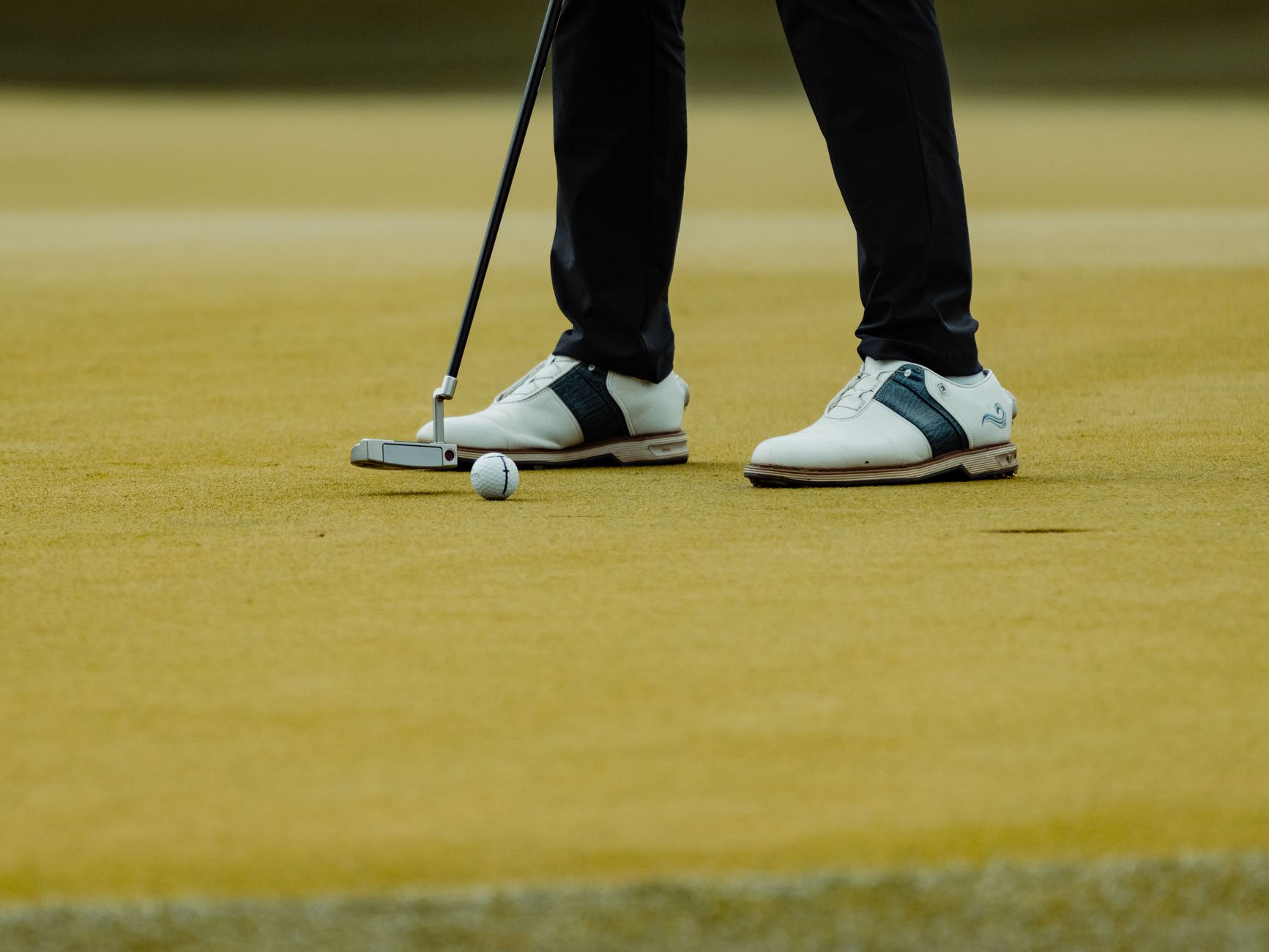
Ask any serious student of the game to describe Winged Foot's most demanding shot-making requirement and the answer is almost universal: the long iron or hybrid approach into a guarded green with the pin tucked behind a false front or a bunker complex. There is simply nowhere to hide. Players who rely on brute distance to overpower courses discover quickly that Winged Foot cannot be muscled into submission. The required ball flight is a controlled mid-trajectory shot with enough spin to hold a firm, fast surface — the antithesis of the high-spin bomb-and-gouge approach that works at softer, more yielding venues.
This is precisely where equipment decisions matter enormously. A shaft with too-active a tip section will produce the inconsistent launch angles that Winged Foot punishes; a ball that balloons in its flight will drift under the pressure of any crosswind funneling through those tree corridors. Players who prioritize penetrating ball flight and spin control — the kind of performance Attomax's High-Density Medium compression ball is engineered to deliver — are far better suited to the course's demands than those chasing maximum distance at the expense of trajectory stability.
Legends Made and Unmade on the West Course
Winged Foot's U.S. Open history reads as a catalog of golf's most dramatic moments. The 1974 edition — won by Hale Irwin with a score that stood well above par — cemented the course's reputation as a legitimate examination of par itself, not a competition to post birdie numbers. The 2006 U.S. Open produced one of the most heartbreaking finishes in major history at the 72nd hole, a moment seared into the memory of anyone who followed that championship.
The 2020 U.S. Open, played behind closed doors during the pandemic, saw Bryson DeChambeau attempt to overpower the West Course with sheer distance, transforming approach angles with a strategy that generated significant debate within the coaching and analytical community. His victory was genuine and historic — but the margins were razor thin, and the course still extracted its toll from the rest of the field in characteristically unforgiving fashion.
Winged Foot is the toughest test I've ever faced. Every shot demands a decision. There's no place on this course where you can switch off.
— Composite sentiment from multiple U.S. Open competitors at Winged Foot
Course Management: The Real Separator
What separates Winged Foot survivors from its victims is not swing mechanics — it is the capacity for sustained, disciplined course management under pressure. The temptation to chase a tucked pin on a back-right shelf is almost irresistible when a player needs birdies; the cost of that decision, when misjudged by even a short margin, is often a double bogey or worse.
Elite caddies at major level often talk about "taking what the course gives you" — a philosophy that Winged Foot enforces with particular severity. The smart play at nearly every green complex is to the fat portion of the putting surface, accepting a lengthy putt over a short-sided chip from impossible lies. Over 72 holes, that discipline — playing percentage golf when instinct screams otherwise — is the single greatest factor separating those who contend from those who miss the cut.
Wind, Firmness, and Setup Variables
Winged Foot's difficulty is not static. The USGA's championship setup — which controls rough height, green speed, and pin placement — can shift the course from brutally hard to virtually unplayable depending on weather conditions. When a southwest wind presses across the property and the greens have been allowed to firm and quicken, the scoring average climbs to levels that redefine what competitive professional golf looks like. Under those conditions, a player's shaft profile and ball compression selection become strategic decisions, not merely preferences.
Winged Foot Golf Club's West Course is not sadistic for its own sake. Tillinghast built a course that rewards the complete golfer — the player who can shape shots both ways, control trajectory under pressure, manage a round across 72 holes without capitulating to a single bad stretch, and make decisions with the patience of a surgeon rather than the ambition of a gambler. That combination is extraordinarily rare, which is precisely why the West Course continues to humble the very best players in the world, year after year, decade after decade.
Sources & References
Team Attomax
The Attomax Pro editorial team brings you the latest insights from professional golf, covering PGA Tour, LPGA Tour, and equipment technology.