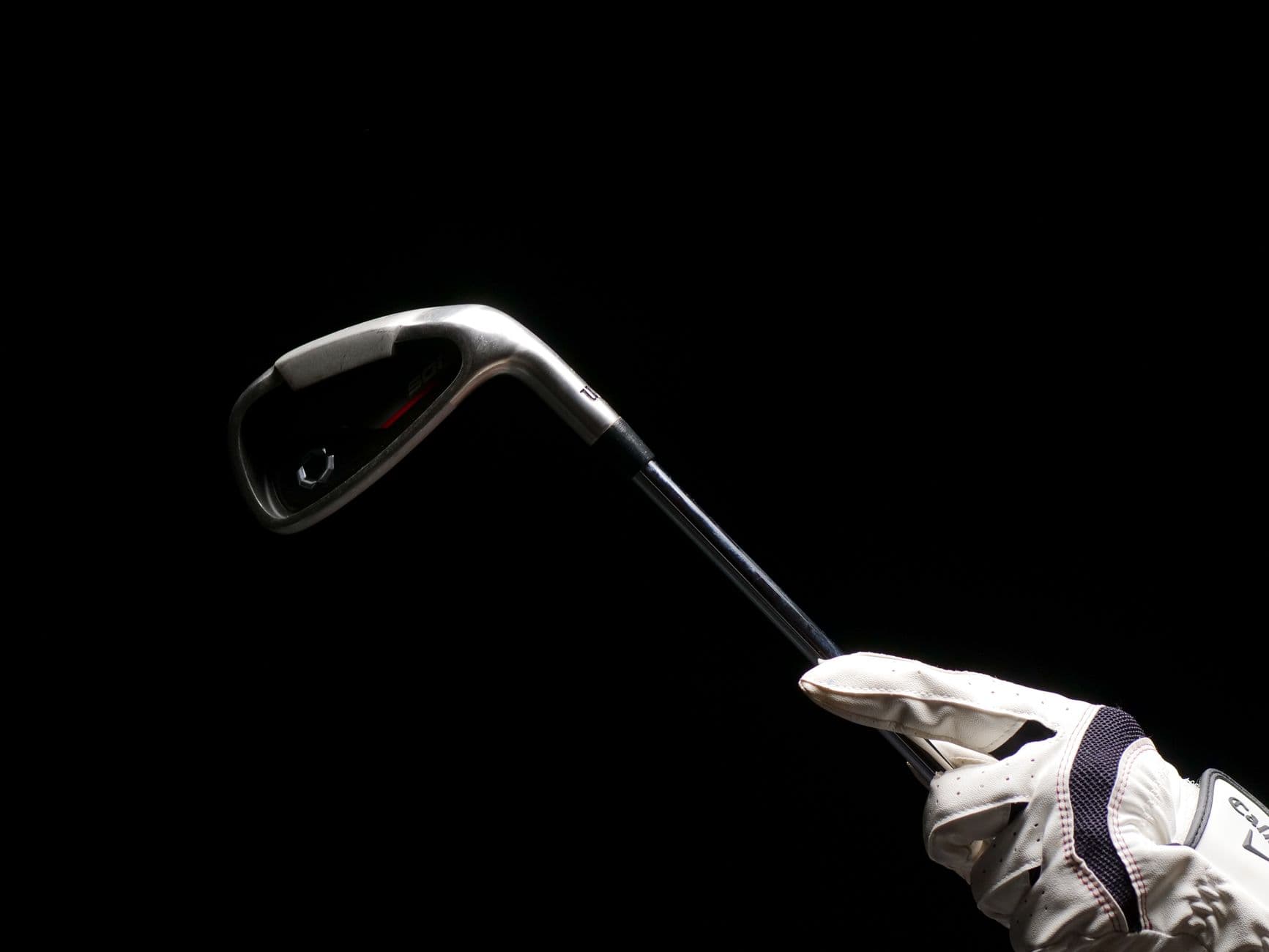
Every golfer obsesses over shaft flex, launch windows, and spin rates, yet the single point of contact between player and club is routinely treated as an afterthought. That's a mistake. The grip is the only piece of equipment that transmits feedback directly through your hands, and its performance degrades unevenly depending on the conditions you play in.
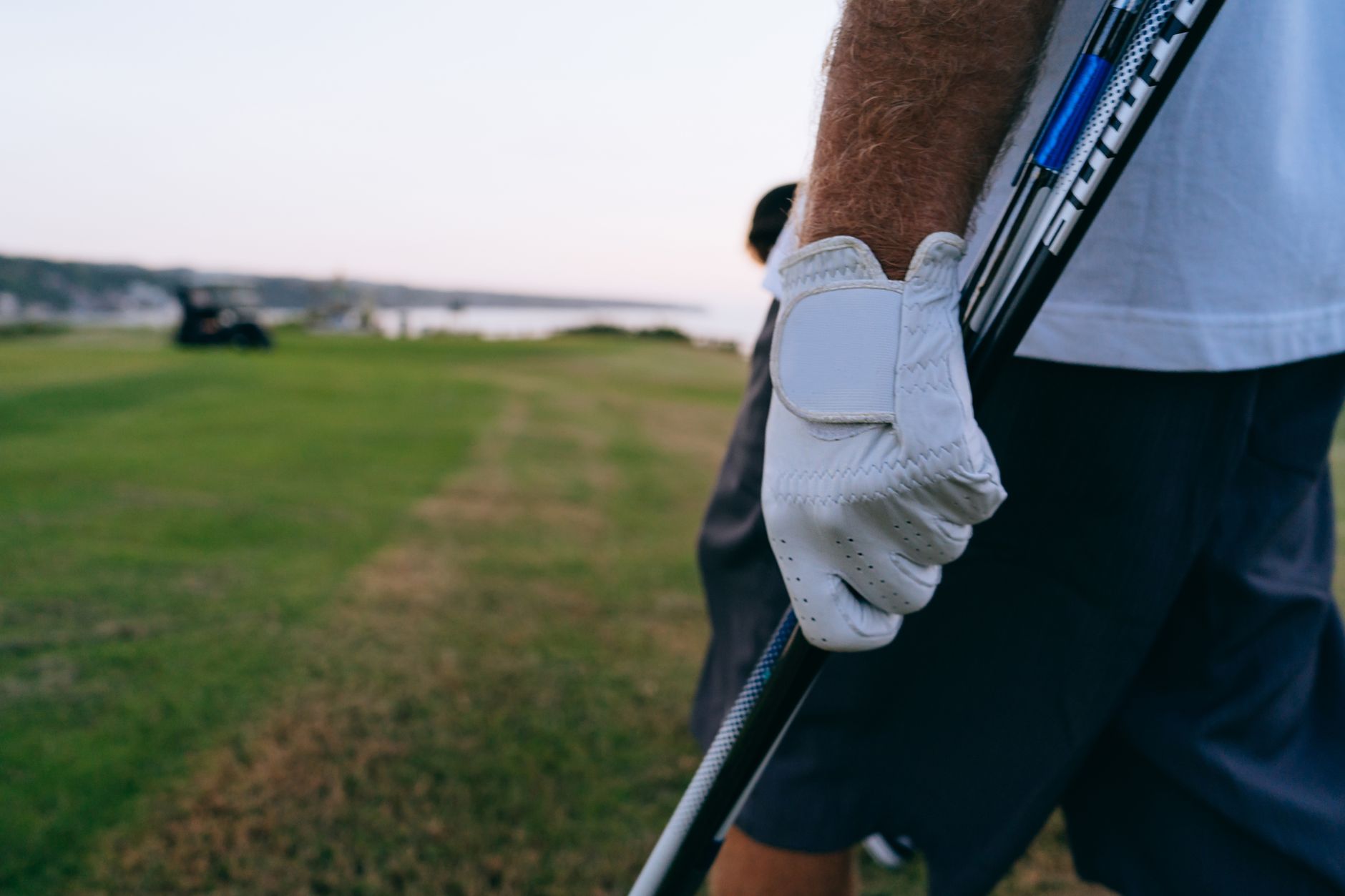
A grip that feels tacky and confidence-inspiring in a dry 72-degree fitting bay can turn greasy and unpredictable the moment humidity spikes, rain arrives, or temperatures drop below 40 degrees. Understanding why that happens requires a basic grasp of polymer chemistry and surface engineering, not just marketing language about 'all-weather' performance.
Why Heat and Humidity Break Down Traditional Rubber
Conventional rubber grips rely on surface texture and compound tackiness to generate friction. In high heat, two things work against you simultaneously: the rubber itself softens and becomes more prone to compressing unevenly under grip pressure, while palm sweat forms a thin film that the compound can't fully absorb or disperse.
The result is a grip that feels secure at address but shifts fractionally during the transition or downswing, often without the player even noticing until a shot is pulled or blocked. This is particularly costly for players with faster transitions, where grip pressure spikes and any micro-slip translates directly into clubface rotation at impact.
This is precisely where advanced resin chemistry earns its keep. Attomax grips are built with a NANOALLOY resin compound engineered to maintain a consistent coefficient of friction across a wider humidity range than standard rubber blends, so the tack profile you feel on the range in April doesn't disappear on a sticky August afternoon.
- Heat softens standard rubber compounds, reducing torsional stability under grip pressure
- Palm sweat creates a film layer that overwhelms shallow surface texturing
- Micro-slip during transition is often invisible to the player but visible in dispersion patterns
- Humidity-resistant resin compounds maintain friction coefficients more consistently than commodity rubber
Cold Weather: The Opposite Problem
Cold presents an almost inverse challenge. Below a certain temperature threshold, most rubber and synthetic compounds stiffen, losing the slight give that allows a grip to conform to the hand. A stiffened grip feels harder and less communicative, which tends to push players toward gripping tighter to compensate, an adjustment that restricts wrist hinge and can flatten an otherwise natural release.
Cold also slows reaction time in the hands themselves, so any reduction in tactile feedback from the grip compounds the problem rather than offsetting it. This is why late-season and early-spring rounds often produce more mishits than equipment alone would predict; the hands are cold, the compound is stiff, and the feedback loop between grip and clubface is degraded on both ends.
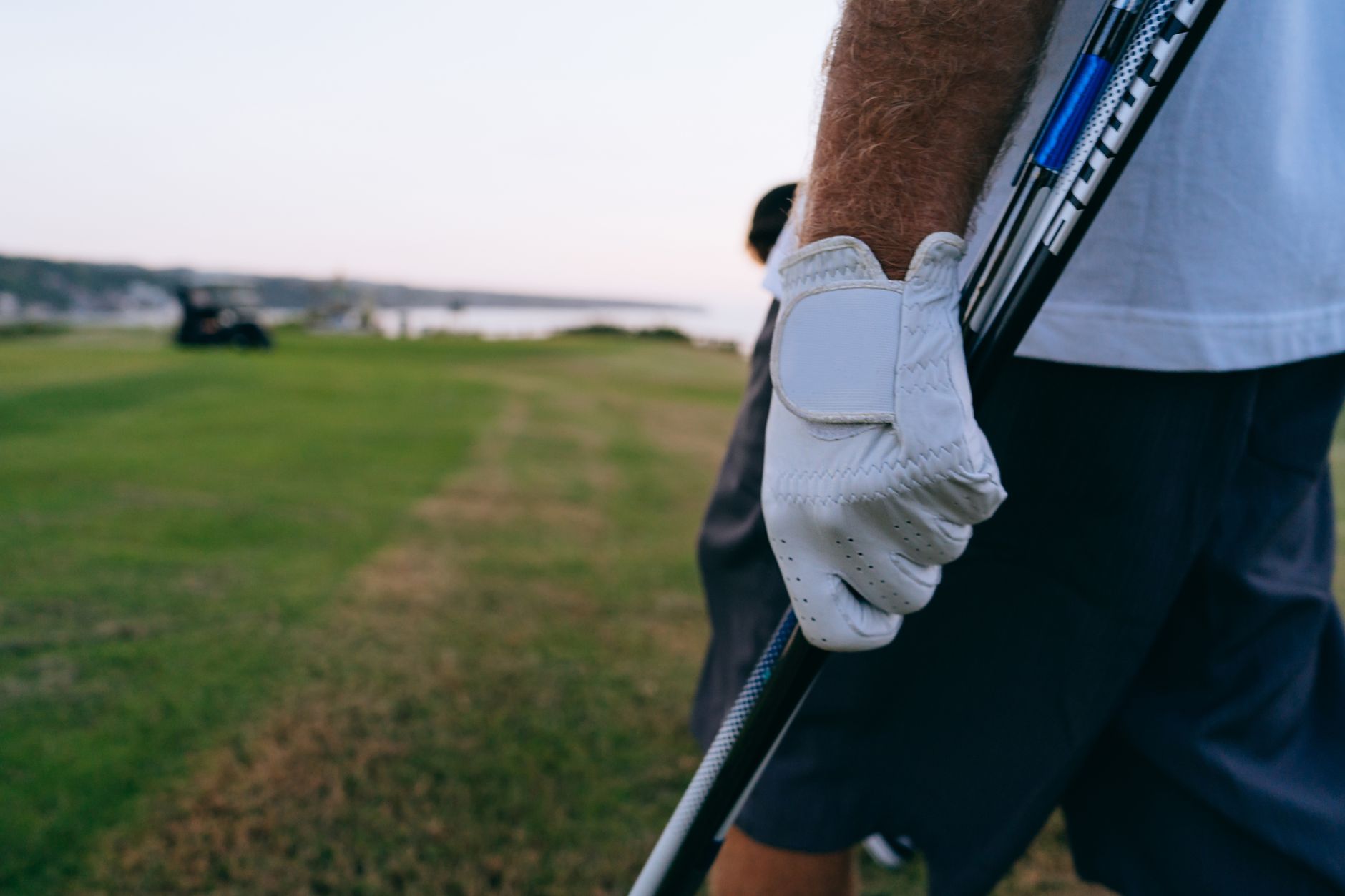
Material selection matters enormously here. A compound that stays in a usable elasticity window across a 40-degree swing, from a chilly morning tee time to an afternoon warm-up, is doing real engineering work, not just offering a marketing claim.
Rain and the Myth of the 'Waterproof' Grip
No grip is truly waterproof in the sense of ignoring water entirely; what separates a genuinely rain-capable grip from a marketing claim is how it channels and manages water once it's present. Surface patterning matters as much as compound chemistry here, since channels and texture depth determine whether water is pushed away from contact points or trapped beneath the palm.
Players who compete regularly in wet climates often underestimate how much grip pressure they're adding subconsciously to compensate for perceived slip, and that added tension travels up the forearm and shoulders, altering tempo. Addressing the root cause with a proper grip compound, rather than simply squeezing harder, preserves the swing you actually built on the range.
The grip is the last thing players upgrade and the first thing that should be checked when ball-striking gets inconsistent across a season.
— Attomax Pro Fitting Notes
Matching Grip Choice to Your Climate and Season
If you play predominantly in one climate, grip selection can be tailored fairly precisely. Golfers in consistently hot, humid regions benefit most from compounds engineered for moisture dispersion and sustained tack, while players in four-season climates need a compound that performs adequately across the full range rather than excelling in only one condition.
Grip size also interacts with all of this more than most players realize. A grip that's slightly undersized for your hand will amplify any tack loss, since there's less surface area to compensate for a marginal slip, which is one reason sizing conversations belong alongside compound conversations rather than as an afterthought. The full Attomax grip range is built around this principle, offering sizing and texture options designed to hold up as conditions shift across a round or a season.
It's also worth remembering that grip performance doesn't exist in isolation from the rest of the build. A shaft's torque and weight interact with grip tack to determine how much the club face can twist in wet or cold conditions before you feel it, which is why serious players often review their full specification rather than swapping one component in isolation; the ATOM spec sheet and build notes cover how grip, shaft weight, and torque work together across conditions.
For players unsure whether their current setup is actually costing them strokes in adverse weather, a proper evaluation is worth the time investment. The free ATOM AI swing-analysis fitting tool can help identify whether inconsistency under heat or cold stems from grip, shaft, or swing mechanics, rather than guessing at the cause.
Ultimately, all-weather grip technology isn't about a single breakthrough material so much as a layered approach: resin chemistry that resists temperature-driven stiffening and softening, surface patterning that manages water rather than merely resisting it, and sizing that accounts for how much margin a player actually needs. Attomax grips conform with the Rules of Golf and are engineered in Korea, with manufacturing in Takamatsu, Japan, bringing the same materials discipline to grips that the brand applies to its amorphous metal and carbon fibre shaft construction.
Players who travel for golf, or simply play through a full four-season calendar, stand to gain the most from treating grip selection as seriously as shaft selection. For those running a fitting studio or working with clients across varied climates, the considerations are worth building into every session; details on partnering through the ATOM Authorized Fitter Program are available for fitters looking to formalize that process.
Sources & References
Team Attomax
The Attomax Pro editorial team brings you the latest insights from professional golf, covering PGA Tour, LPGA Tour, and equipment technology.