Ask ten golfers what shaft flex they play and most will answer instantly. Ask them the butt diameter of that same shaft, and you'll get a blank stare. It's a half-millimeter figure buried in a spec sheet, yet it governs how a grip actually seats on the shaft, how much tape gets wrapped underneath it, and ultimately how the club feels in the hands from address to impact.
Butt diameter isn't a marketing number. It's a tolerance that club builders either respect or ignore, and the difference shows up as a grip that feels either locked-in or vaguely loose no matter how many wraps of tape get added underneath.
The Overlooked Variable
Most fitting conversations revolve around flex, torque, and weight — all legitimate variables that affect launch and dispersion. Butt diameter gets skipped because it rarely shows up on a launch monitor readout. It's a mechanical fit issue, not a launch condition, so it hides in plain sight even during otherwise thorough fittings.
The industry standard for a .600-tip steel shaft typically runs a slightly different butt diameter than a graphite shaft built to the same swing weight, and carbon composite shafts using different fiber layups can vary further still. When a builder swaps shaft brands or models without checking this number, grip fit becomes a guessing game solved with extra tape — a workaround that changes core size and, subtly, swing feel.
Why Butt Diameter Matters More Than You Think
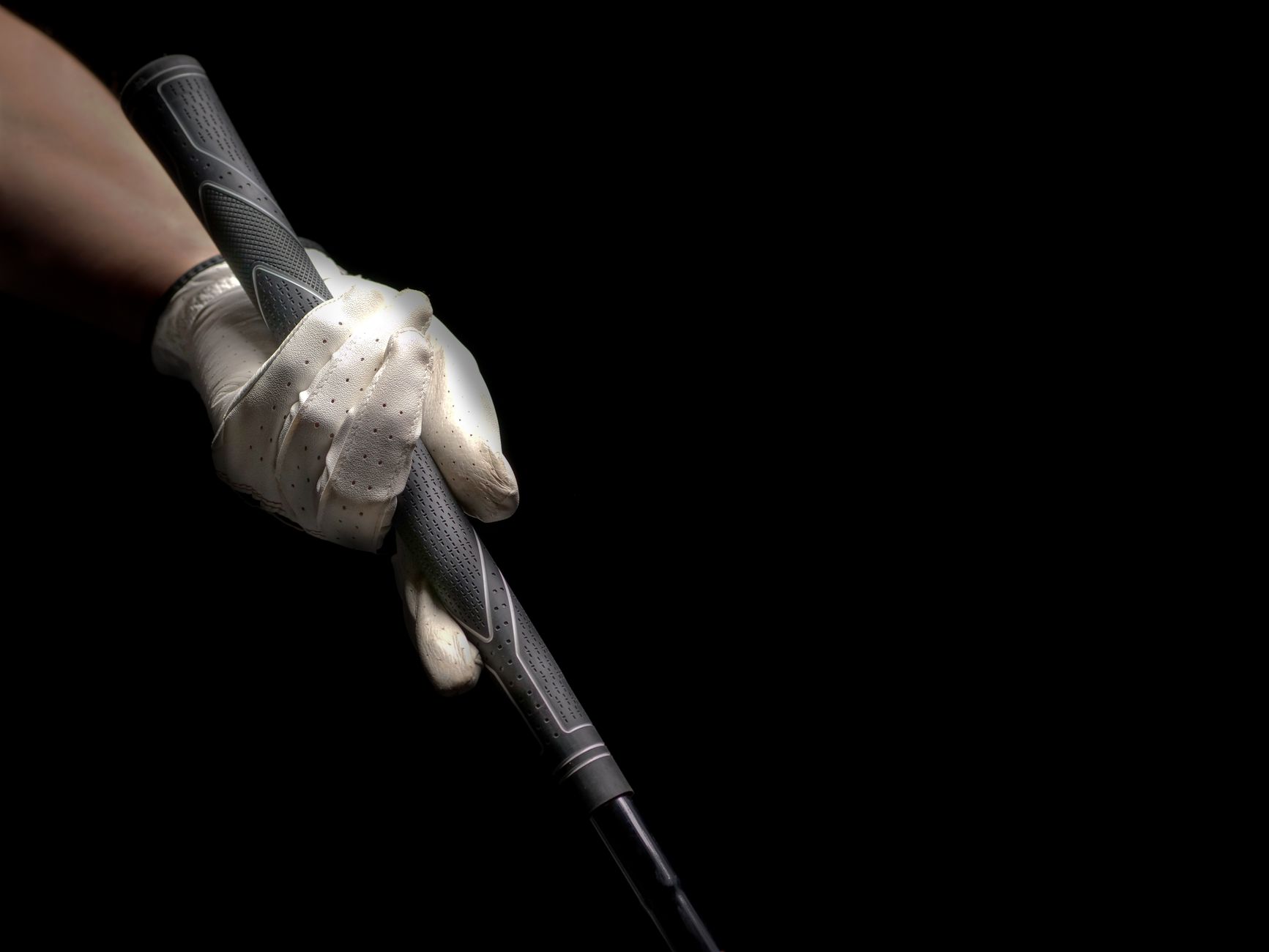
A grip's stated size — standard, midsize, jumbo — assumes a specific core diameter matched to a specific shaft butt diameter. Change the shaft's butt diameter without adjusting tape wraps, and that same 'standard' grip can play noticeably larger or smaller in the hands than intended.
This matters more than most golfers assume, because grip size directly influences release timing and clubface rotation through impact. A grip that plays even slightly oversized tends to restrict wrist action and can leave the face open at impact; one that plays undersized can encourage overactive hands and a hook-prone release.
- Oversized-feeling grips: reduced wrist release, tendency toward a blocked or open face
- Undersized-feeling grips: more active hands, tendency toward hook spin
- Inconsistent butt diameters across a set: uneven feel club to club, even with identical stated grip sizes
- Extra tape as a workaround: changes total grip weight and swing weight, not just diameter
Tip Size, Tape Build, and the Math of Fit
Professional club builders solve this with a simple but often-skipped calculation: measure the shaft's actual butt diameter, subtract it from the grip's core diameter, and use standard tape-wrap increments to close the gap precisely rather than approximately. Skipping this step is how two golfers can install the 'same' midsize grip on different shaft models and end up with two entirely different in-hand feels.
This is exactly why serious fitters treat grip selection as a paired decision with shaft selection rather than an afterthought. Attomax addresses this at the manufacturing level by holding tight butt-diameter tolerances across the entire ATOM Black and ATOM Blue lineup, so the build math stays consistent whether a fitter is working with an R-flex or an X-flex, a single-flex model or a G-designation multi-flex shaft. Full tolerance figures, along with tipping and tape-wrap guidance, are published on the ATOM spec sheet and build guide for anyone building or re-gripping a set.
Amorphous Metal, Carbon Layups, and Manufacturing Consistency
Construction method plays a real role here too. A shaft built with UHM 65T carbon fibre and TORAYCA carbon fibre reinforced with NANOALLOY resin behaves differently at the butt section than a traditional steel taper, and the amorphous metal alloy wire used in Attomax's flex-tuned designs adds another layer of engineering precision that has to be matched by equally precise butt tolerancing. Golfers curious about how these materials interact with feel and consistency can dig into the specifics on the Attomax materials and construction page.
The practical upshot is that shaft and grip should never be selected in isolation. A golfer moving between the ATOM shaft range and a new set of grips from the Attomax grip lineup should expect the fitter to check butt diameter against grip core size before a single wrap of tape goes down — not after the club already feels off on the range.
Getting It Right
For golfers building or re-gripping at home, the fix is straightforward: measure before you tape, and don't assume 'standard' means the same thing across every shaft on the market. For those working with a fitter, it's worth asking directly whether butt diameter and tape build are being checked as part of the process, not just flex and length.
Grip fit is the last mechanical connection between the golfer and the golf swing — get the diameter wrong and every other spec is compensating for a mistake.
— Club fitting industry perspective
Golfers who want this dialed in precisely rather than estimated can start with the free ATOM AI swing-analysis fitting tool, which factors grip size preferences into shaft recommendations, or book a session with a launch-monitor professional through the fitter locator. Either route beats the old default of wrapping on a few extra layers of tape and hoping the numbers work out.
Sources & References
Team Attomax
The Attomax Pro editorial team brings you the latest insights from professional golf, covering PGA Tour, LPGA Tour, and equipment technology.