Most golfers replace their grips reactively, waiting for cracks, shine, or that unmistakable slick feeling in humid air before doing anything about it. By the time a grip looks worn, however, it has usually already been costing you swing speed and consistency for weeks. The industry shorthand of a 40-round replacement window is a useful baseline, but the real answer is more nuanced and depends heavily on the compound, your grip pressure, and how you store your clubs.
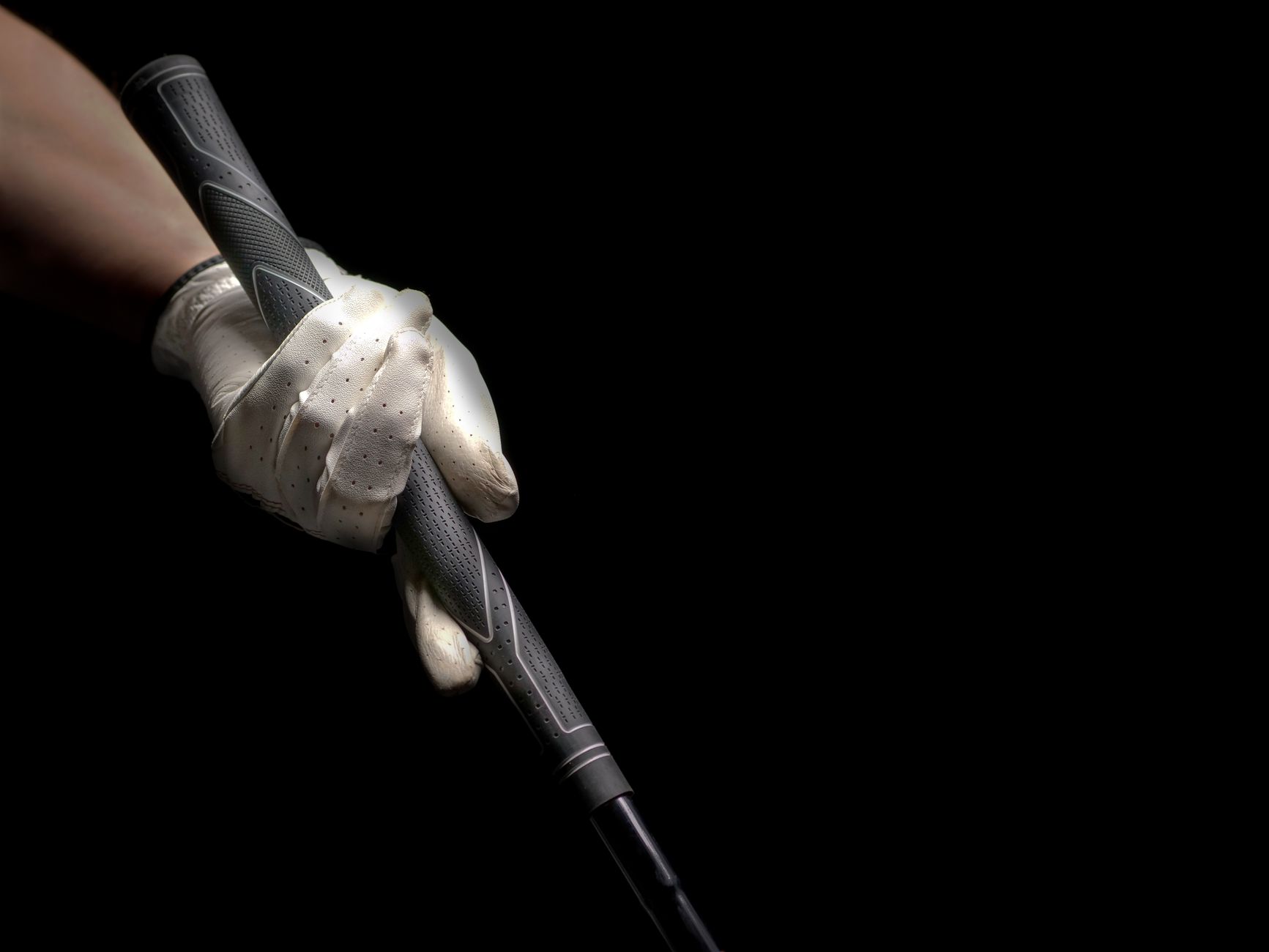
Grip degradation is not a cosmetic issue. It is a traction and vibration-transfer issue, and both affect the numbers that show up on a launch monitor long before they show up to the naked eye.
Why 40 Rounds Became the Industry Benchmark
The 40-round figure originated as a rough conversion from an annual replacement recommendation for the average golfer playing once a week. It assumes moderate climate exposure, average grip pressure, and standard rubber or synthetic-rubber compounds. It was never meant to be a precise countdown, more a floor beneath which almost every golfer will have noticed measurable performance loss.
Where the number breaks down is in the variables it ignores. A player who grips down with high pressure in humid conditions can glaze a grip's surface in half that time, while a low-pressure swinger in a dry climate using a premium hybrid compound can comfortably extend well past it.
- Climate and sweat exposure accelerate compound hardening far more than swing count alone
- Grip pressure and swing speed determine how quickly surface texture wears smooth
- Storage matters: clubs left in a hot trunk oxidize rubber compounds faster than bag storage indoors
- Compound type changes the curve entirely, hybrid and thermoplastic materials resist glazing longer than standard rubber
What Actually Happens as a Grip Wears
Every grip compound has microscopic surface texture designed to channel moisture and maintain friction under load. As rounds accumulate, oils from your hands and UV exposure oxidize that surface, smoothing the texture and effectively lowering the coefficient of friction at the exact moment your hands need it most, during transition and impact.
The immediate symptom is compensatory grip pressure. Golfers unconsciously squeeze harder to maintain control on a slick grip, and that added tension in the hands and forearms restricts wrist hinge and delays release, which shows up as lost clubhead speed and inconsistent face angle at impact. It is a subtle chain reaction, but it is measurable, and it is one of the reasons a fitting session that only looks at the shaft can miss half the story.
This is also why grip sizing and compound selection deserve the same attention as shaft flex. Undersized or over-worn grips both force the same unwanted grip pressure, and the current grip range is built specifically to hold surface texture and tack longer under repeated impact and moisture exposure than standard rubber options.
A More Accurate Way to Track Your Number
Rather than counting rounds on a calendar, track two things: playing frequency and climate. A golfer playing twice weekly in a humid coastal region should treat 40 rounds as an outer limit, not a target, while a once-a-week player in a dry inland climate may reasonably stretch toward 60.
The simplest field test remains tactile. Grip the club with your normal pressure, close your eyes, and rotate the handle slightly in your hands. If you feel any slip before your fingers register resistance, the surface texture has already degraded past the point where it should be trusted in wet conditions or under pressure on the course.
Where Grips Fit Into the Bigger Fitting Picture
Grip condition is frequently the missing variable in a fitting conversation that otherwise focuses entirely on shaft flex and weight. A worn grip can mask or mimic a shaft mismatch, since both produce the same symptom: excess tension and a loss of release through impact. That overlap is exactly why the free ATOM AI fitting tool evaluates tempo and grip-pressure indicators alongside swing speed rather than treating shaft selection in isolation.
For golfers who have recently changed shafts, whether stepping into a stiffer flex or a different weight class from the ATOM shaft lineup, it is worth replacing grips at the same time. A fresh, correctly sized grip ensures the swing changes you are trying to isolate from a new shaft are not being confounded by degraded traction from an old one.
Golfers obsess over shaft flex and forget the one piece of equipment their hands touch on every single swing. Grip wear is silent, but the data never lies.
— Attomax Pro Fitting Team
If you are unsure whether current grip wear is masking a deeper equipment issue, a launch monitor session with an authorized fitting partner can isolate the variable definitively, comparing impact consistency before and after a grip change under identical shaft conditions.
The 40-round rule remains a sound starting point for any golfer without a more specific tracking method, but it is a floor rather than a fixed rule. Treat it as the point at which you should start testing rather than the point at which you should be surprised.
Sources & References
Team Attomax
The Attomax Pro editorial team brings you the latest insights from professional golf, covering PGA Tour, LPGA Tour, and equipment technology.