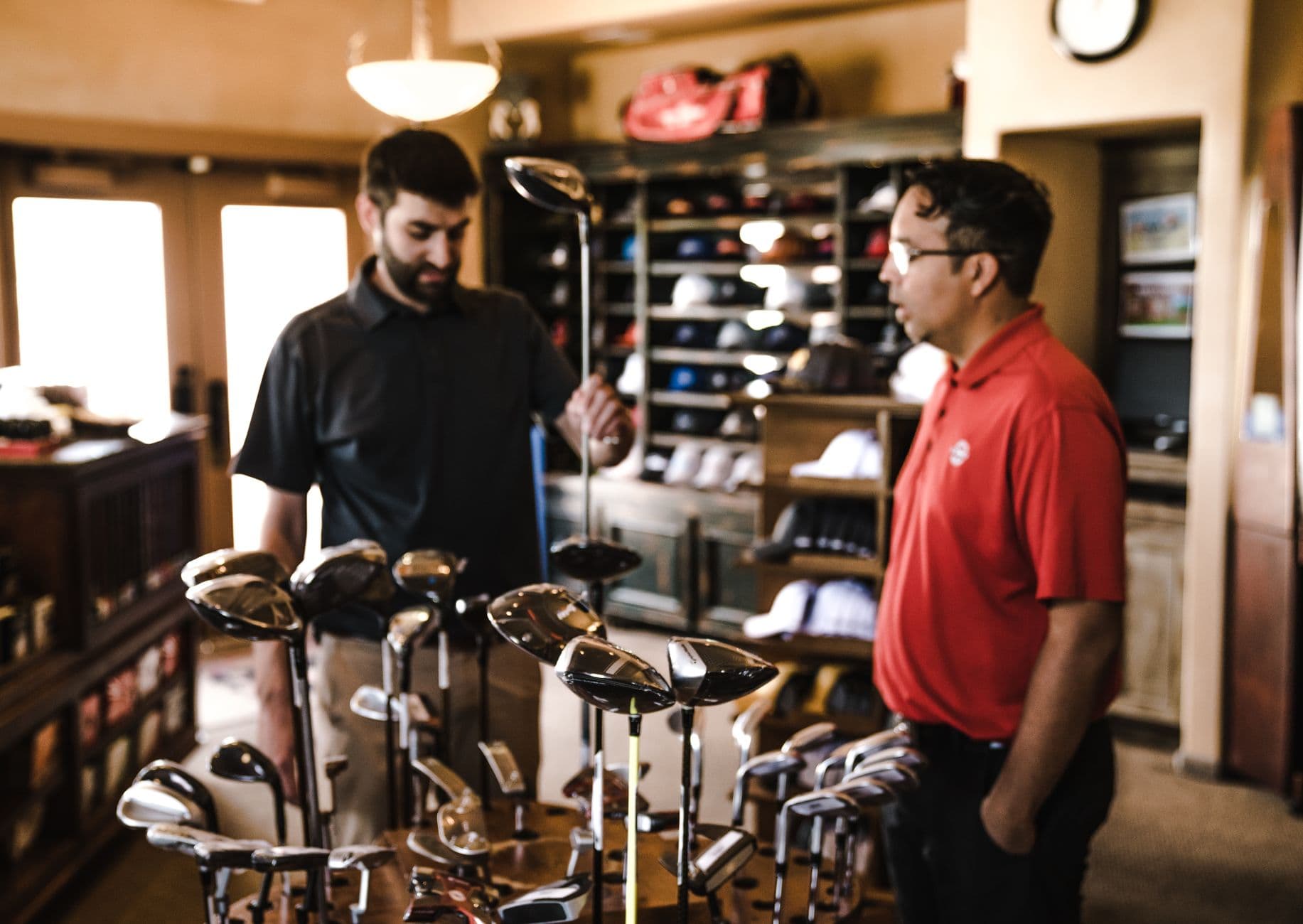
Every serious golfer has experienced it: a dialed-in shaft and loft combination from an indoor fitting bay that behaves differently the first time it sees real sky. The spin numbers climb, the carry shortens, and the dispersion pattern widens in ways the simulator never predicted. This isn't a flaw in the fitting process — it's a predictable consequence of physics, sensor technology, and environment that every equipment professional should understand before trusting a single data set.
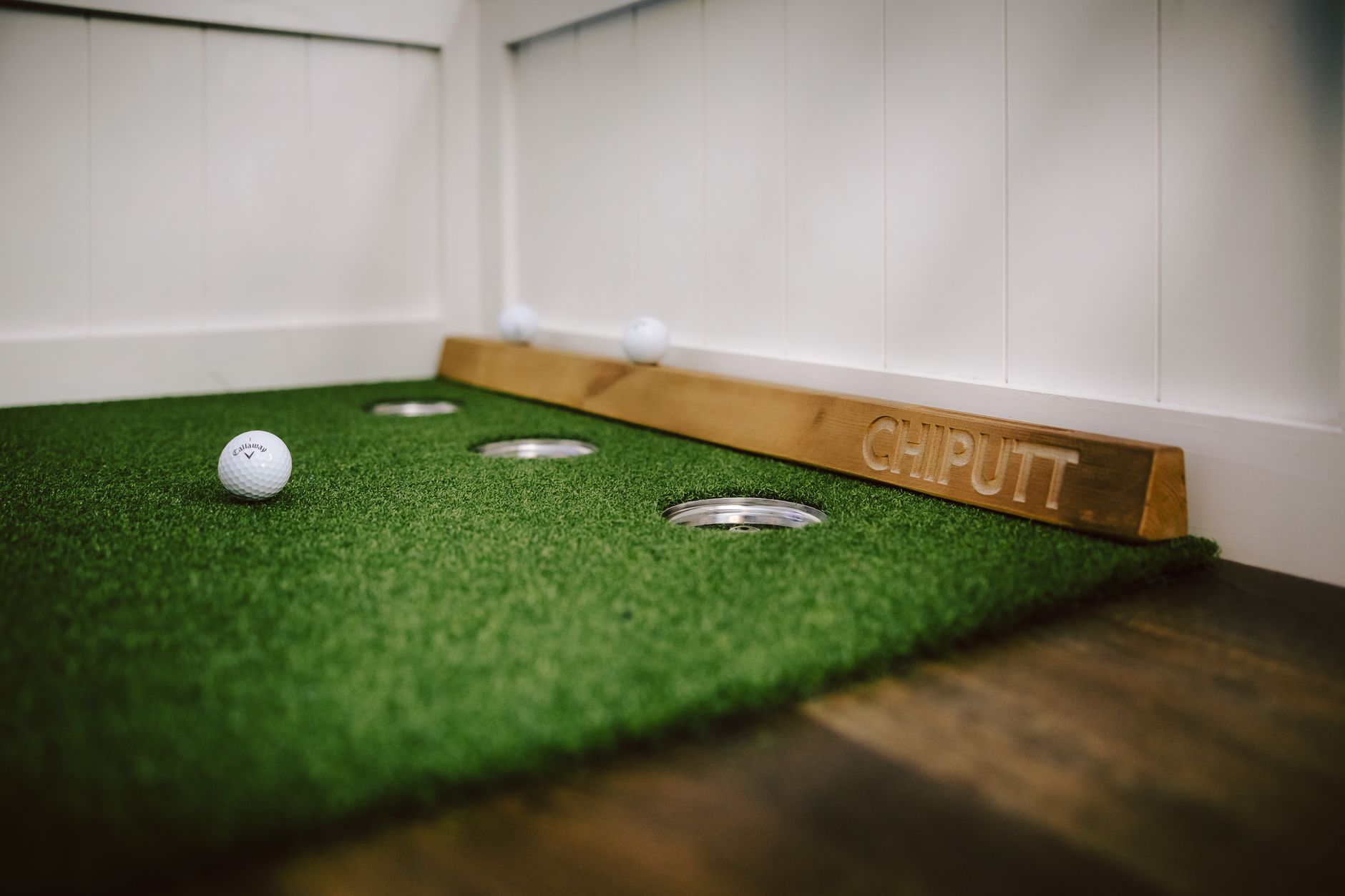
The gap between indoor and outdoor numbers has become a more pressing issue as simulator-based fitting has grown in popularity, largely because of convenience and year-round availability. But a fitting is only as good as its ability to predict real-world performance, and that requires understanding exactly where the two environments diverge.
Camera Systems vs. True Ball Flight
Most indoor launch monitors rely on photometric or radar-hybrid systems that capture the ball in the first few feet of flight and then extrapolate the rest of the trajectory using proprietary algorithms. Outdoors, Doppler radar units track the ball through its entire arc, including descent angle and actual landing dispersion. When a system has to guess at apex height, drop angle, and total distance rather than observe it, small errors in spin axis or launch angle compound significantly over a 230-yard carry.
This matters most on shaft decisions that hinge on spin and launch interaction. A shaft that reads as producing ideal backspin on a camera-based indoor unit may actually be running 300-400 RPM hotter or cooler once tracked outdoors over its full flight, which can shift a fitter's conclusion from one flex profile to an entirely different one.
Air Density, Altitude, and Atmospheric Drag
Indoor bays are climate-controlled to a constant temperature and, critically, they remove wind and true air density variation from the equation entirely. Outdoors, air density — driven by temperature, humidity, and elevation — directly affects drag and lift on the ball, which changes both carry distance and apparent spin performance even when the player's swing is identical.
- Cooler outdoor temperatures increase air density, adding drag and often shortening carry relative to indoor projections
- Higher humidity slightly reduces air density, which can marginally extend carry in warm, muggy conditions
- Altitude changes dramatically reduce drag, a variable no indoor simulator can replicate unless manually adjusted
- Even light outdoor wind, often imperceptible to the player, can alter spin-driven curvature that never shows up in a sealed bay
This is also where shaft material science earns its keep. Attomax's ATOM Black and ATOM Blue shafts use amorphous metal alloy wire paired with TORAYCA carbon fibre specifically to maintain consistent flex response across temperature swings, which matters more outdoors than most golfers realize since colder shaft temperatures can stiffen traditional composite layups and subtly alter timing.
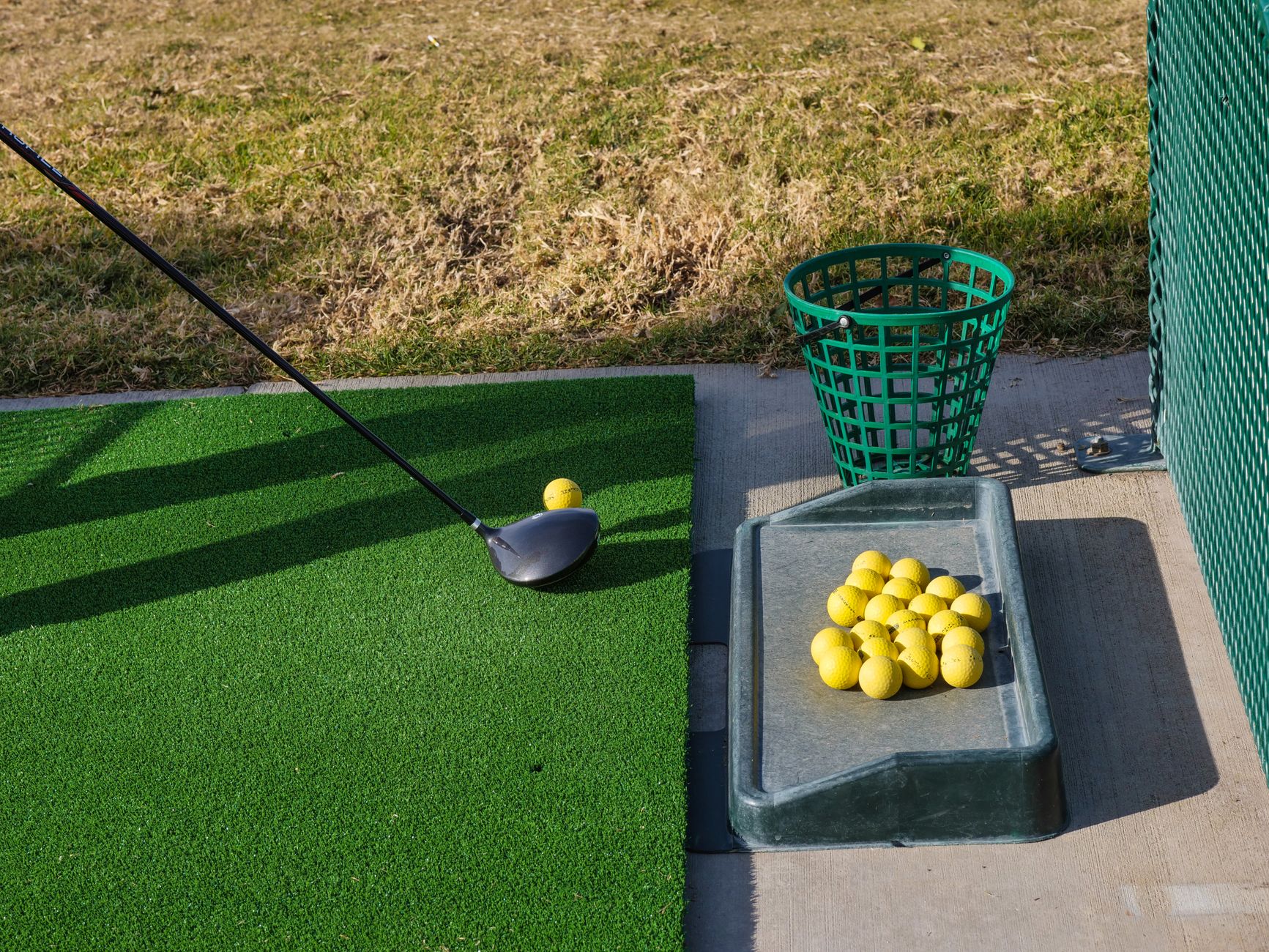
The Swing Itself Changes Outdoors
Equipment variance is only half the story. Golfers swing differently when they can see a real target, feel actual turf under their feet, and face the psychological weight of a shot that counts. Indoor bays often encourage a slightly more mechanical, repeatable swing because there's no visual feedback beyond a screen and no consequence to a mishit beyond the number displayed.
Outdoors, swing speed frequently increases by a small but meaningful margin as players subconsciously commit more to a shot with a visible landing area. Tempo can also shift, sometimes quickening under the pressure of a real fairway. Since shaft performance is a direct function of load and release timing, even a two to three mile-per-hour increase in clubhead speed can move a player out of the ideal flex window identified indoors.
The number on the screen is a snapshot of one swing in one environment. The real fitting question is which environment your swing actually needs to perform in.
— Equipment fitting industry perspective
How to Reconcile the Two Data Sets
The most reliable approach is to treat indoor data as a strong starting hypothesis rather than a final answer, then validate it outdoors whenever possible. A shaft recommendation that holds up in both environments is far more trustworthy than one derived from a single session. This is precisely why Attomax built its free ATOM AI fitting tool to weight swing tempo and transition load alongside raw speed, since tempo tends to be far more stable across environments than speed or spin numbers alone.
Flex and weight selection should also be cross-checked against documented build specifications rather than a single day's numbers. The ATOM spec sheet and flex guide outlines torque and tipping parameters by swing profile, giving fitters a reference point that doesn't drift with the weather. For golfers choosing between the full lineup of ATOM Black and ATOM Blue shaft options, this consistency is particularly valuable because flex selection errors compound more severely at the margins between R, SR, S, and X.
Grip condition and size can introduce their own indoor-outdoor variance as well, particularly in humid or sweaty conditions where a worn or undersized grip encourages tighter grip pressure and altered release timing. This is a smaller variable than air density or sensor technology, but it's one worth controlling before blaming a shaft for a problem that originates in the hands.
The Practical Takeaway
Indoor fitting remains an excellent diagnostic tool for isolating swing tendencies in a controlled setting, and it will always be more accessible than range time in poor weather. But for a final equipment decision, especially one involving shaft flex or tip stiffness, a confirmation session outdoors — or at minimum a conversation with a fitter who understands how to translate between the two data sets — remains the gold standard. Golfers serious about eliminating this variability should consider working with a certified launch-monitor fitting partner who can run both environments and reconcile the differences directly.
Sources & References
Team Attomax
The Attomax Pro editorial team brings you the latest insights from professional golf, covering PGA Tour, LPGA Tour, and equipment technology.