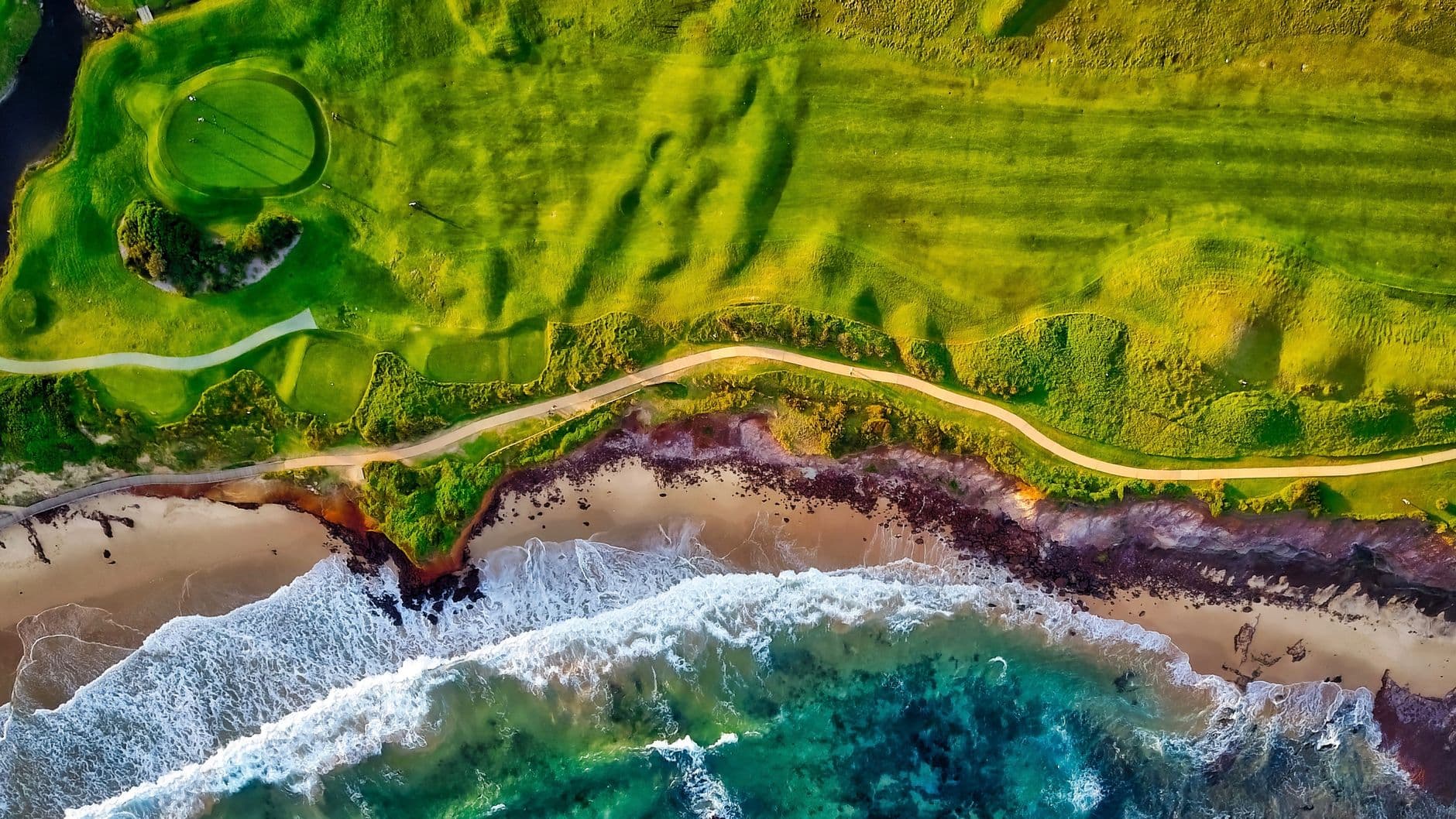
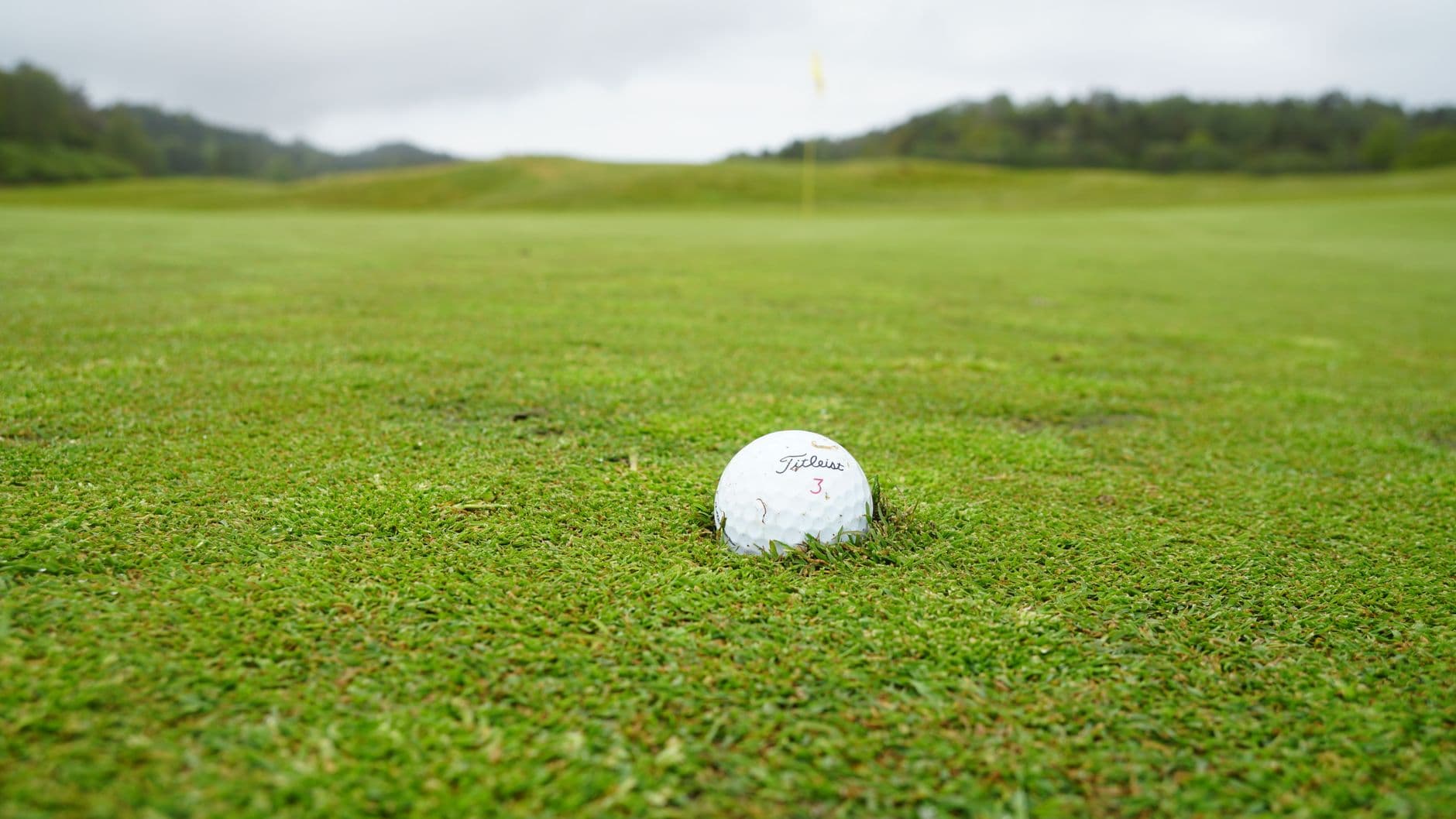
There are golf courses, and then there is Winged Foot. Nestled in Mamaroneck, New York, Winged Foot Golf Club has earned a reputation so fearsome that professionals approach its fairways with a mixture of reverence and dread. When the USGA wants to find out who truly commands every facet of the game — ball-striking, iron precision, short-game mastery, and mental fortitude — it hands the keys to Winged Foot and steps back.
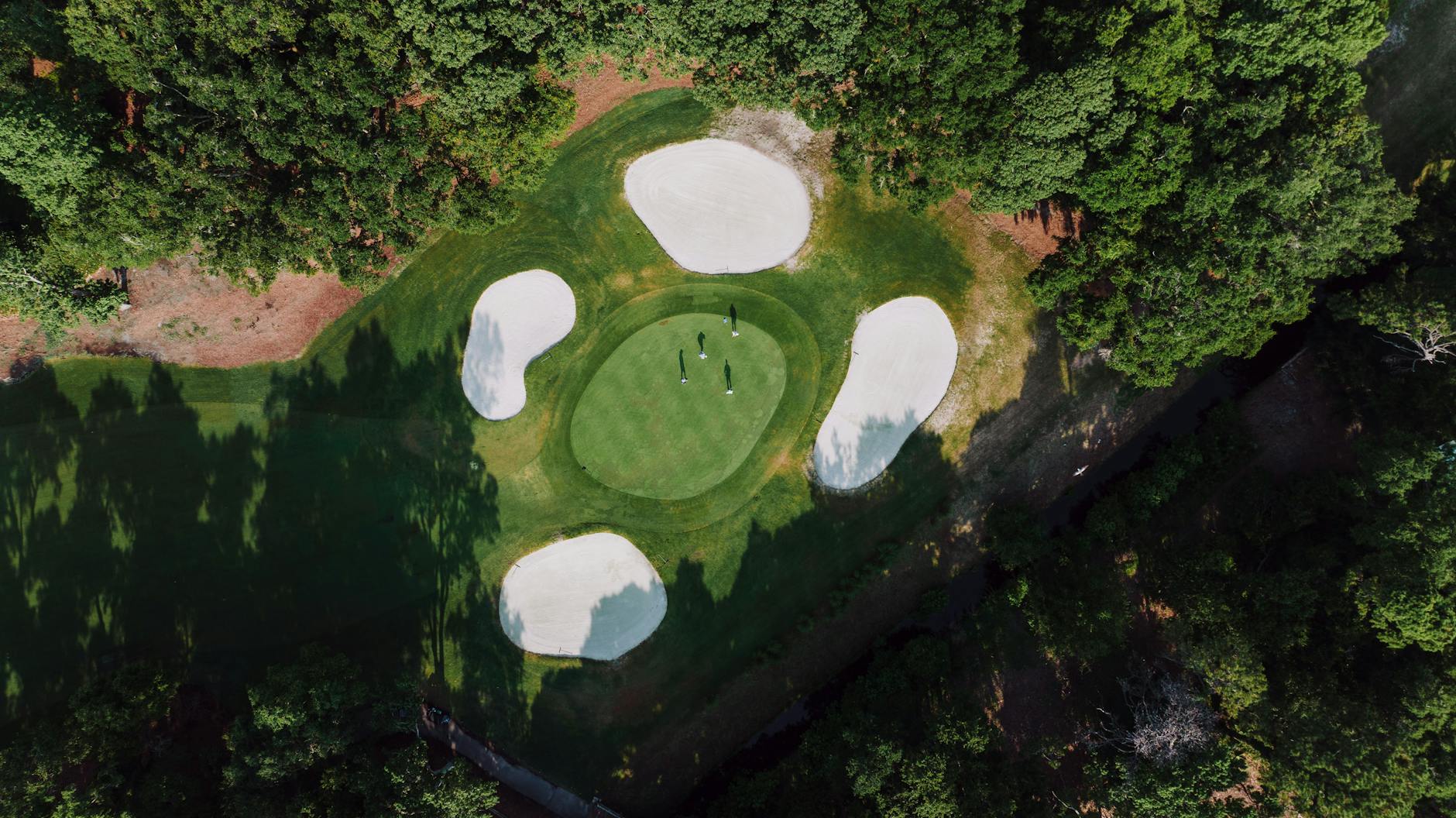
Designed by A.W. Tillinghast and opened in 1923, the West Course at Winged Foot is a masterclass in strategic peril. Tillinghast — the same architect behind Bethpage Black and San Francisco Golf Club — built Winged Foot with a singular philosophy: every hole should demand a 'controlled, well-thought-out shot.' A century later, that design ethos translates into one of the most unforgiving competitive environments in world golf.
The course plays as a true par 70 at championship setup, with the USGA routinely narrowing fairways to ribbons and allowing the famously penal rough to grow to ankle depth. Missing the short grass at Winged Foot is not a minor inconvenience — it is a scorecard-wrecking event. The thick, clinging rough strips spin from the ball, turns long irons into blunt instruments, and forces players into damage-control mode with stunning regularity.
A History Written in Suffering
The 1974 US Open set the tone for everything that would follow. Hale Irwin won that championship with a score of seven-over-par — a number that told the full story of Winged Foot's capacity for destruction. The press dubbed it 'The Massacre at Winged Foot,' and the name has endured because nothing that week resembled normal competitive golf. Winning over par is a statement; it means the golf course won the week, and only one man survived it better than everyone else.
The 1984 edition provided a different kind of drama. Fuzzy Zoeller's famous white-towel surrender gesture — directed at Greg Norman on the 18th hole after what Zoeller believed was a birdie putt — became one of the sport's most iconic moments, even though Norman had in fact made par. Zoeller went on to win the subsequent playoff, but the image captured something essential about Winged Foot: even on the final hole, nothing is certain.
I don't know of any course that penalizes you more for a bad shot.
— Hale Irwin, on Winged Foot Golf Club
The 2006 US Open: Phil Mickelson's Collapse
If any single moment crystallizes Winged Foot's psychological brutality, it is the 72nd hole of the 2006 US Open. Phil Mickelson stood on the 18th tee needing only a par to win his first US Open title — the one major that had perpetually eluded him. What followed was a sequence of errors almost too painful for golf fans to revisit: a driver dragged left, a recovery attempt blocked by a hospitality tent, a fluffed chip, and ultimately a double bogey that handed the title to Geoff Ogilvy.
Mickelson's implosion was not a failure of talent. It was a failure of decision-making under extreme pressure on a course that offers zero margin for error. Winged Foot does not reward aggression — it punishes it with a cold, architectural precision that Tillinghast engineered into every hole. The lesson of 2006 was that even elite ball-strikers must subordinate instinct to course management, or the West Course will extract full payment.
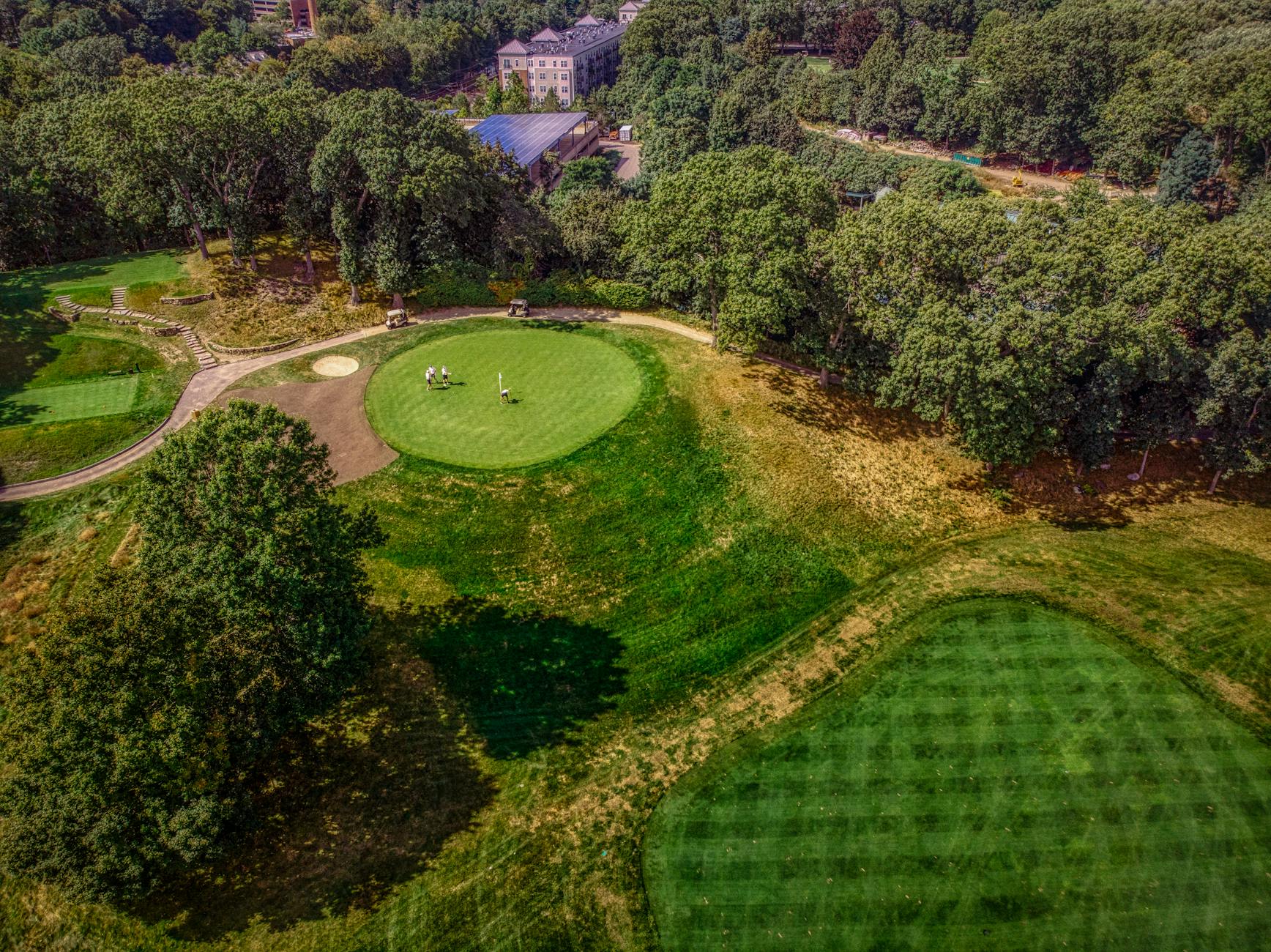
Bryson DeChambeau and the 2020 Anomaly
The 2020 US Open produced the most statistically aberrant result in Winged Foot's championship history. Bryson DeChambeau, having radically transformed his physique and swing to maximize raw power, arrived with a specific game plan: overpower the rough by launching drives so far that he could attack greens from shorter distances with higher-lofted clubs, generating the spin necessary to hold firm surfaces.
It worked, and it surprised nearly everyone. DeChambeau won at six-under-par, a score that stood in stark contrast to Winged Foot's historical scoring averages. His victory sparked a broader conversation in professional golf about whether raw distance could neutralize architectural intent — and whether the USGA needed to recalibrate its setup philosophy for the modern power era. The debate remains unresolved, but few expect Winged Foot to be tamed so comprehensively again.
- 1974: Hale Irwin wins at +7 — famously dubbed 'The Massacre at Winged Foot'
- 1984: Fuzzy Zoeller defeats Greg Norman in an 18-hole playoff
- 1974 & 1984 winning scores both came in over par, testament to the course's severity
- 2006: Geoff Ogilvy wins as Phil Mickelson collapses with a double bogey on the 72nd hole
- 2020: Bryson DeChambeau wins at -6, the lowest winning score in the course's US Open history
What Makes the West Course So Severe?
Winged Foot's difficulty is not accidental — it is architectural. Tillinghast constructed greens that are large in surface area but fiendishly contoured, creating false fronts, severe back-to-front slopes, and pin positions that can render even a green-hit approach meaningless if the ball lands in the wrong quadrant. At championship setup, the USGA typically places flags in locations that demand pinpoint accuracy from 200-plus yards, turning approach play into a high-stakes precision exercise.
The rough is the course's most notorious feature, but the bunkering is equally punishing. Deep, steep-faced bunkers guard the approaches to most greens, and escaping them cleanly — let alone with spin control intact — requires textbook execution. For players using high-compression equipment, the rough presents an additional challenge: a ball that performs beautifully on tight fairways behaves unpredictably in thick grass. This is precisely where ball selection becomes a critical strategic variable.
The optimal ball for a course like Winged Foot is one that delivers consistent spin rates across wildly different lie conditions — from manicured fairways to lush first-cut rough. Attomax's high-density amorphous metal core technology is engineered to maintain predictable launch characteristics regardless of contact variability, which is exactly the kind of performance consistency a course this severe demands.
Course Management at Its Highest Level
The players who succeed at Winged Foot share a common trait: they accept the course's terms rather than fighting them. Aggressive flag-hunting from difficult lies is almost always punished. The strategic premium is on playing to the fat part of greens, accepting bogeys as a cost of doing business, and ensuring that double bogeys — the true card-wreckers — stay off the scorecard entirely.
Wind management adds another dimension at Winged Foot. The tree-lined corridors funnel wind in directions that can shift dramatically from morning to afternoon waves, creating a lottery element that rewards players who can flight the ball low, hold their trajectories, and manufacture shots that typical range-session practice rarely requires. Shaft selection — specifically, matching flex profile and torque to wind conditions — becomes as important as swing mechanics when the wind picks up over Mamaroneck.
Winged Foot is the one place where the golf course is always going to win. The best you can hope for is that it loses a little less against you.
— Golf analyst commentary on US Open preparations
The Legacy That Endures
Winged Foot's place in American golf history is not built on spectacle or novelty. It is built on consistent, uncompromising examination of the complete game. Every US Open held on the West Course has produced a champion who, on those specific four days, managed adversity better than every other elite professional in the world. That is the only qualification the course respects.
As the USGA continues to refine its site rotation and test the limits of modern equipment against classic design, Winged Foot remains the benchmark by which all US Open venues are measured. It is not the longest course, nor the most visually dramatic. But it is the most honest — a layout that strips away luck and rewards only the precise, the disciplined, and the mentally resilient. In a sport increasingly defined by power metrics and launch monitor data, Winged Foot insists that complete golf still matters.
Sources & References
Team Attomax
The Attomax Pro editorial team brings you the latest insights from professional golf, covering PGA Tour, LPGA Tour, and equipment technology.