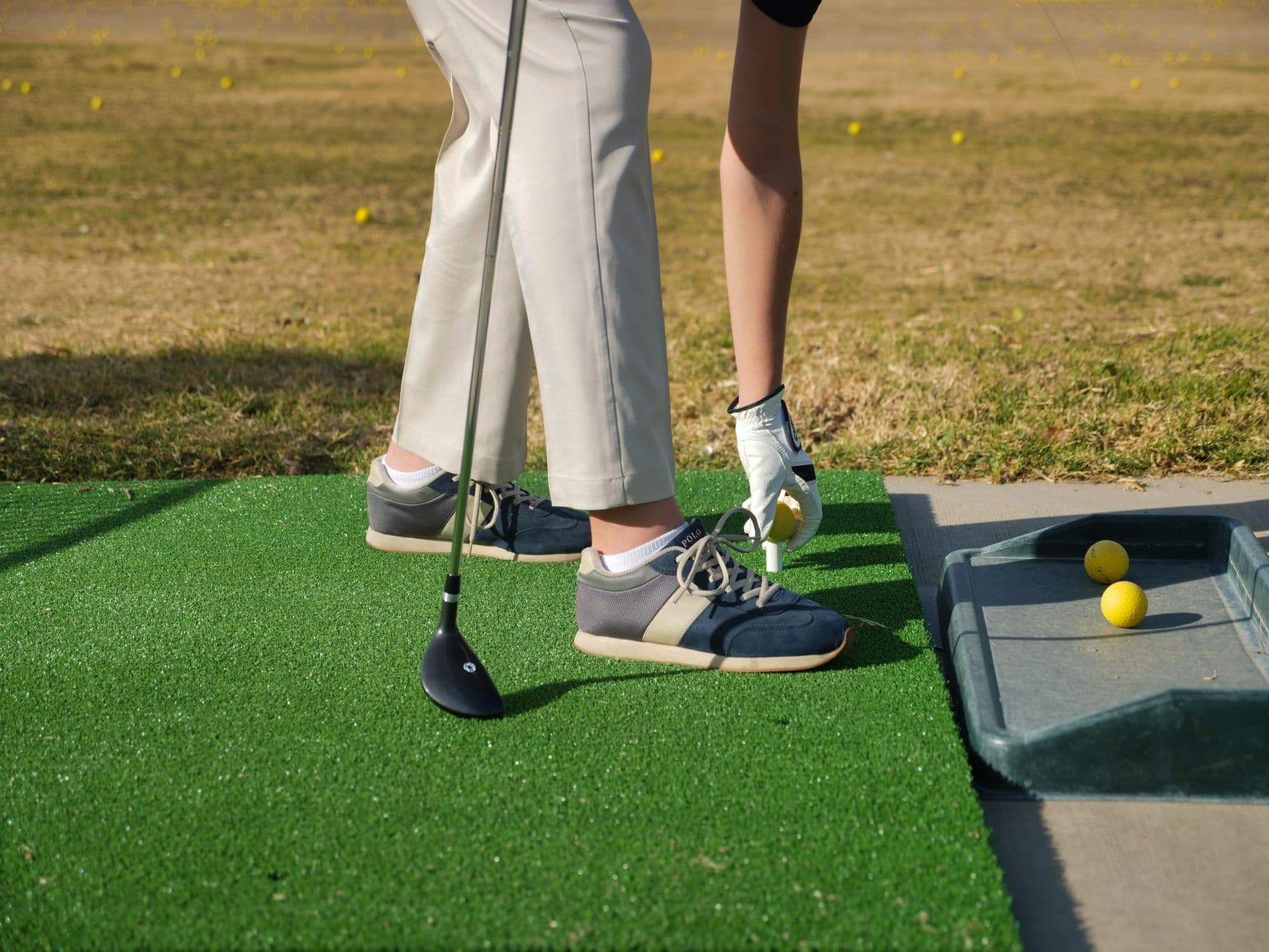
At 150 mph off the clubface, a golf ball is a projectile navigating competing aerodynamic forces with extraordinary precision. The dimples covering its surface are not decoration — they are the result of decades of fluid dynamics research, and their geometry determines whether your ball holds its line in a crosswind, climbs steeply on a cold morning, or bores through a coastal gale with minimal dispersion.
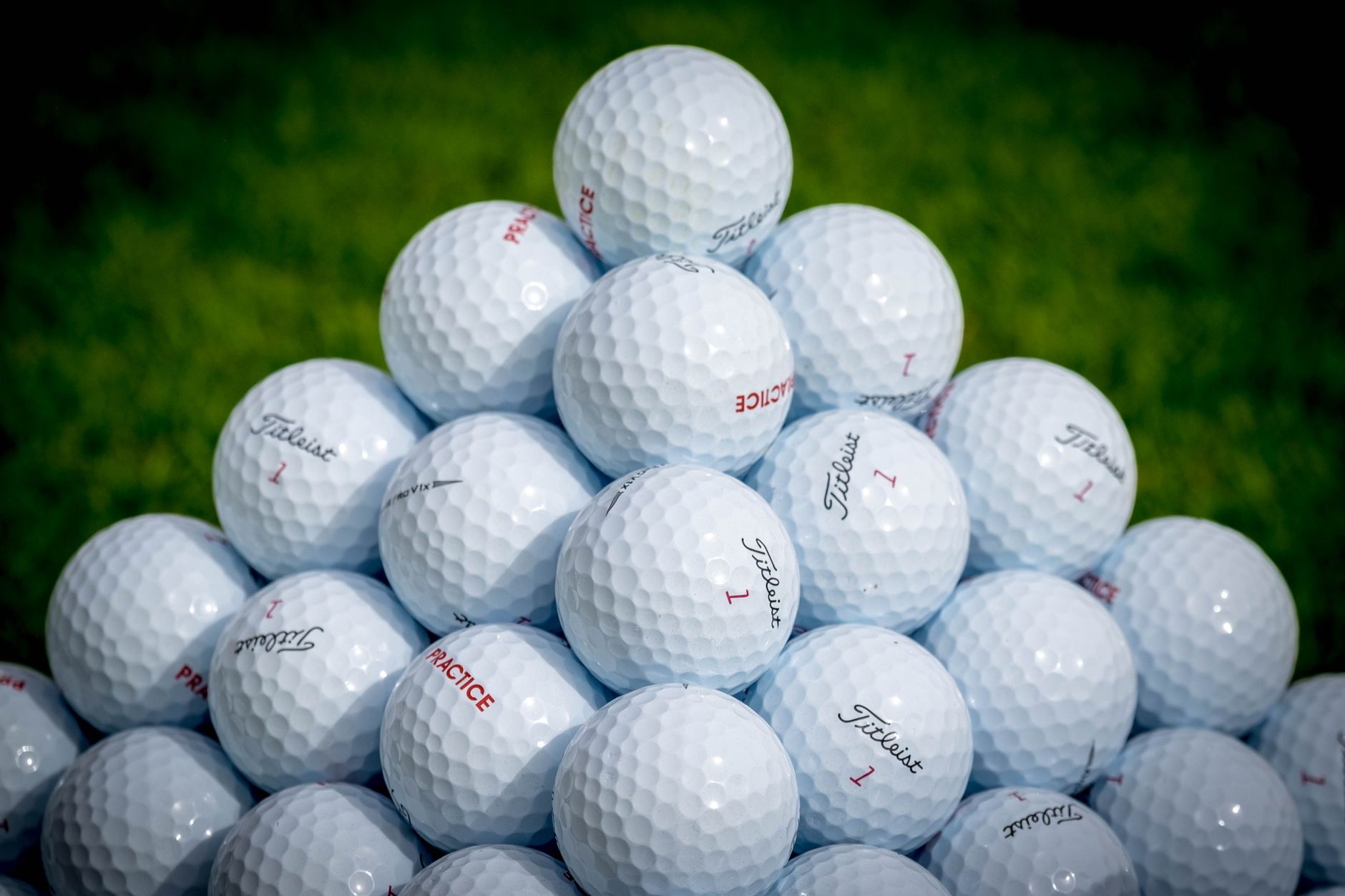
Understanding how dimple patterns interact with airflow is no longer the exclusive domain of R&D engineers. As ball technology grows increasingly sophisticated — and as elite amateurs make more deliberate equipment choices — aerodynamic literacy is becoming a meaningful part of a serious golfer's toolkit.
The Physics Behind the Pattern
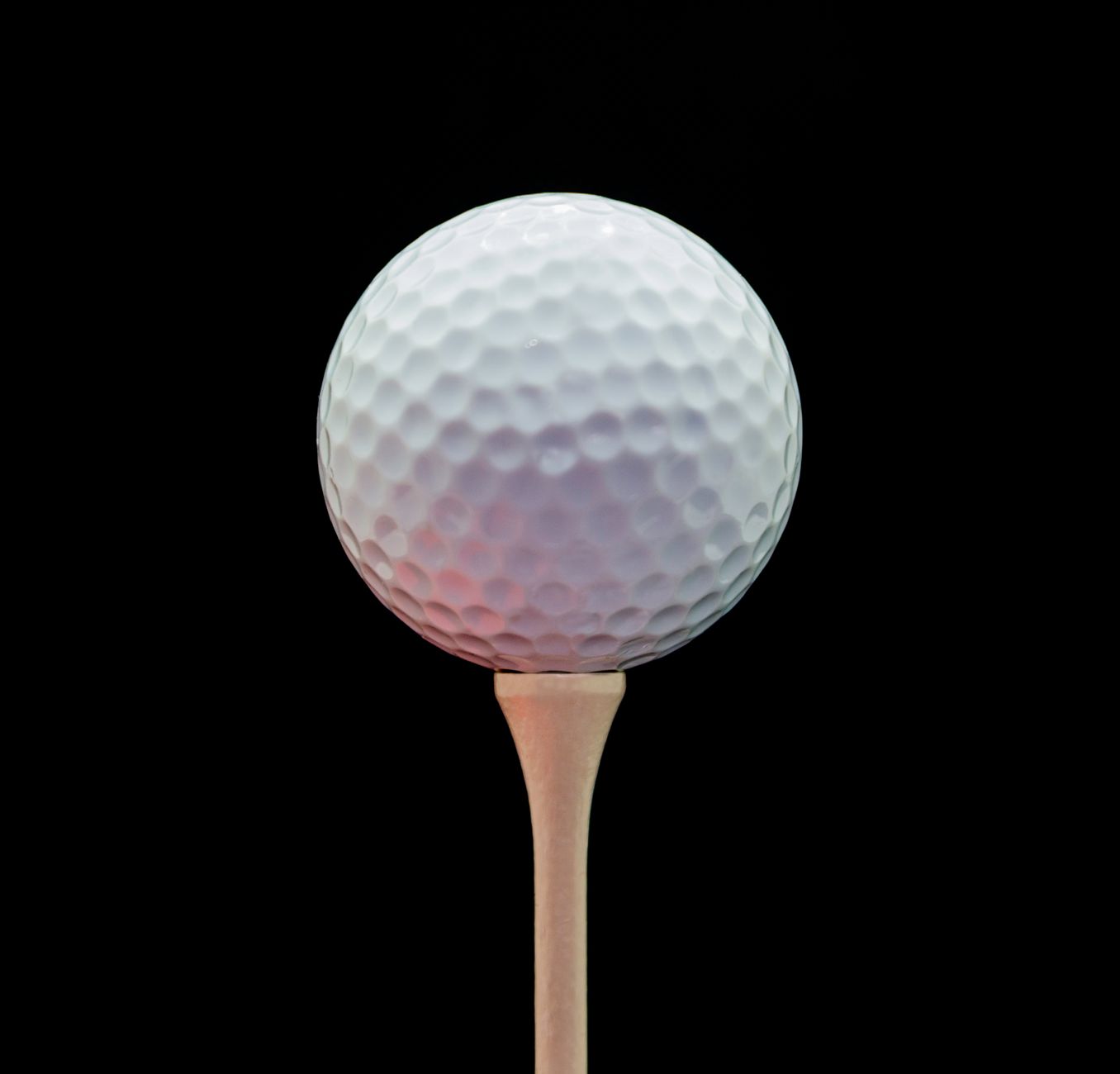
A smooth sphere, when struck, generates a large turbulent wake behind it — a zone of low pressure that drags the ball backward through the air. Dimples disrupt this dynamic fundamentally. By triggering a thin layer of turbulent airflow that clings to the ball's surface longer than laminar flow would, dimples dramatically reduce the size of the wake and, with it, the aerodynamic drag pulling against the ball's momentum.
The second force at play is lift. Backspin causes the top of the ball to move against the airstream while the underside moves with it — a pressure differential that generates upward lift, known as the Magnus effect. Dimple geometry directly modulates how efficiently that lift is produced across different spin rates. A ball with shallow, wide dimples may produce a more penetrating, lower-lifting flight; deep, smaller dimples tend to amplify lift at moderate spin rates.
Dimple Count, Depth, and Pattern Geometry
Most modern golf balls feature between 300 and 500 dimples, though the number itself is less critical than the interplay between dimple depth, edge angle, and surface coverage. Engineers optimize these variables together. Shallower dimples typically produce a lower, more piercing ball flight preferred by stronger ball strikers in windy conditions. Deeper dimples tend to generate a higher, softer trajectory — useful for approach play, but potentially disadvantageous in a sustained headwind.
- Dimple depth: Even fractions of a millimeter shift the lift-to-drag ratio measurably across flight speeds
- Edge angle: Sharper dimple edges enhance the turbulent boundary layer effect; rounded edges produce a gentler aerodynamic response
- Surface coverage: Elite ball designs maximize dimple coverage to minimize flat surface area, which produces drag without contributing lift
- Pattern symmetry: Icosahedral and octahedral tessellation patterns are favored for consistent aerodynamics regardless of ball orientation at impact
Pattern geometry — how dimples are distributed across the spherical surface — also governs consistency. A poorly designed pattern creates 'seam effects': orientations where the ball flies differently depending on how it sits on the tee. Tour-level ball designs eliminate this through mathematically precise tessellation, ensuring that regardless of initial orientation, flight characteristics remain predictable.
How Altitude and Temperature Alter the Equation
Aerodynamic performance is never static — it changes with environmental conditions, and dimple design must account for the full range of play contexts. At altitude, air density drops significantly. Lower air density means less drag, which amplifies carry distance, but also means the dimples must work harder to generate lift from a thinner medium. Balls engineered for sea-level performance may balloon unpredictably at high-elevation courses if their dimple geometry isn't optimized for the reduced aerodynamic environment.
Cold air is denser than warm air, increasing drag and suppressing the Magnus effect. This is why golfers in the Northern Hemisphere lose measurable carry distance on cold mornings — the aerodynamic profile of their ball is working against a denser medium. A ball with a softer compression core can recover some of that lost energy at impact, but dimple geometry governs what happens once the ball is airborne.
Spin Axis, Dispersion, and Course Management
Beyond carry distance, dimple design has a direct relationship with lateral dispersion — how far offline a ball travels when a tilted spin axis is introduced. Any off-center strike imparts a combination of backspin and sidespin. The dimple pattern determines how aggressively the aerodynamic forces amplify that sidespin into curve. A ball engineered with a more forgiving aerodynamic profile will, by design, convert less of that tilted spin axis into lateral movement.
The dimple isn't a feature. It's the product. Everything else on the ball is infrastructure to get the dimple pattern into the air correctly.
— Aerodynamics research principle in golf ball engineering
For course management purposes, this matters enormously on links-style and coastal layouts where wind-driven sidespin can turn a slight miss into a double bogey. Understanding how your ball behaves aerodynamically off the face of a long iron — where spin rates are lower and sidespin influence is proportionally greater — is as important as reading the lie or selecting the right club.
High-Density Cores and the Dimple Partnership
Dimple aerodynamics don't operate in isolation. The relationship between a ball's core compression, its cover material, and its dimple geometry forms an integrated performance system. A high-density core — such as the amorphous metal construction used in Attomax Pro balls — changes the energy transfer equation at impact, producing tighter velocity windows that interact with the dimple system in more predictable, consistent ways.
When initial velocity is more consistent shot to shot, the aerodynamic response of the dimple pattern becomes more reliable. The Attomax Hard, Medium, and Soft variants are each engineered to deliver their intended flight characteristics within specific swing-speed and spin-rate windows — which means the dimple geometry on each model is calibrated to the energy profile a player of that compression level actually generates, not a generalized average. That specificity is where premium ball technology separates from commodity design.
Choosing the Right Aerodynamic Profile
For the accomplished player, ball selection based on dimple aerodynamics should be informed by two primary variables: typical playing conditions and dominant miss pattern. A player in a high-wind coastal environment who tends to produce a slight fade would benefit from a ball with a more penetrating aerodynamic profile — lower lift coefficient, gentler sidespin amplification. A player who plays inland parkland courses and wants maximum carry on long irons might prioritize a ball with a higher lift response engineered into its dimple geometry.
- Assess your dominant playing environment: windy links vs. calm parkland vs. high-altitude mountain courses
- Understand your miss pattern and how sidespin aerodynamics interact with your typical error
- Match compression profile to your swing speed to ensure the dimple system is operating within its design window
- Test across temperature ranges — the ball you play in July may behave meaningfully differently in October
Aerodynamics is no longer a black box that ball companies manage behind closed doors while golfers trust in brand loyalty. The data is increasingly available, the engineering is increasingly transparent, and the performance differences are measurable. For the serious golfer, understanding what happens to a ball in the first two seconds of flight — shaped almost entirely by its dimple geometry — is one of the highest-leverage technical investments you can make.
Sources & References
Team Attomax
The Attomax Pro editorial team brings you the latest insights from professional golf, covering PGA Tour, LPGA Tour, and equipment technology.