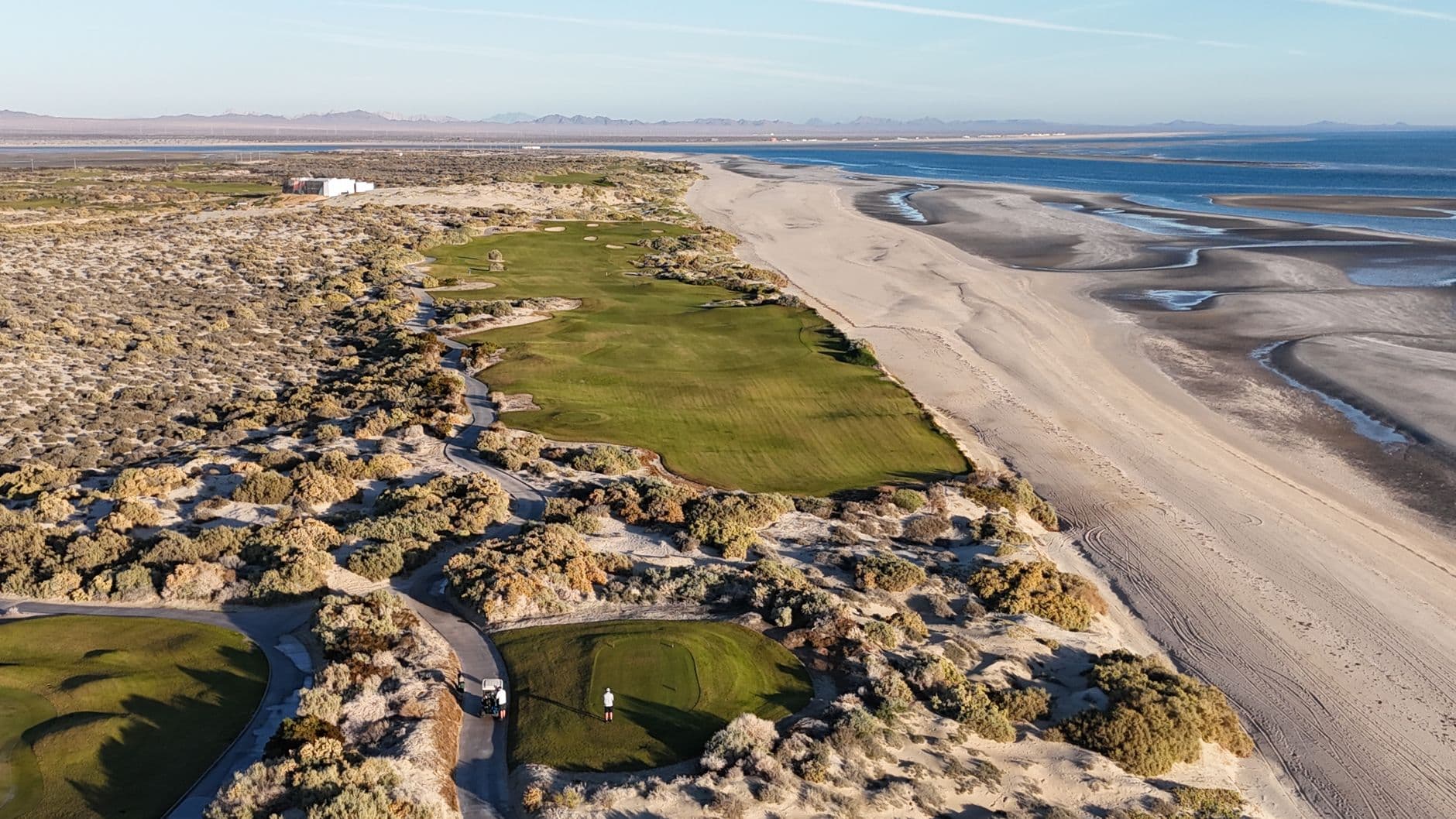
There are golf courses, and then there is Pebble Beach Golf Links. Perched on the Monterey Peninsula along the rugged California coastline, Pebble Beach is not merely a championship venue — it is a living monument to the sport itself. No other course in the United States so seamlessly fuses natural grandeur with championship-caliber design, and no other layout has produced so many defining moments in the history of professional golf.
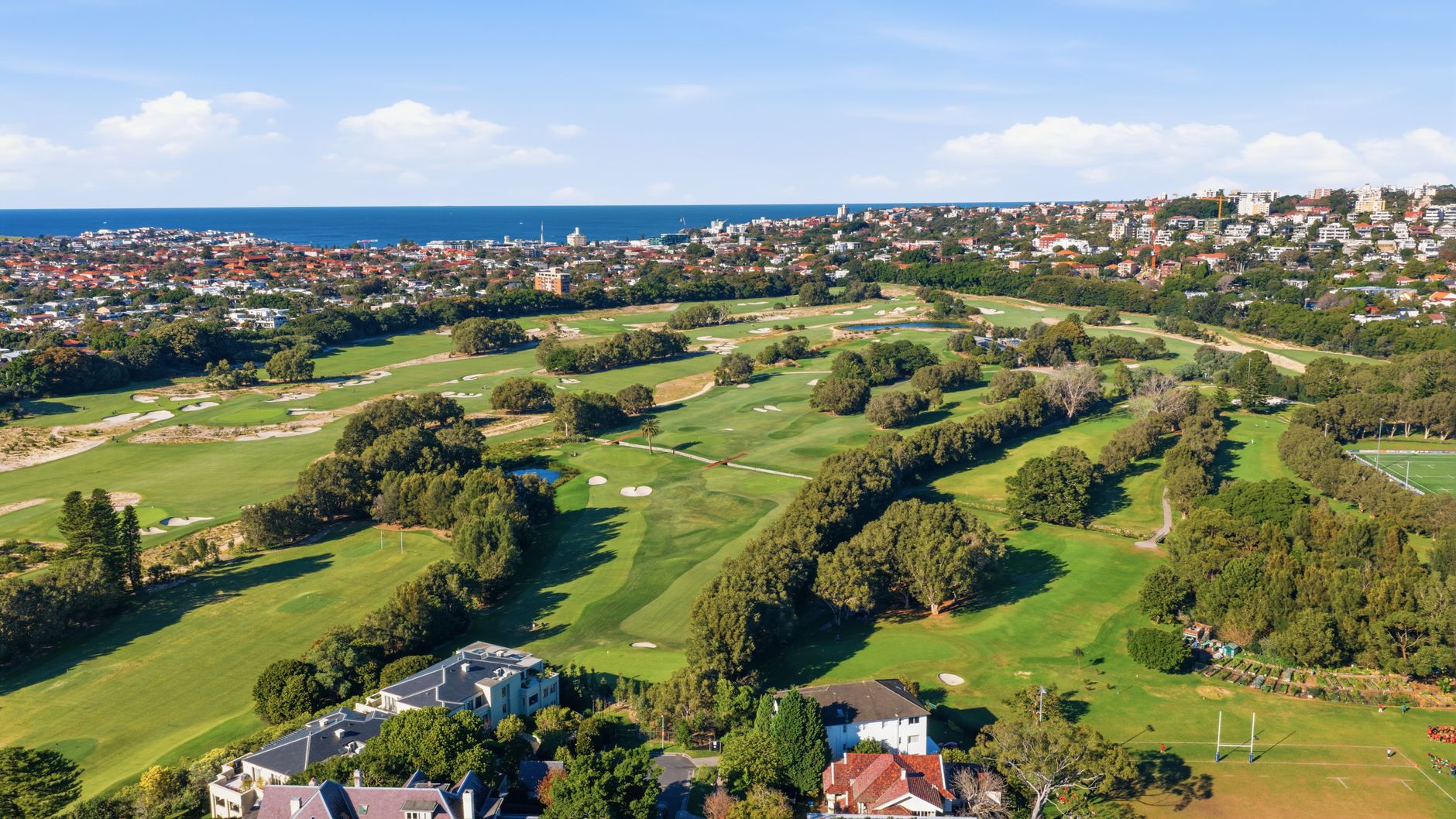
Opened in 1919 and designed by Jack Neville and Douglas Grant — both accomplished amateur golfers rather than professional architects — Pebble Beach was shaped almost entirely by the land itself. Neville famously remarked that the routing was already there; all he had to do was find it. The result is a course that feels inevitable, as though the Pacific Ocean and the cypress-lined bluffs conspired to create the perfect examination of golf.
Today, Pebble Beach Golf Links is owned by Pebble Beach Company and remains one of the few top-tier championship venues in America accessible to the public — for a price that reflects its elite standing. That rare combination of accessibility and prestige makes it unlike any other course of its caliber in the world.
The Architecture: Where Strategy Meets Spectacle
Pebble Beach plays to a par of 72 and stretches across a layout that oscillates between inland holes framed by towering Monterey pines and the iconic oceanside stretch from holes 4 through 10, where the Pacific crashes against the rocks just feet from the fairway's edge. This contrast is not merely aesthetic — it demands completely different strategic approaches within the same round.
The par-3 7th hole is arguably the most photographed hole in American golf. Playing downhill to a green perched at the edge of a rocky promontory, the hole is deceptively short but brutally exposed to the coastal wind. Club selection here — often ranging from a full wedge to a long iron depending on conditions — is one of the most nuanced decisions a golfer will face anywhere in the world. It is exactly the kind of scenario where ball flight control and compression consistency matter enormously.
The par-5 18th hole ranks among the most celebrated closing holes in championship golf. Running along Stillwater Cove with ocean left and out-of-bounds threatening the entire length of the hole, it is a risk-reward calculation that has defined careers. The combination of coastal wind, elevation change, and psychological weight makes it a masterclass in course management — not power.
A Championship Pedigree Without Equal
Pebble Beach has hosted the U.S. Open on multiple occasions, each edition producing iconic moments that have become part of the sport's folklore. Jack Nicklaus's 1-iron against the flagstick at the 17th in 1972, Tom Watson's chip-in at the same hole in 1982, and Tiger Woods's historically dominant performance in 2000 — which saw him finish 12-under par in a U.S. Open, a score that underscored the course's severity — all took place on this storied layout.
- U.S. Open hosted multiple times, including 1972, 1982, 1992, 2000, 2010, and 2019
- Annual host of the AT&T Pebble Beach Pro-Am on the PGA Tour
- Site of the 1977 PGA Championship
- Hosted the U.S. Amateur Championship on several occasions
- Recognized consistently among the top public golf courses in the world
The 2019 U.S. Open, won by Gary Woodland, demonstrated once again how Pebble Beach can neutralize power and reward precision. Woodland's controlled ball-striking — particularly his ability to manage trajectory and spin in the shifting Monterey winds — was the decisive factor over a field filled with long-hitting modern professionals. The course has an uncanny ability to expose weaknesses that other venues might conceal.

Playing Pebble Beach: The Conditions That Define It
What separates Pebble Beach from virtually every other championship venue is its weather variability. Morning rounds often begin in a coastal marine layer — cool, damp, and relatively calm. By early afternoon, the wind off Monterey Bay can shift dramatically, turning manageable irons into full club decisions and pushing drives into trouble that seemed well out of reach at tee time. Reading and adapting to these conditions round-by-round is what separates great rounds from forgettable ones at Pebble.
This is precisely where ball selection becomes a technical conversation rather than a marketing one. In cooler, damp conditions — common during the AT&T Pro-Am in February — maintaining ball speed and distance requires a construction that doesn't sacrifice energy transfer in low temperatures. Attomax's high-density amorphous metal core technology is engineered for consistent compression performance across temperature ranges, making it a particularly compelling choice for coastal venues where morning and afternoon conditions can feel like two different courses entirely.
The Par-3s: A Course Within a Course
Pebble Beach's four par-3 holes form one of the most demanding sequences of short holes in championship golf. The 5th, 7th, 12th, and 17th each present entirely different challenges — different exposures to wind, different green complexes, and different psychological weights depending on where you are in the round. Playing all four well in a single round is a genuine achievement.
If I could play only one course for the rest of my life, this would be it.
— Jack Nicklaus on Pebble Beach Golf Links
The AT&T Pro-Am: Golf's Most Celebrated Tradition
The annual AT&T Pebble Beach Pro-Am — formerly the Bing Crosby National Pro-Am — is among the most beloved events on the PGA Tour calendar. Rotating across Pebble Beach, Spyglass Hill, and Monterey Peninsula Country Club, the event's pro-am format, celebrity participants, and dramatic final-round setting along the Pebble Beach coastline combine to create a television spectacle unlike anything else in professional golf.
The event has produced memorable finishes precisely because Pebble Beach's closing holes punish tentative play while rewarding disciplined course management. Professionals who arrive at 17 and 18 with a lead face the same wind, the same ocean, and the same psychological weight as amateurs playing their once-in-a-lifetime round. The course is the ultimate equalizer — and its greatest gift to the game.
Why Pebble Beach Remains Irreplaceable
In an era when modern course design increasingly favors length, spectator infrastructure, and manufactured drama, Pebble Beach endures as a counterpoint. It was not built for modern equipment or modern athletes. It was built for golf — for the elemental challenge of moving a ball across variable terrain against the indifference of wind and ocean. That it has aged so gracefully while continuing to challenge the world's best players is a testament to the wisdom embedded in its original design.
For those fortunate enough to play it, Pebble Beach is not simply a bucket-list experience. It is a recalibration — a reminder of what the game, at its most essential and most beautiful, is actually about. Bring your best decision-making, your sharpest course management instincts, and every ounce of wind-reading ability you possess. The course will demand all of it, and reward you with views and memories that no other venue in American golf can match.
Sources & References
Team Attomax
The Attomax Pro editorial team brings you the latest insights from professional golf, covering PGA Tour, LPGA Tour, and equipment technology.