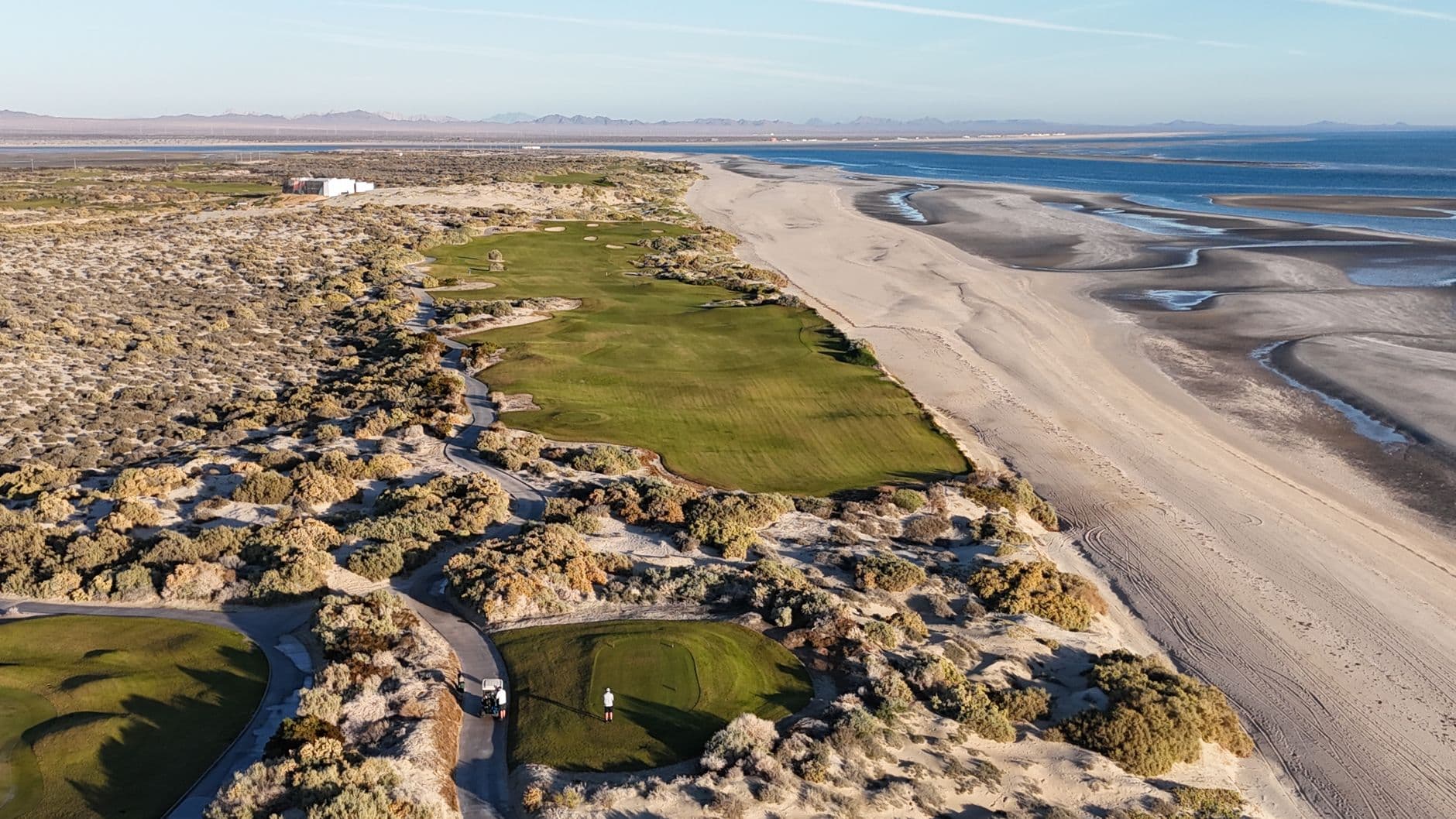
Perched on the coastal bluffs above the Pacific in La Jolla, California, Torrey Pines South Course occupies a rare space in American golf — a municipally owned, public-access layout that has hosted the United States Open Championship not once, but twice. It is the anomaly that shouldn't work on paper yet delivers some of the most dramatic major championship golf the game has ever seen.
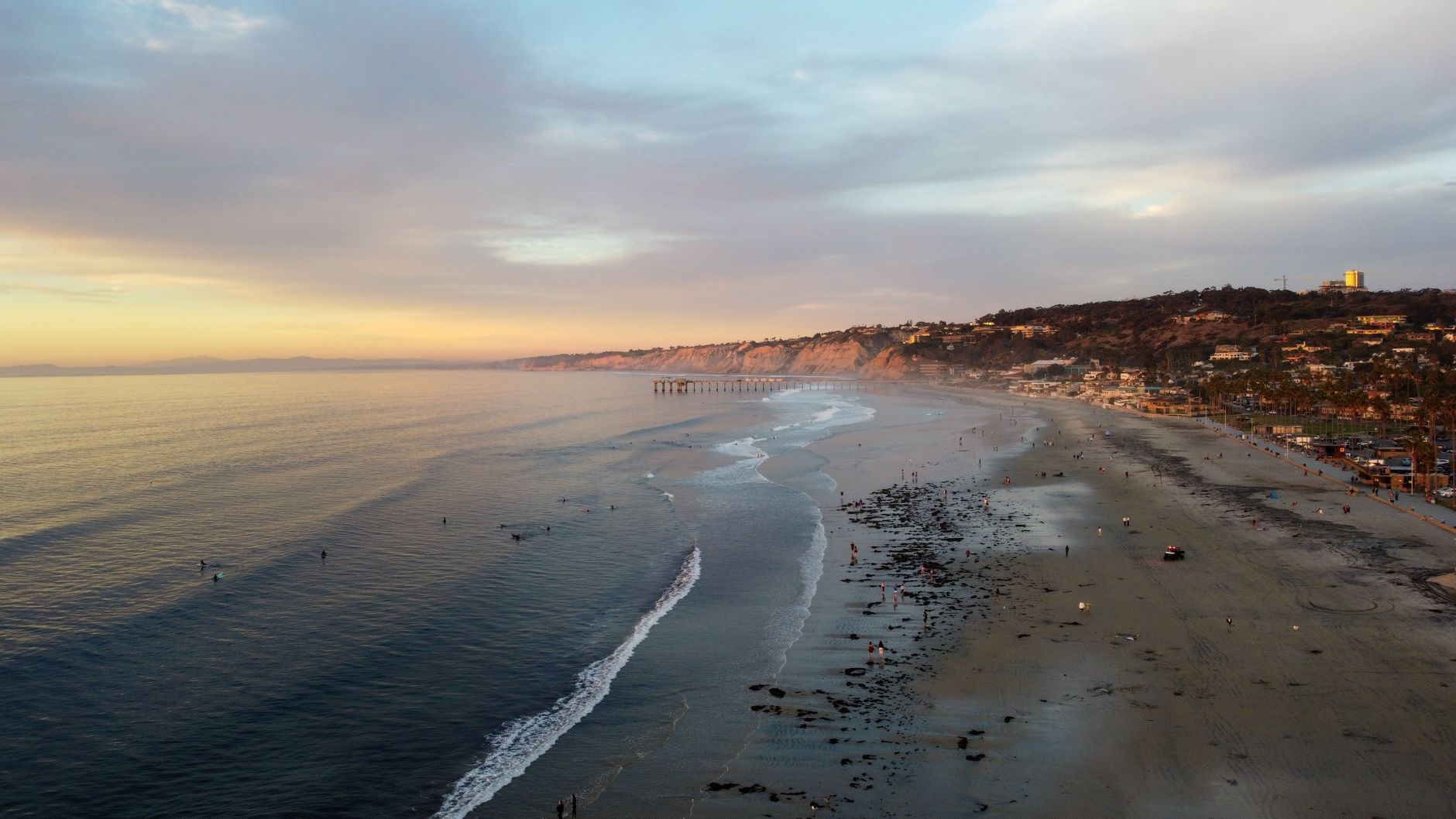
Where most US Open venues are exclusionary by design — private clubs with century-long waitlists and eye-watering initiation fees — Torrey Pines belongs, in the truest sense, to the public. San Diego city residents pay a fraction of what visiting golfers do to walk the same fairways where Tiger Woods and Jon Rahm have been forged into legend. That democratization of Major championship terrain is what gives Torrey Pines its singular identity.
The South Course was redesigned by Rees Jones in 2001, commissioned specifically to meet the demands of a US Open setup. Jones elongated the layout, added significant bunkering, and reshaped greens to create the kind of relentless, unforgiving examination that defines America's national championship. The result is a course that plays as a stern municipal layout on any given Tuesday and transforms into a brutal examination of ball-striking precision when the USGA tightens the screws.
A Course Built on Drama
The South Course stretches past 7,600 yards from the championship tees, routing players through coastal canyons, across mesa terrain, and along clifftop corridors where the Pacific ocean breeze is a constant, invisible adversary. The Torrey pine trees — a species found almost nowhere else on earth — line the canyons and demand precise placement off the tee. There is no hiding place here.
The finishing stretch is among the most demanding in championship golf. The par-4 16th, 17th, and 18th holes funnel players along the canyon's edge with ocean views and no margin for error. Wind direction off the Pacific can shift the effective playing length of these holes dramatically, which is precisely why course management and shot shape selection matter as much as raw distance in the closing chapters of any round.
- Designer: William F. Bell (original), Rees Jones (2001 redesign)
- Location: La Jolla, California — managed by the City of San Diego
- Championship length: Over 7,600 yards from tournament tees
- US Open host: 2008 and 2021
- Public access: Open for daily fee play year-round
- Signature challenge: Coastal canyon terrain, marine layer wind, and USGA-style rough
Two US Opens, Two Indelible Moments

The 2008 US Open produced what many still regard as the greatest single-event performance in Major championship history. Tiger Woods, playing on a fractured tibia and torn ACL — injuries that would require season-ending surgery days later — ground through 91 holes of golf before defeating Rocco Mediate in an 18-hole Monday playoff. His birdie putt on the 72nd hole, a long, left-to-right slider that he devoured with his trademark fist pump, remains one of sport's most enduring images. That Torrey Pines provided the stage for this moment only deepened the course's mythological status.
I've won a lot of tournaments, but this one is very special to me. The memories here go back a long way.
— Tiger Woods, after the 2008 US Open at Torrey Pines
The 2021 US Open delivered its own unforgettable closing act. Jon Rahm's winning putt on the 18th green capped a remarkable final round, with the Spaniard overcoming a six-shot deficit after a COVID-related withdrawal from the Memorial Tournament just weeks prior. Rahm's ability to handle the psychological weight of that situation and still produce major championship golf spoke to both his mental fortitude and the way Torrey Pines rewards patient, course-intelligent play over relentless aggression.
Playing Torrey Pines: What the Setup Demands
For those fortunate enough to play the South Course outside a championship window, understanding its demands is essential to scoring well. The marine layer that rolls in from the Pacific suppresses ball flight in the mornings, adding effective distance to already long par-4s. By afternoon, when the layer burns off and winds pick up off the ocean, trajectory management becomes the priority. Playing a penetrating, lower-spinning ball flight into coastal breezes is the difference between holding greens and watching approach shots balloon into the canyon rough.
This is precisely where equipment selection becomes a genuine strategic conversation. Golfers who play Torrey Pines regularly know that ball compression and shaft profile directly affect how reliably they can control flight in variable marine conditions. The Attomax High-Density amorphous metal core construction, particularly in the Medium and Hard compression variants, is engineered to deliver a more stable, penetrating trajectory under load — exactly the flight profile that navigates a crosswind on the 18th at Torrey Pines rather than surrendering to it.
Canyon Management: The Real Scoring Challenge
The Torrey Pines canyons are not mere aesthetic features — they are the course's primary defense mechanism. Several tee shots demand a precise carry line to avoid canyon edges, and the native vegetation below is effectively a penalty area. Experienced players will often take one less club and favor the center of the fairway over attacking tight pins. In US Open conditions, where rough is grown to near-ankle depth at the edges, this discipline becomes non-negotiable.
Green complex reading at Torrey Pines South is also more nuanced than the coastal panorama suggests. Several greens slope subtly toward the ocean — a visual illusion given the clifftop setting — while others break away from the apparent fall line. Approach shot placement, particularly on the right side of greens where collection areas funnel into bunkers, rewards players who study the architecture rather than simply firing at flagsticks.
The People's Major Venue
What sets Torrey Pines apart from every other US Open host is not just the Pacific backdrop or the championship pedigree. It is the fact that the golf course you play on a weekend morning — with a tee time booked months in advance and a green fee that, while premium for a public course, remains a fraction of private club membership costs — is the same canvas that produced some of the game's greatest championship moments.
The USGA's willingness to return to a public facility signals something important about the organization's evolving philosophy. Major championship golf need not be the exclusive preserve of private clubs. Torrey Pines proves, definitively, that a publicly accessible course can produce Major-worthy drama, elite conditions, and the kind of historical weight that players and fans remember for decades. The cliffs, the canyons, the ocean wind, and the Torrey pines themselves — this is a venue that earns its place on the Major rota on merit alone, with no velvet rope required.
Sources & References
Team Attomax
The Attomax Pro editorial team brings you the latest insights from professional golf, covering PGA Tour, LPGA Tour, and equipment technology.