
Golf Insights & News
Expert analysis, tour updates, and advanced strategies from the Attomax Pro team.
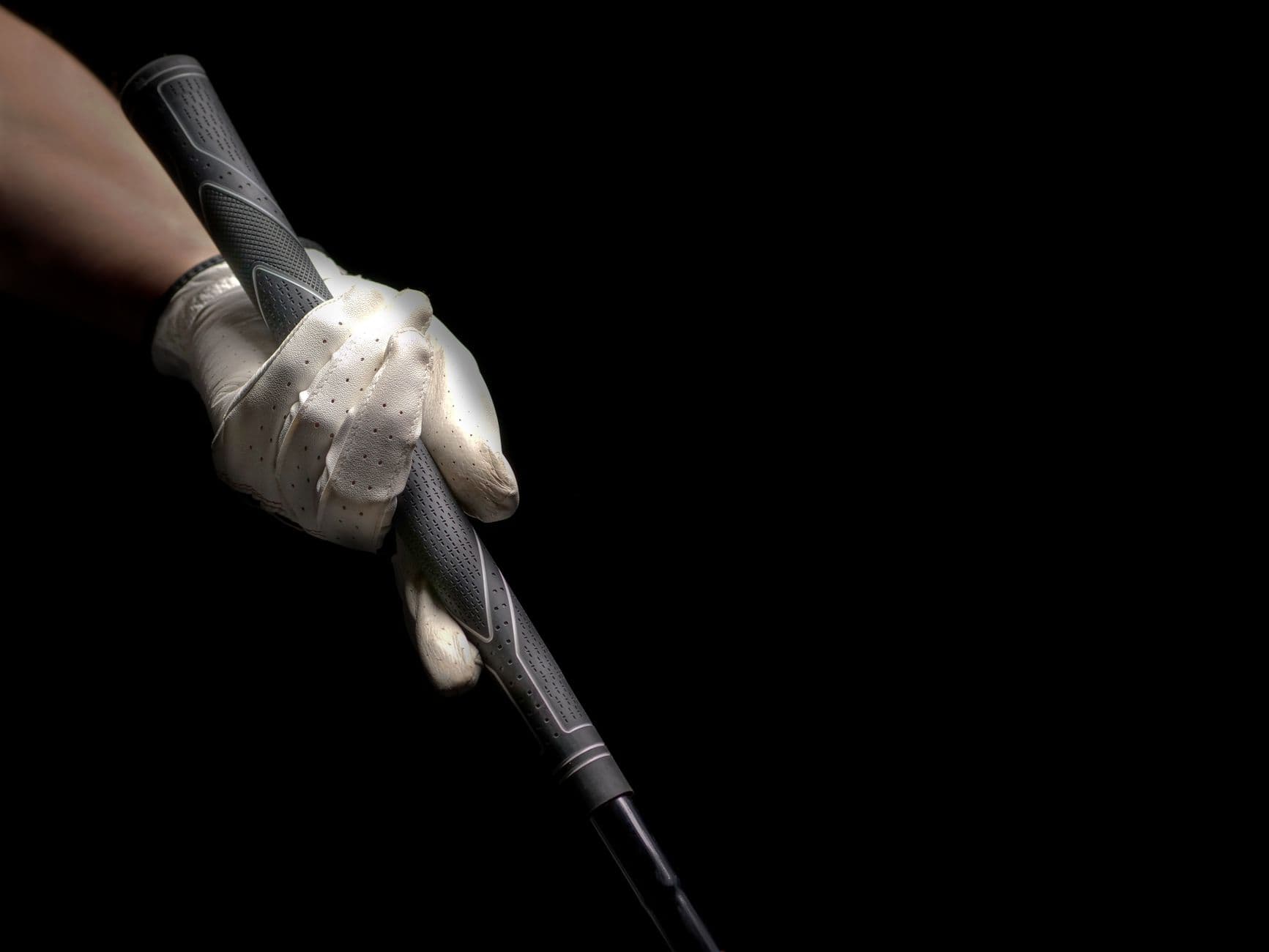
The 40-Round Rule: When To Replace Golf Grips
Worn grips quietly cost golfers clubhead speed and control long before they look damaged. Here's the science behind the 40-round replacement guideline and how to know your true number.

Counterbalanced Shafts: When Extra Butt Weight Wins
Counterbalancing shifts mass toward the grip end to quiet the transition and stabilize tempo. Here's when it helps—and when it costs you speed.

The Right Shaft for a 90 MPH Swing Speed
Ninety mph sits in golf's most contested flex zone. Here's how tempo, transition load, and shaft weight—not just clubhead speed—determine your ideal fit.
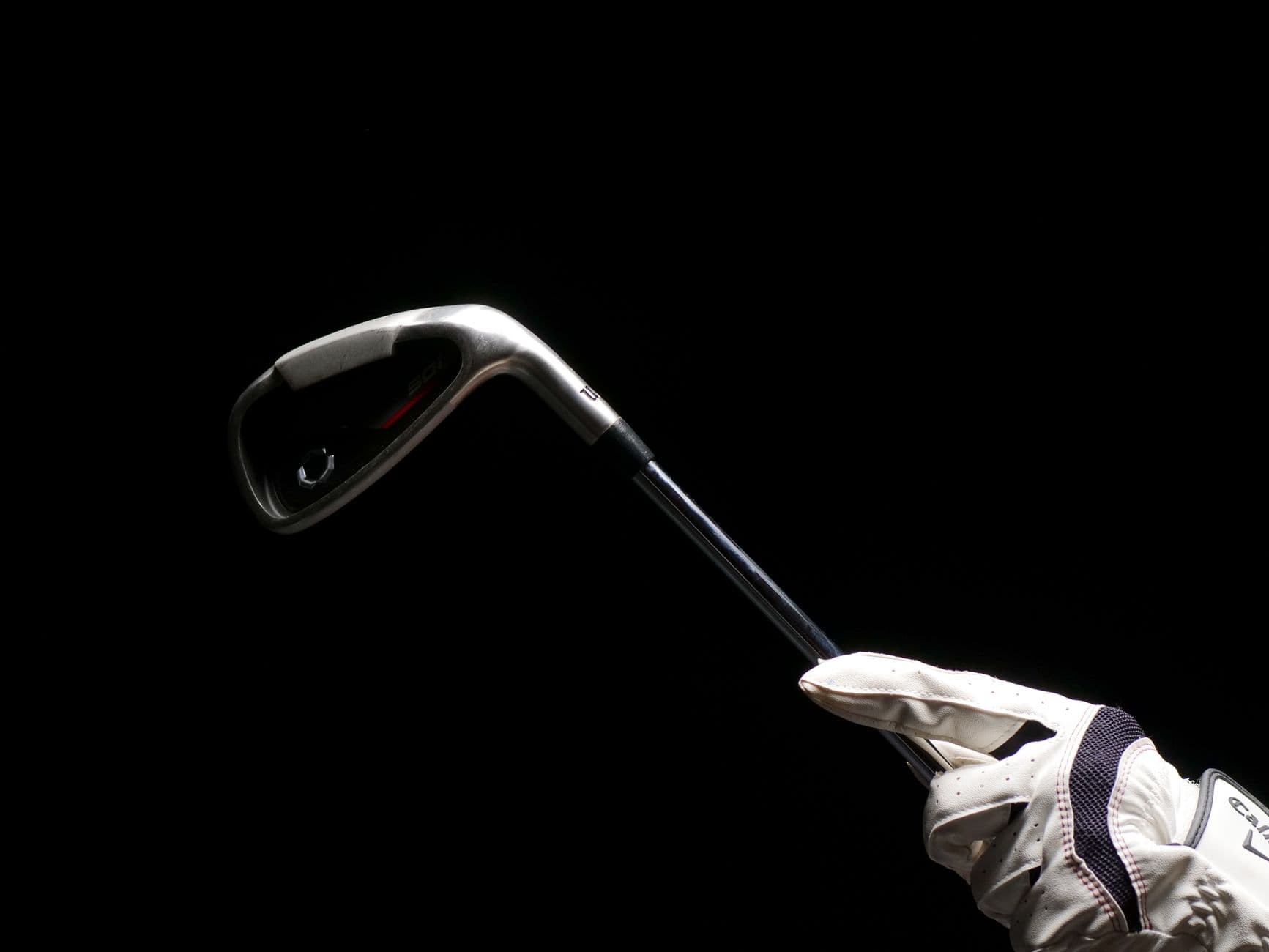
Butt Diameter & Grip Fit: The Spec Nobody Checks
Butt diameter quietly dictates grip fit, hand pressure, and clubhead feel — yet almost no golfer checks it. Here's why this overlooked spec deserves attention.

Fit for Consistency, Not Just Max Distance
Chasing carry numbers on a launch monitor can quietly wreck your dispersion. Here's why elite fitters now prioritize repeatability over peak yardage.

Shaft Torque Explained: What It Means for Dispersion
Torque is the most misread number on a shaft label. Here's how it actually influences clubface rotation, timing, and where your ball ends up.

Why Golf Shafts Are Made in Japan: Inside Takamatsu
Takamatsu has quietly become the epicenter of premium shaft manufacturing. Here's why the region's craftsmanship and materials science matter to your game.

Shaft Frequency & CPM: What Fitters Really Measure
CPM readings look like a simple number, but they reveal how a shaft loads, unloads, and matches a golfer's tempo. Here's what fitters actually listen for.
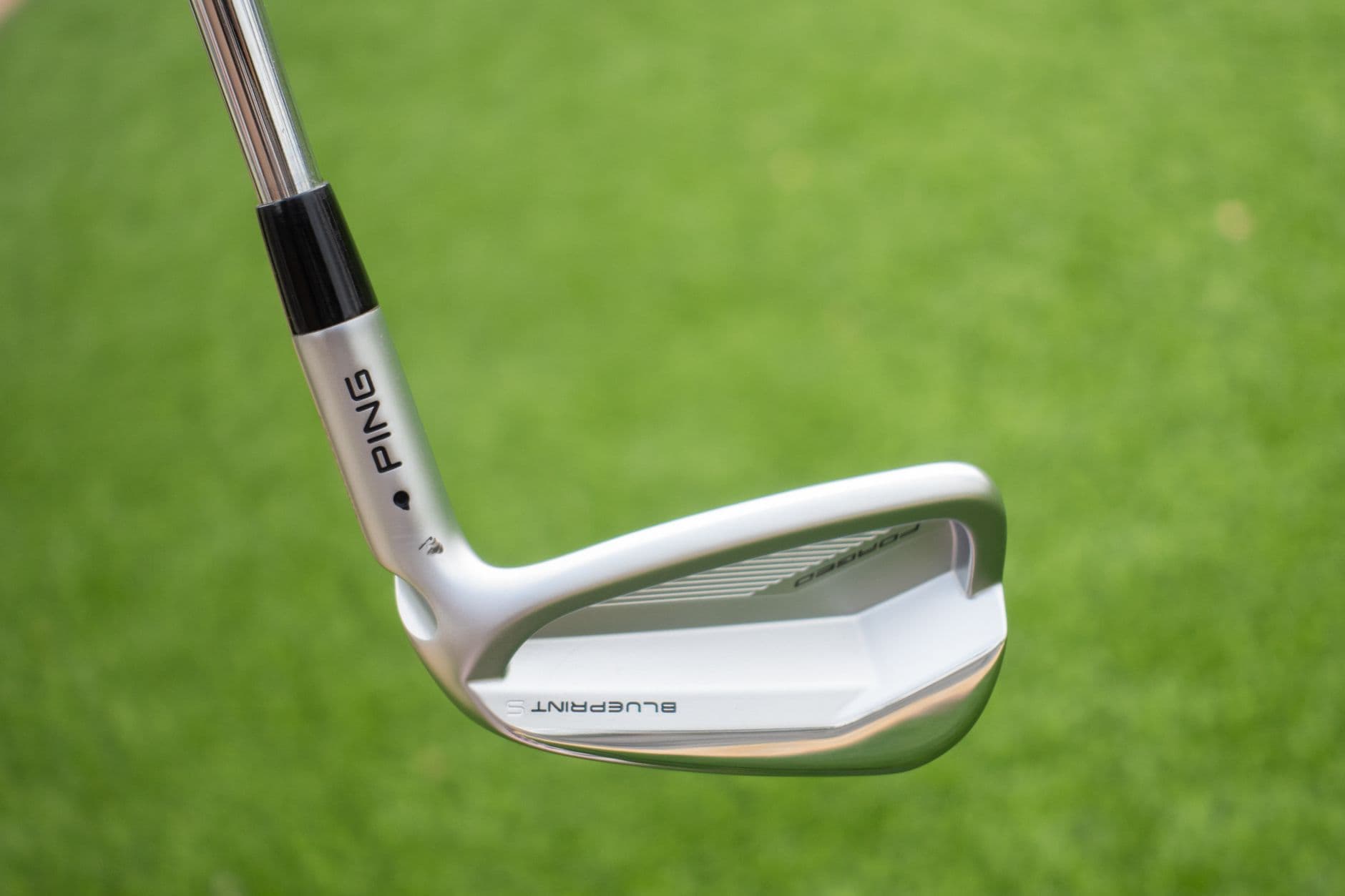
USGA & R&A Shaft Rules: What Conformance Really Means
There's no 'conforming shaft list' like there is for balls or drivers. Here's what the Equipment Rules actually require of a golf shaft — and why that matters for fitting.

How a Golf Shaft Is Actually Built: From Sheet to Swing
A look inside the manufacturing process behind premium golf shafts—prepreg layup, mandrel rolling, autoclave curing, and precision sanding.

Dispersion Patterns: The Tell-Tale Sign of Shaft Mismatch
Your shot pattern on the range isn't random. Learn how dispersion shapes reveal whether your shaft's flex, weight, or profile is fighting your swing.

Why Your Fairway Wood Shaft Shouldn't Match Your Driver
Copying your driver shaft into your 3-wood is a common fitting mistake. Here's why swing dynamics, launch needs, and turf interaction demand a different profile.